Why You Actually Need Infrared Tech in Your Commercial Oven
If you’ve ever run a busy kitchen, you know the frustration of “thermal inertia.” It’s a fancy way of saying your oven is too slow. You slide a cold pizza in, the temperature drops, and then you’re just standing there waiting for the oven to catch up. It kills your rhythm. That’s why we use 1500W short-wave infrared tubes. They basically cut out the waiting game.
How it actually works
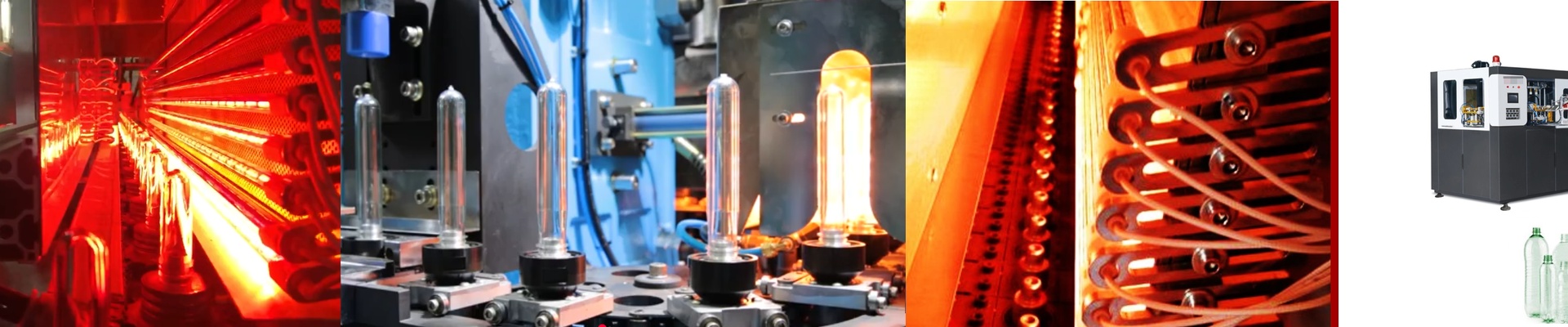
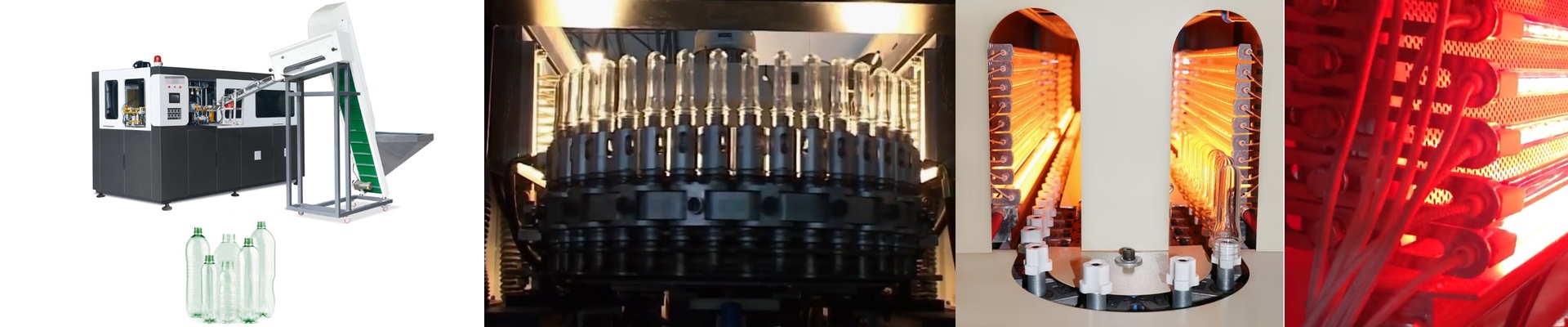
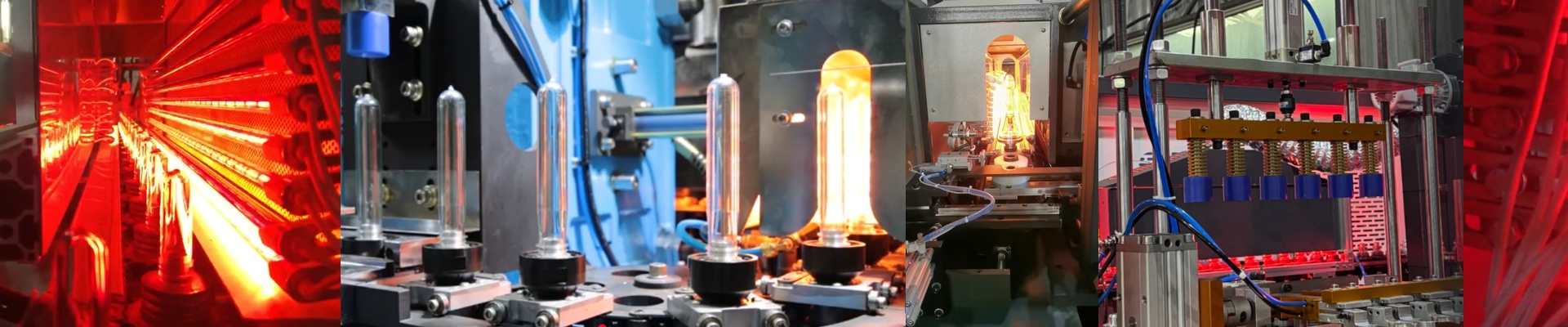
Most ovens try to heat the air first, and then the air heats the food. It’s slow. Infrared is different. It sends energy straight to the surface of the food. Because these quartz tubes hit their peak temperature in seconds, you can flick them on and off rapidly. The moment you close that oven door, the heat is already back. It keeps your production moving in a steady beat instead of a series of awkward pauses.
The nitty-gritty on the build
We use high-purity quartz glass and fill them with halogen gas. Why? Because it stops the tungsten filament from evaporating. This means the lamps last a lot longer, even if you’re cycling them on and off all day long. One heads-up: 1500W is a lot of power packed into a small space.**Check your wiring.**Make sure your sockets can handle the draw, or you risk melting your housing. If you’re swapping these into an old rig, double-check your connectors. A loose fit is a recipe for arcing and a dead lamp.
A few things to watch out for
Nothing is perfect. Since this heat is so aggressive, you have to be careful with placement. If the tubes are too close to the food, you’ll end up with charred cheese and a raw crust. You’ll need to spend a little time calibrating the distance between the tube and the stone to get it just right. Also, these things get incredibly hot. Make sure your oven has plenty of ventilation, or you’ll fry your control boards before you fry your first batch of wings.