How to get your pizza done in 90 seconds (without burning it)
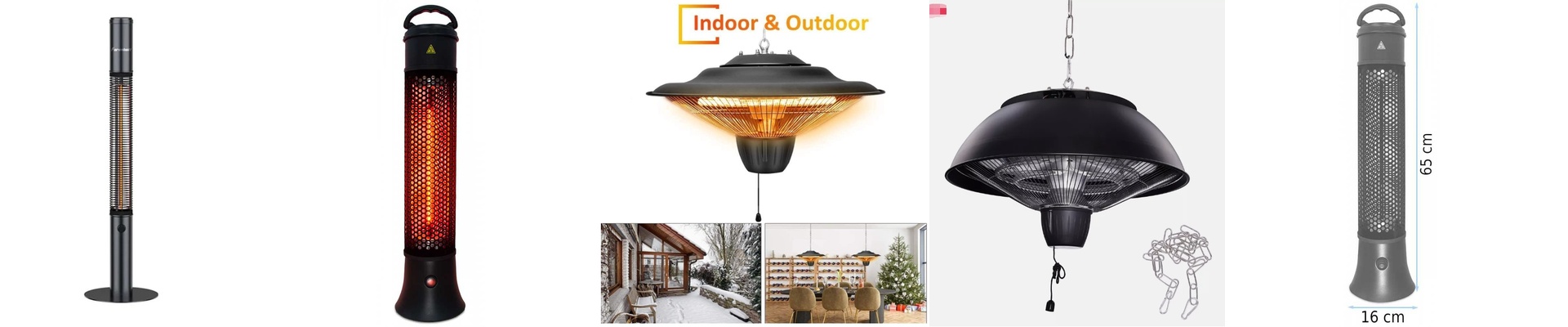
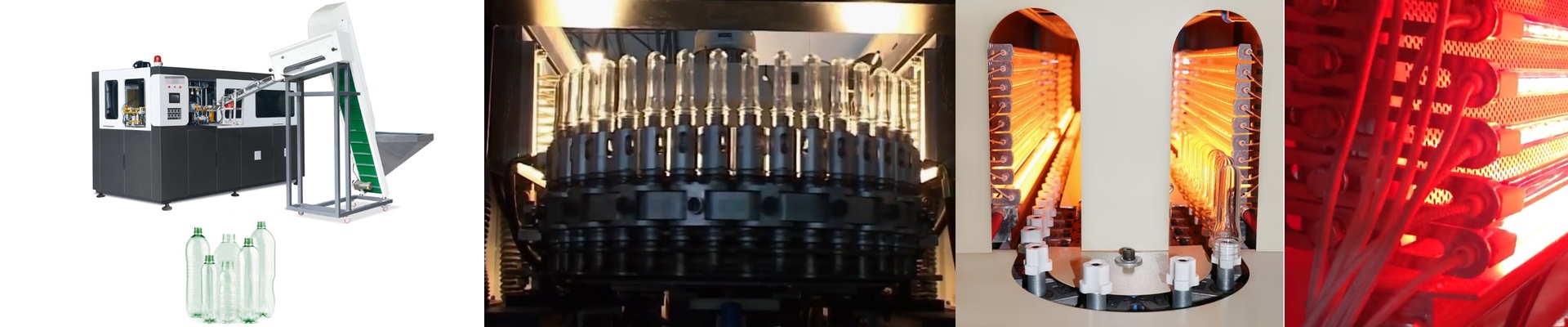
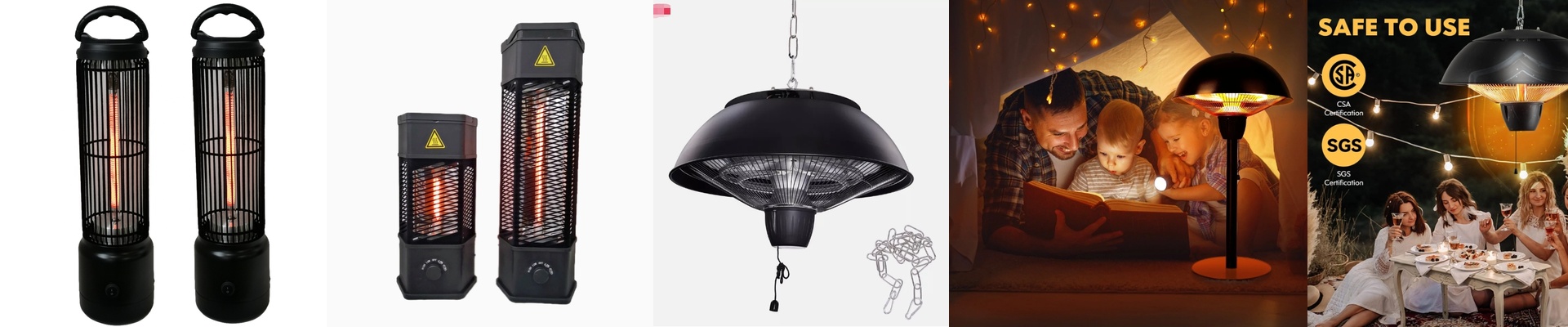
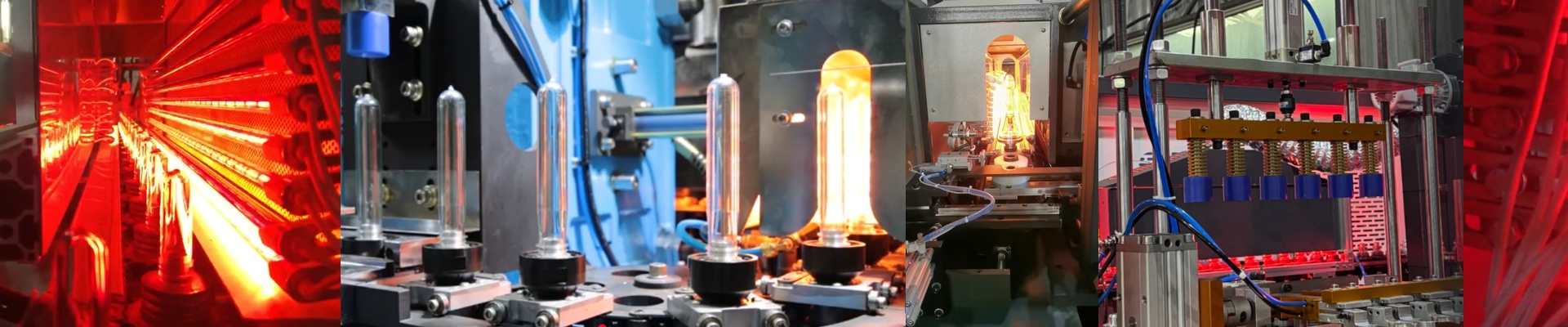
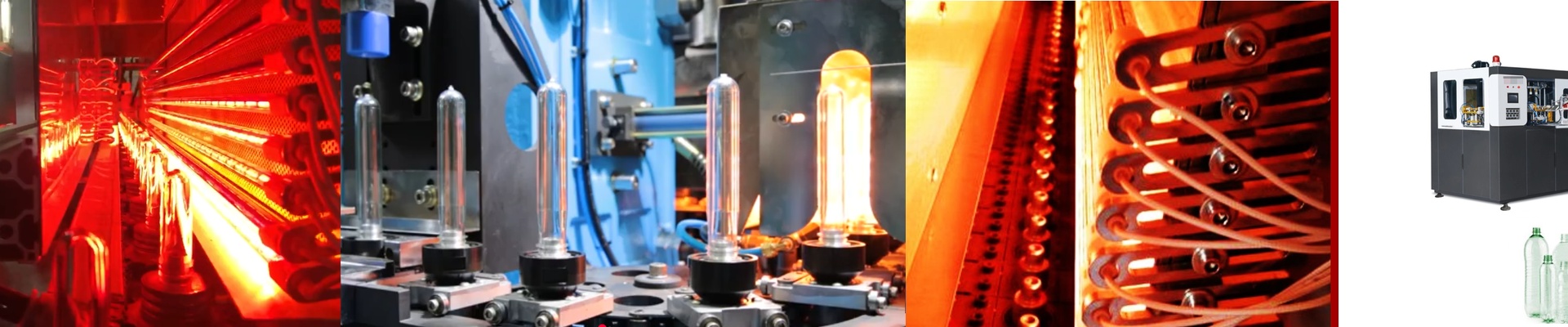
If you want to drop your bake time from five minutes down to 90 seconds, you can’t just crank the dial to max and hope for the best. If you do that, you’ll end up with a blackened crust and a frozen center. The trick is using the right kind of energy—something that actually sinks into the dough and toppings instead of just scorching the surface. That’s why we use halogen quartz tubes in our rotary ovens. The secret is in the waves Most ovens just heat up the air. But here’s the thing: air is terrible at moving heat. It’s slow. Halogen infrared lamps are different. They shoot out shortwave radiation that jumps straight from the lamp to the food. It basically ignores the air entirely. We pack these tubes with high wattage so the heat hits the pizza the second it enters the oven. Since the pizza is rotating, it moves through that heat field evenly. No cold spots. No “half-baked” slices. Just a consistent crust every time. Why quartz? We use high-purity quartz glass for the tubes because it can take a beating. Standard glass would crack under this kind of thermal shock. Inside the tube, there’s a halogen cycle that keeps the tungsten filament from wearing out too fast. This means the lamps last longer, even when you’re pushing them to the limit. Plus, they hit operating temperature in seconds. You aren’t standing around waiting for the oven to warm up. The catch Now, this setup lets you move way more pizzas per hour and takes up less space in your kitchen. But it’s aggressive. Because the heat is so intense, you have to be precise. If your conveyor speed is off by a hair or a sensor lags, you’ll burn your toppings before the cheese even melts. You also need to make sure your electrical panels can handle the power draw—these arrays pull a lot of current. It’s a bit of a trade-off. You get incredible speed, but you have to be a lot more careful with your timing.