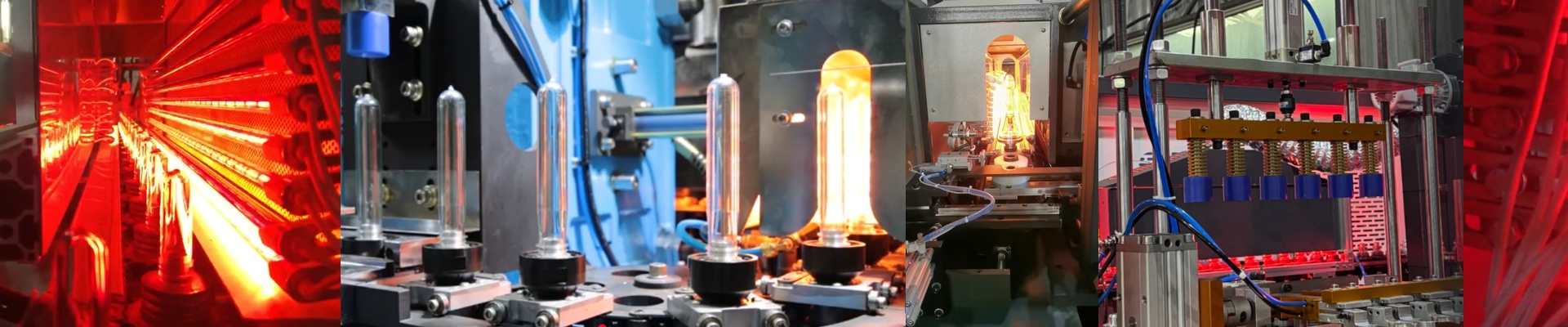
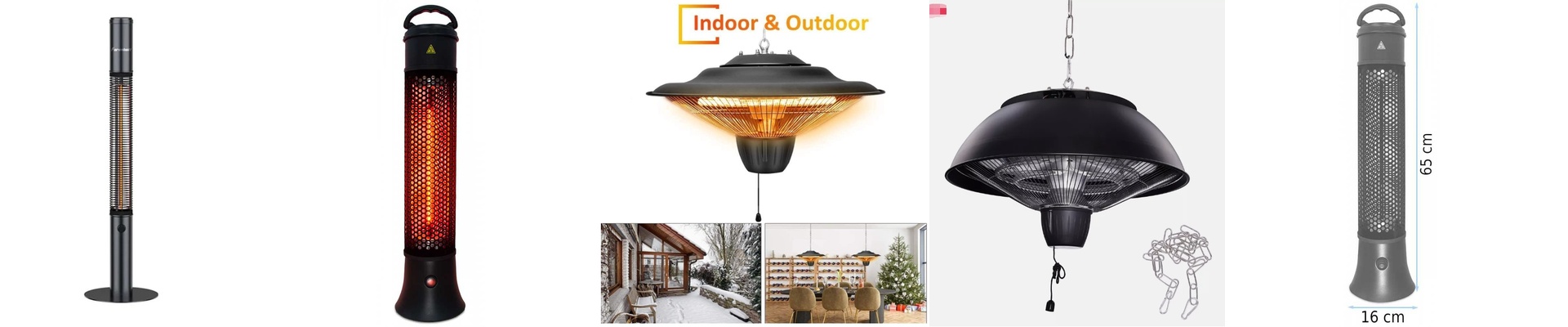
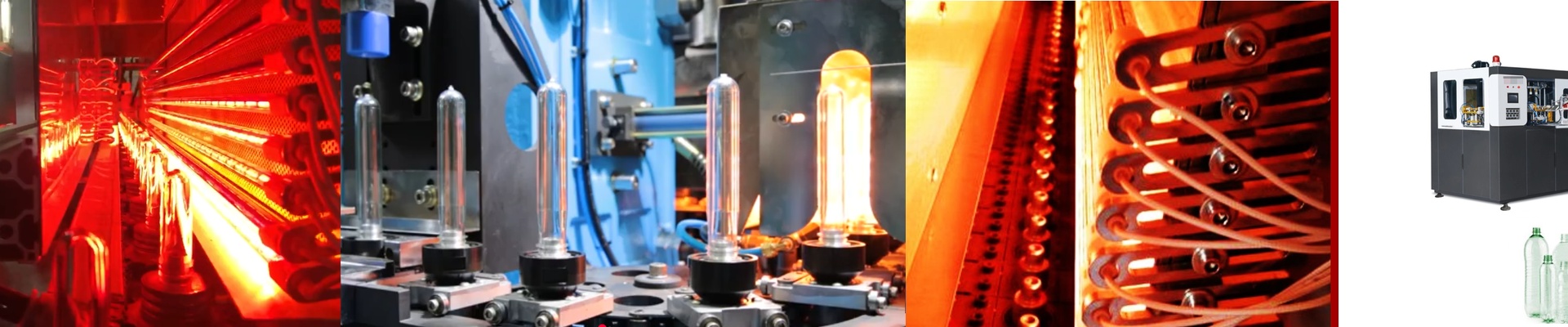
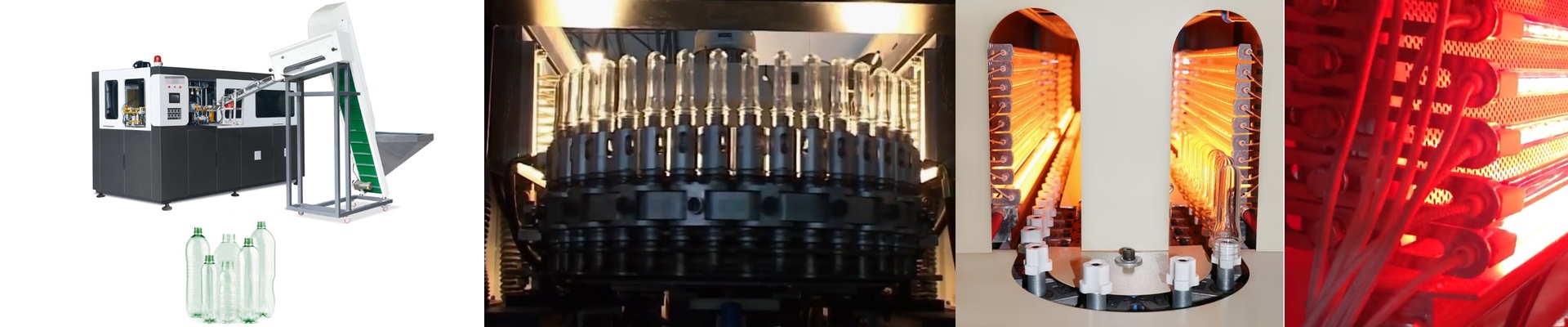
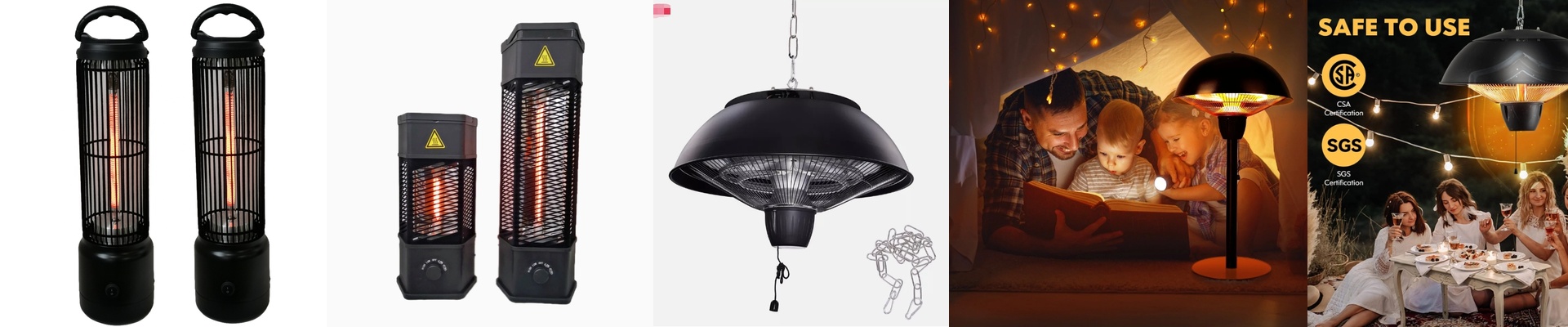
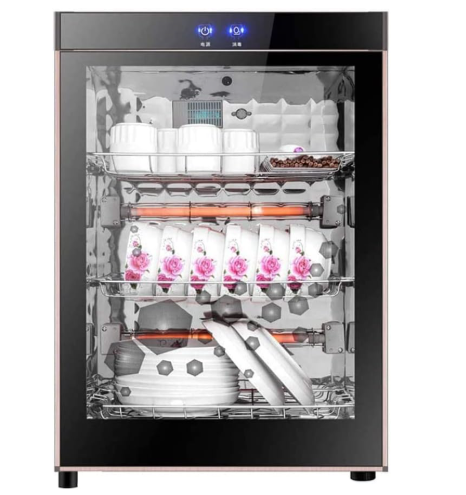
When the ticket strip hits in the middle of service, your deck or rotary oven can’t take five minutes to climb back to temp. If it lags, bake times stretch, dough hydration drifts past the sweet spot, and the line gets ugly fast. Quartz tube heating elements fix that by throwing rapid radiant heat exactly when you need it, so the oven responds in the moment, not later. What’s actually happening under the hood Quartz tubes deliver short-wave infrared that punches into the crust fast, while the oven thermostat reads the baking chamber more tightly and holds a steady temperature curve. That means you hit set temp almost immediately, then you hold there bake after bake. In practice, heat recovery between pizzas is quicker, and crust color is more repeatable because the stone or hearth stays on the same curve, shot after shot. Why this matters on a busy station Speed only matters if the quality stays consistent. Quartz heat shortens bake cycles without scorching, so you can turn tables faster and still keep the center tender and the rim blistered the way it should be. The control is tighter, so you get fewer swings that cause uneven doneness. And when the oven responds quickly, you spend less time babysitting and more time plating. You also save energy, because the element isn’t idling as long—it delivers heat on demand. Here’s what you need to keep straight Quartz tubes are high-output and run hot, so clearance matters and you need to keep the baking chamber clean to avoid localized hot spots. Installation depends on your oven model and voltage, and the tubes have to be matched to the control system so cycling stays smooth. Plan on routine inspections and make sure replacement is easy—keep spares on hand, and you’ll keep service moving without a long pause.