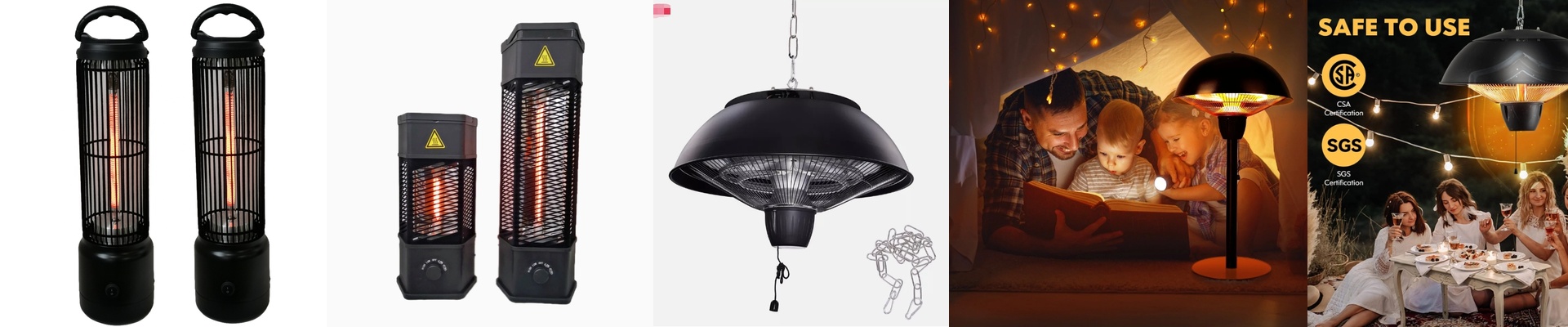
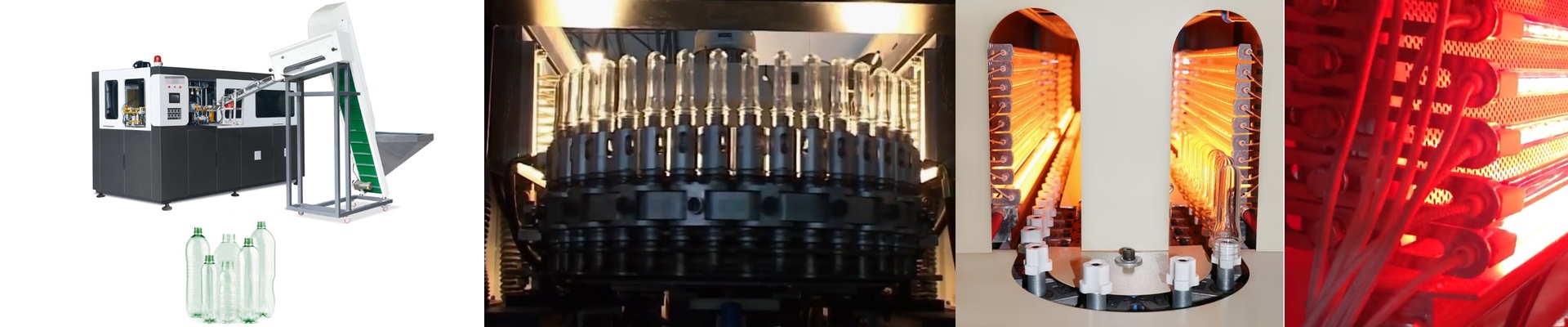
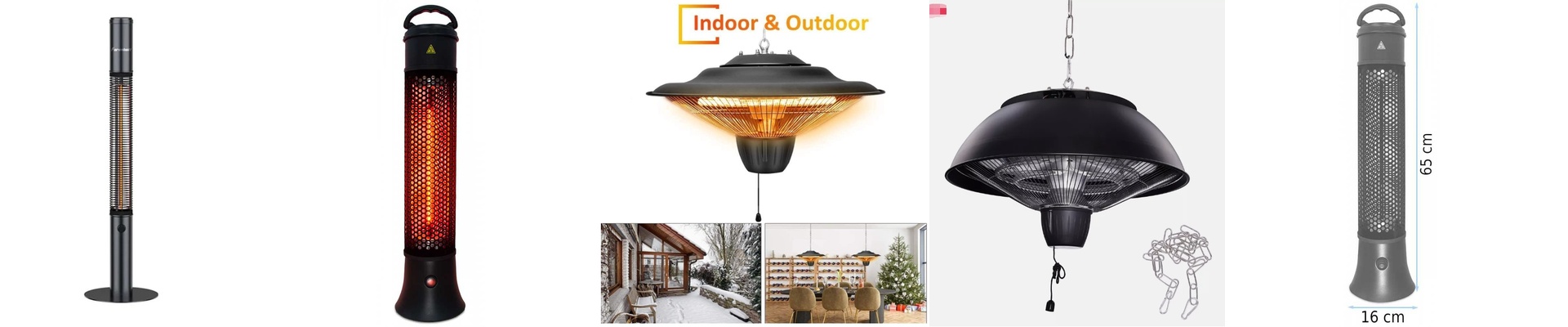
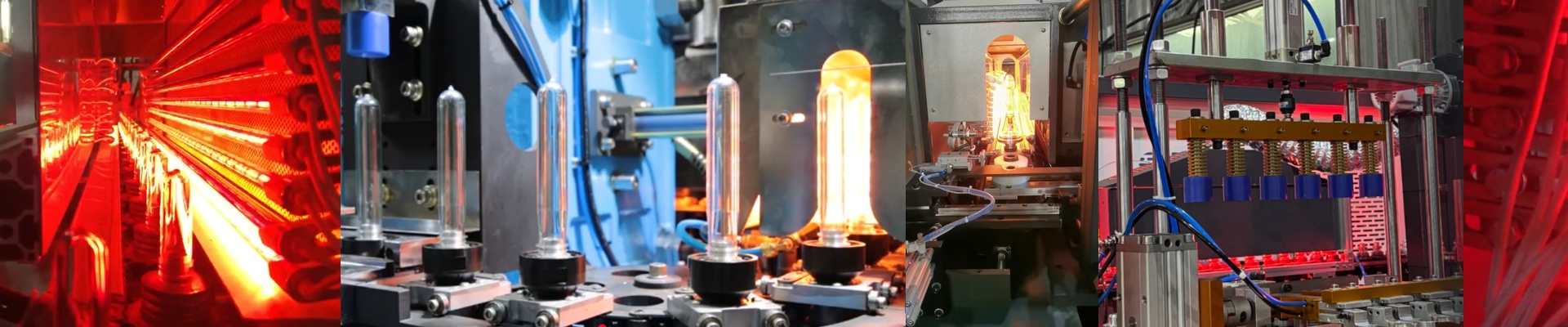
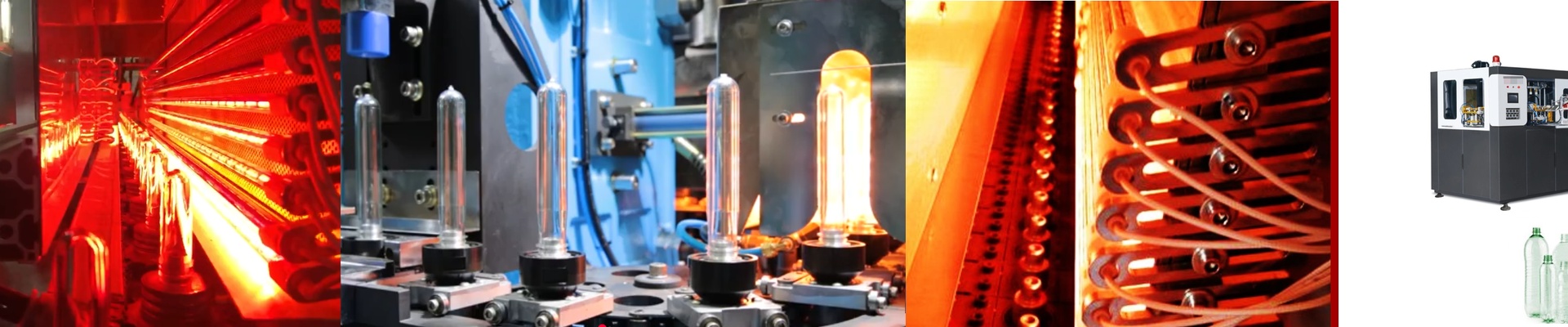
When the lunch rush hits, a deck oven that can’t keep up turns service into a scramble. Stone hearths that lag, top heat that fades, and bake times that drift leave you chasing control. That’s where the short wave heating tube for deck ovens earns its keep. What’s actually going on, technically Short wave energy drives heat straight into the baking chamber with minimal warm-up lag. Quartz envelopes house the element, so it can handle thermal shock and the constant high ambient heat of a deck oven. Typical ratings are 2–3 kW per tube, in 220–240 V configurations, sized to fit standard deck oven cavities and matched to the oven’s thermostat response. The payoff is rapid heat recovery after the door opens, stable temperatures across the stone, and repeatable performance, bake after bake. Here’s why it fits the way a deck oven has to work. In a busy bakery or pizzeria, the deck oven lives on fast turnover. Short wave tubes bring the stone back to temp quickly, so the next pizza or loaf hits a stable surface. You get even browning across the whole deck, a crust that sets fast without scorching, and an interior that stays tender. The result is the look you’re after—gold, not pale—and the texture you need: crisp outside, soft inside. Faster recovery also shortens bake windows, which can trim energy use per batch and keep the line moving. Installation and real-world details Installation is straightforward on compatible deck ovens, but clearance around the tube and proper reflector alignment matter for even heat spread. These tubes run hot, so the shielding and oven insulation need to be in place. Match voltage and wattage to the oven’s design, and confirm compatibility with your deck size and control system. Plan for routine cleaning and inspection, and keep spare mounting hardware on hand. It’s the kind of small preparedness that keeps downtime off the board.