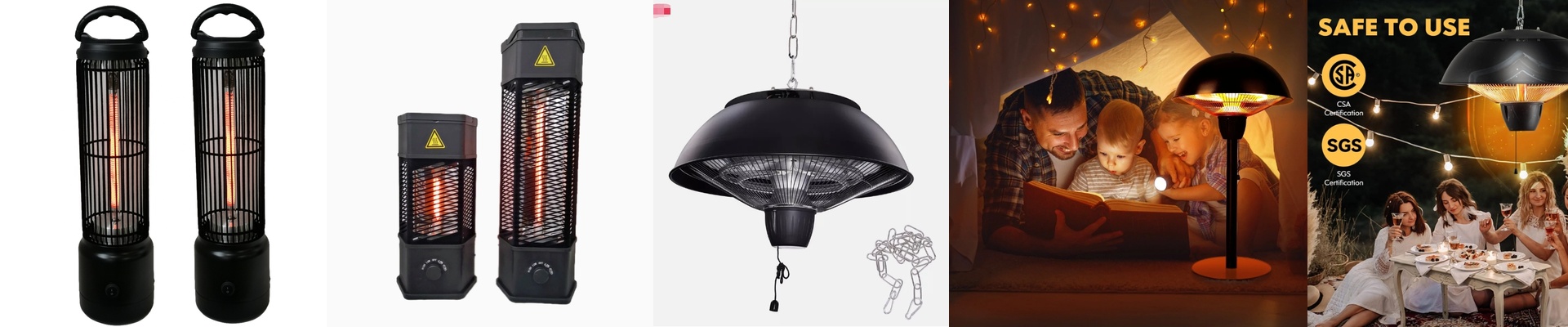
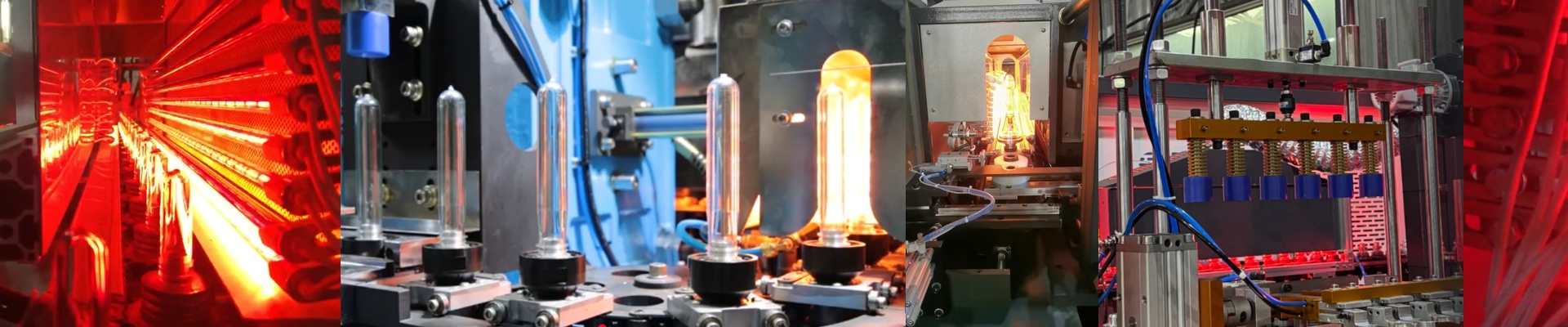
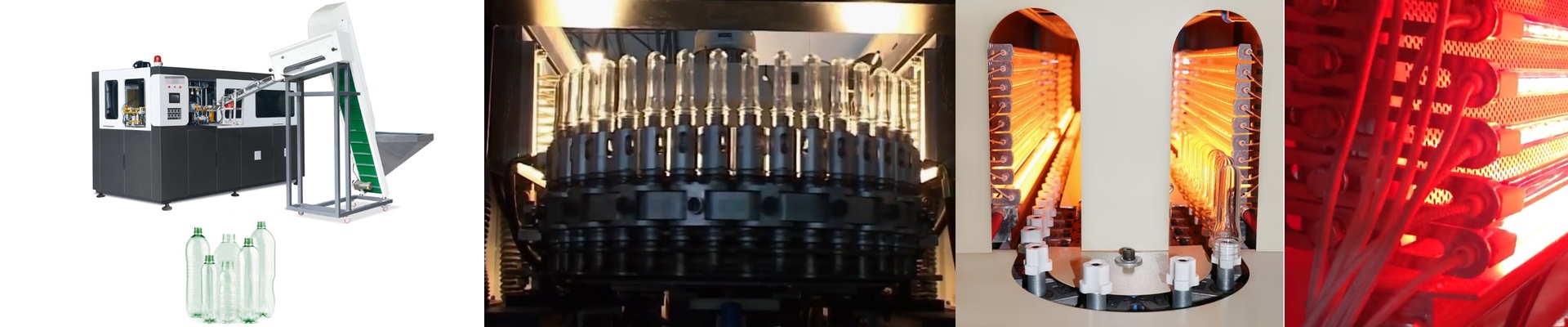
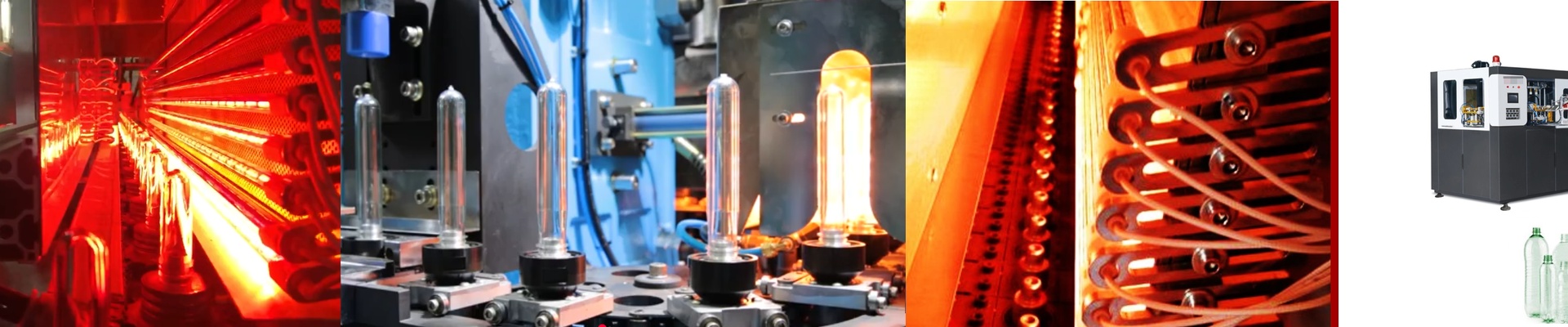
When the dinner rush hits, you can’t afford a cold spot in your deck or rotary oven. If the stone hearth takes too long to recover, you end up with undercooked crusts, cheese that won’t blister, and ticket times that just keep climbing. We built this auxiliary ceramic heater to keep the baking chamber right where you set it, even when the doors are flying open and you’re loading dough nonstop. What matters under the hood It runs on a ceramic heating core with fast response and stable resistance, so it climbs to target temperature quickly and holds steady without swinging all over the place. The unit is designed for 240V commercial power and drops neatly into the oven’s auxiliary port, so you’re adding heat without rewiring the main chamber. The element delivers a steady output that works alongside the primary burners, smoothing the temperature curve across the stone. In practice, that means more consistent caramelization, fewer underbaked centers, and a bake profile you can repeat shift after shift. Why this makes sense in a busy shop In a high-volume pizzeria, recovery is the real test of an oven. Every time you open the door, load multiple pies, or move trays, you pull heat out. This ceramic heater adds targeted heat that brings the stone back up fast, so you keep pace with orders instead of waiting for the oven to catch up. That translates to shorter gaps between bakes, more consistent quality, and less wasted energy from overheating the whole chamber just to compensate. What you need to get right Installation is straightforward, but clearance matters. Keep the heater away from direct contact with the stone, and make sure it’s clear of any moving parts in rotary ovens. Use the proper mounting hardware and a dedicated circuit that meets local electrical codes. Plan for heat shielding around nearby components. Set it up correctly, and the ceramic heater runs quietly and holds steady, delivering dependable heat exactly when you need it most.