Why Carbon Fiber Heating Tubes Actually Work for Kitchen Ovens
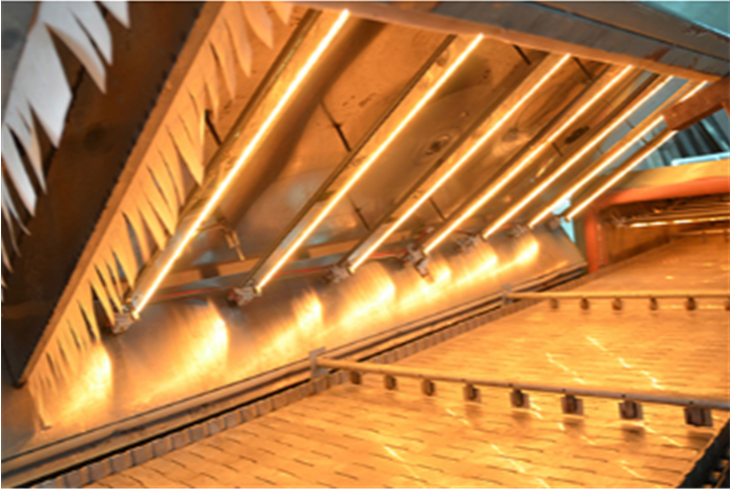
Ever had a piece of meat that looked perfectly charred on the outside, but when you cut into it, the middle was practically raw? It’s frustrating. Most ovens do this because they just heat the air, and that air has to slowly nudge the heat into the food. It takes forever. That’s why we went with carbon fiber. Instead of waiting on the air, these tubes shoot short-wave infrared radiation straight into the food. It doesn’t just sit on the surface; it digs deep into the proteins and fats. You get that gorgeous, crispy sear on the outside, but the heat is already working on the center at the same time. No more dried-out edges and cold cores. The nitty-gritty on the build We wrap the carbon filaments in high-purity quartz. Why? Because these things heat up and cool down fast. Normal glass would just crack under that kind of stress, but quartz handles the shock without breaking a sweat. Plus, carbon fiber can pack a lot more power into a tiny space than those old metal coils you see in cheap heaters. One heads-up, though: watch your voltage. These tubes hit peak temperature almost instantly. If your wiring isn’t ready for that initial surge, or if your oven frame isn’t built for a sudden spike in heat, you might actually warp the chassis. It’s a lot of power, so make sure your setup can take it. A few things to keep in mind We make these with standard connectors, so you can usually just pop them into a commercial oven and go. But here’s the catch: they’re a bit fragile. While the heating is top-tier, the quartz tube is still glass. If your kitchen crew is the type to toss pans around or get a bit rough with the gear, you’ll want to put a guard over them. One bad bump and they’ll snap. Also, don’t crowd the food too close to the tube. Give it some breathing room, or you’ll end up with localized scorch marks. Just a little bit of space is all you need.