Why the Best Pizza Bakers Use IR Lamps
Most ovens just heat up the air. It’s a slow process. But if you want a real professional result, you need to stop waiting on the air and start hitting the dough directly. That’s why we use 800W infrared (IR) lamps. Instead of waiting for the heat to drift around the oven, shortwave IR sends energy straight into the pizza. It’s a completely different way of cooking.
Why 800W?
We spent a lot of time landing on 800W because it’s the “sweet spot.” You need enough punch to get that “oven spring”—you know, that beautiful, rapid rise in the dough—but you can’t go overboard. If the wattage is too high, you’ll torch the top of your pizza before the middle is even warm. Too low, and you’ll never get those gorgeous charred “leopard spots” that make a pizza look authentic. Plus, it helps with recovery. When you slide in a cold stone, the oven doesn’t just crash; it bounces back almost instantly.
The Magic of Quartz
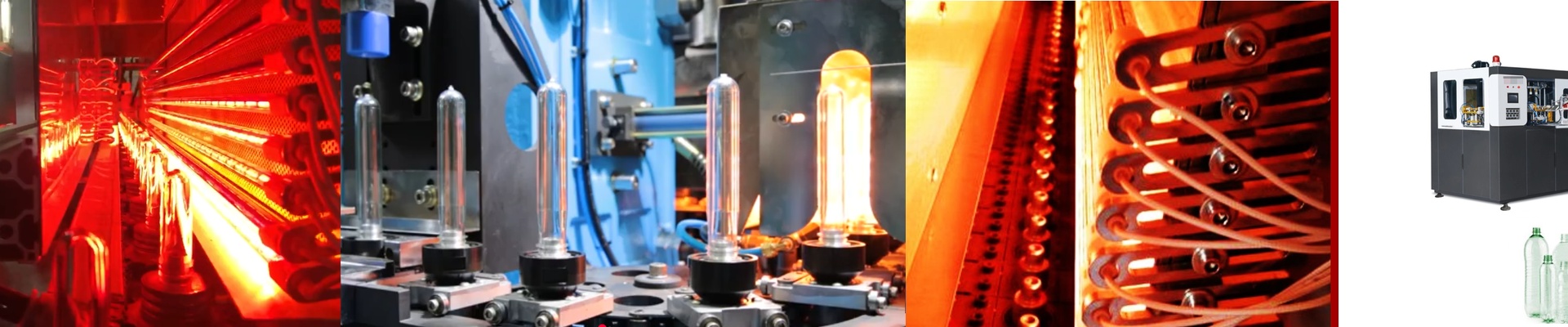
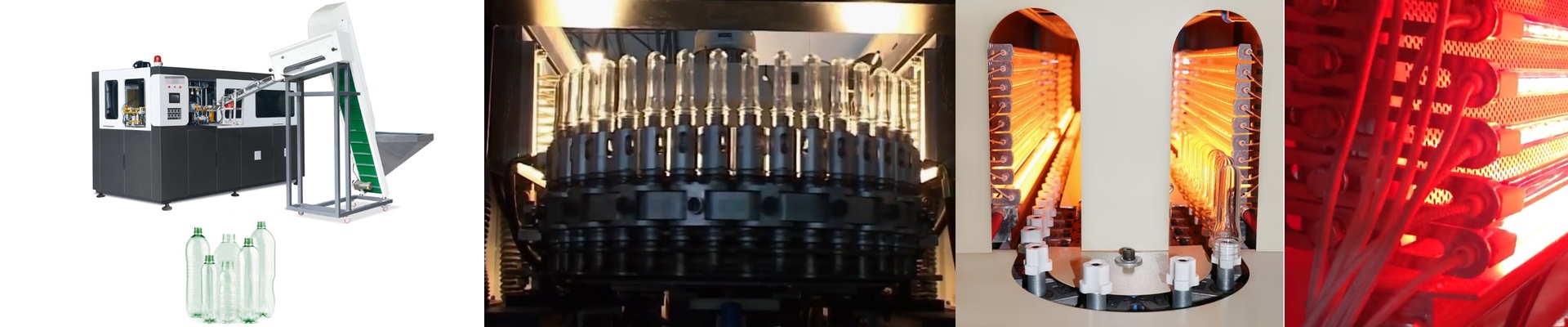
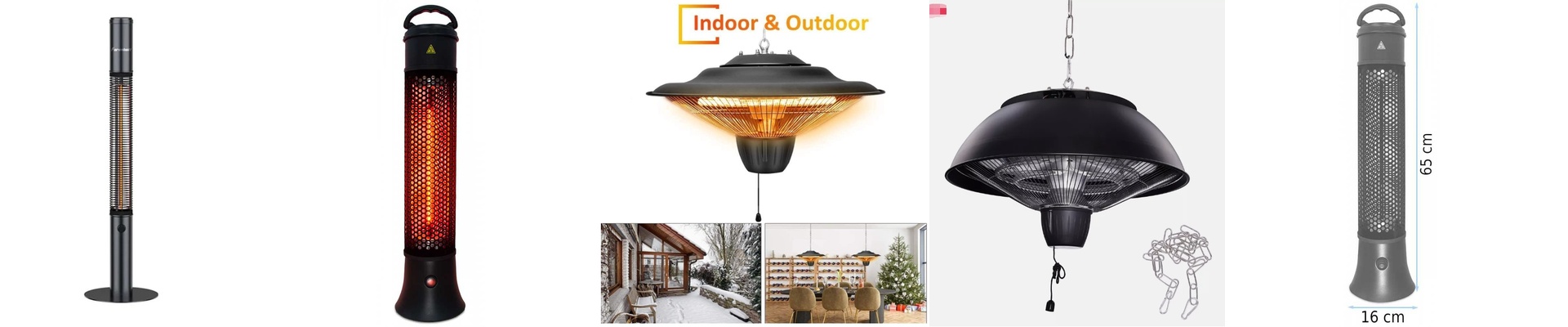
These lamps are made from high-purity quartz glass. We use quartz because it doesn’t freak out when the temperature swings wildly from cold to hot. Inside, there’s a tungsten filament that gets incredibly hot, sending out radiation that sinks deep into the dough. The best part? There’s no warm-up lag. You flip a switch, and it’s hot. Right now.
A Few Things to Watch Out For
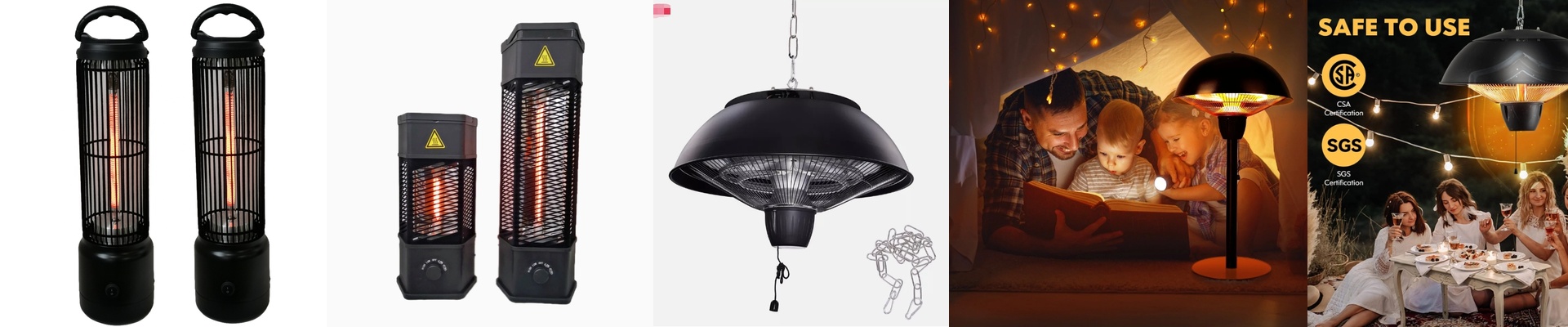
Getting these into a commercial deck oven takes a bit of planning. We put the elements at the top to mimic the heat you’d get from a wood-fired stone dome. But here is the catch: this heat is intense. If the lamps are too close, your cheese will burn in seconds. You’ll need a fast control system (a PID loop) to keep that 800W output in check, otherwise, you’ll overshoot your temp and ruin a batch. And a heads-up for your crew: quartz is fragile. One bad bump with a heavy metal scraper or a slammed oven door, and the lamp will snap.**Put some guards on them.**Trust me, it’s much cheaper to buy a guard than to replace a lamp every time someone gets clumsy during a dinner rush.