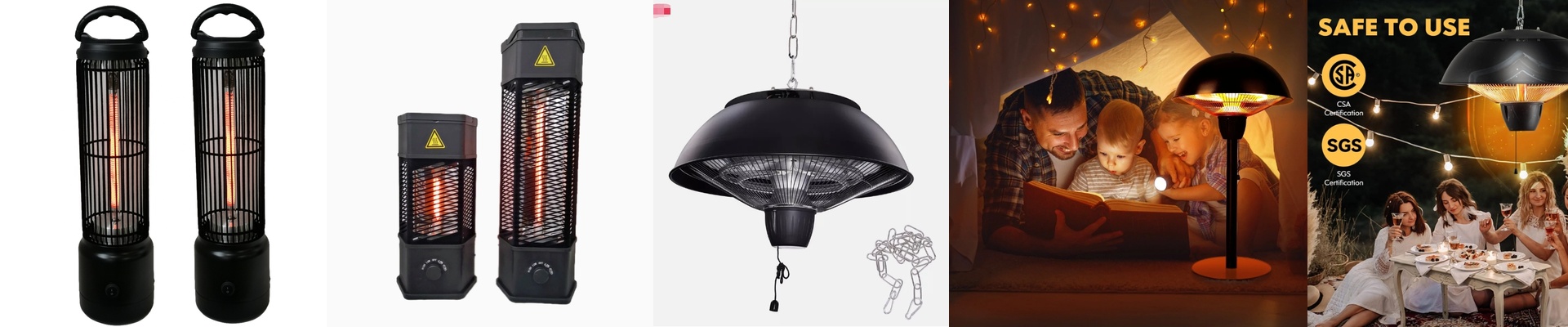
Introduction
We built these waterproof infrared table heaters for one reason only: safety in wet spaces. If you’re wiring a heater for a bathroom, you can’t cut corners on the heating element. So we went with an explosion-proof quartz tube infrared lamp. This isn’t just a fancy add-on. It’s the physical shield that keeps everything steady when moisture, steam, and sudden temperature swings show up.
The Nitty-Gritty: Power, Voltage, and Size
Infrared heating is about packing power into a small space—and keeping it under control. We tune the lamp to give predictable output, so you can match it to the housing and the heat load you need. The tube runs on standard mains voltage, usually 220–240V, with wattage options that scale up or down to fit the heat footprint. We choose the length to slip neatly into compact tabletop heaters, while keeping the resistance just right for the temperature you’re aiming for. This is direct-radiant heat. It warms you directly, without wasting time heating the air first. That means the lamp has to handle rapid on/off cycles without cracking or wearing out. If you need a specific wattage and length, we match the resistance and filament layout so the lamp drops in cleanly and behaves exactly like a replacement in your existing fixture.
Materials and Build: Quartz That Can Take It, Plus R7s Connectors
We use quartz because it handles extreme temperature swings and lets infrared through with ease. The explosion-proof part comes from a reinforced quartz envelope and internal supports that hold the tube together if pressure spikes inside. That reduces the risk of a sudden rupture if something goes wrong electrically or if it gets bumped. We pair the tube with an R7s connector because it locks in securely with two contacts that carry the current without working loose. The waterproof seal at the base is built for constant humidity and splashes. The quartz coating is designed to keep emissivity steady and protect the filament from chemical wear. One practical note: higher power density means more heat to manage in the fixture. Make sure the housing can vent or shed heat so the electronics stay within safe limits.
Real-World Use: Steady Heat for Bathrooms and Spas
In bathrooms and spas, you need heat fast—and you need it to stay stable when the air is soaked. The explosion-proof quartz tube keeps the heating element intact, even when steam condenses and the temperature cycles constantly. You get quick warm-up, focused radiant heat, and a tough element that can take a beating. For engineers, this setup makes integration easier. The R7s termination speeds up installation, and the waterproof build cuts down on field failures caused by moisture getting in. The lamp runs clean, with no exposed coils, which helps keep resistance stable over time. It’s built for long service under normal use—just match the wattage to the enclosure and your control plan. Push the tube too hard, and you’ll be doing maintenance sooner.
Why This Matters for Bathroom Safety
Bathroom heating is safety-critical. Waterproof infrared heaters with explosion-proof quartz tubes keep the heat source isolated, manage thermal stress, and keep moisture away from live parts. That’s why we see the quartz tube as the last line of defense when you’re dealing with wet conditions. When the environment is damp, the element has to hold steady—no exceptions.