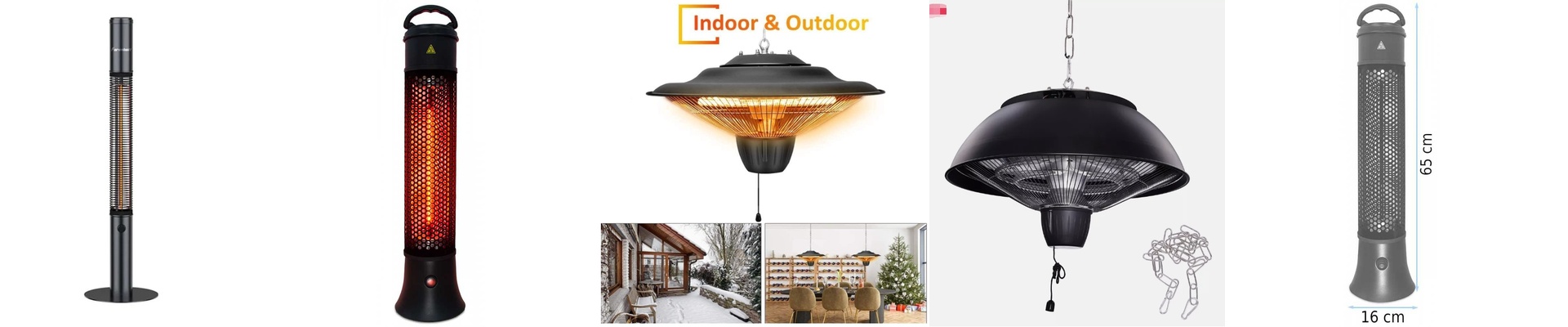
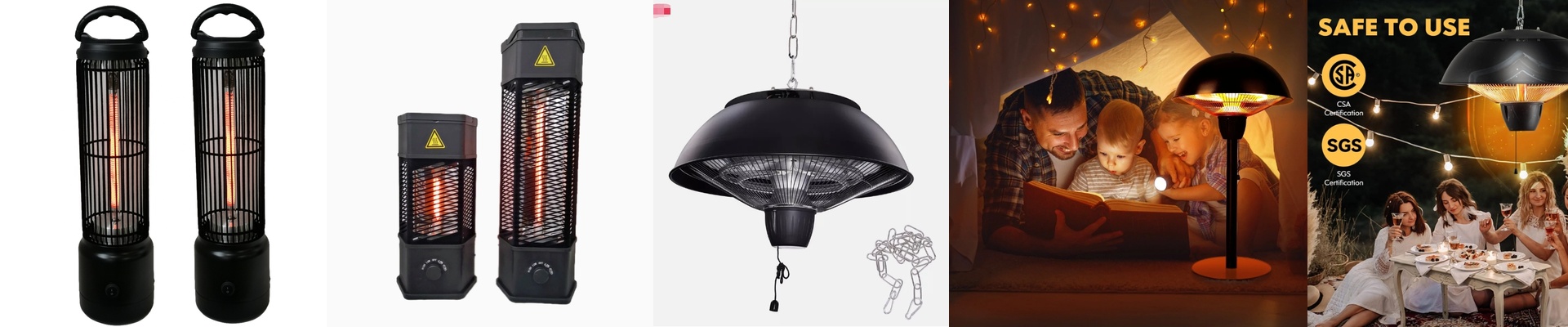




Stop Your Outdoor Heaters From Dying Early
When you’re putting together an outdoor patio, the cold isn’t actually what kills your heaters. It’s the water. Most of those standard heating elements burn out way too fast because of a simple, annoying problem: condensation. A few stray water droplets hit that scorching hot quartz tube, and snap. Thermal shock. The tube cracks, and your heater is now a very expensive piece of scrap metal. We figured out a way around this by building anti-fog and splash-proof seals right into the housing.
Why the glass snaps
Think about how hot those quartz tubes get. Now imagine a splash of rain or a heavy layer of dew hitting that surface. The temperature in that one spot drops instantly. It creates this massive amount of tension across the glass. It can’t handle the stress, so it just gives up. To stop this, we use a sealed chassis. It keeps the electrical terminals and the ends of the tube bone-dry. We also tweaked how air flows around the emitter. This stops that “foggy” buildup that happens when warm air hits a cold surface, which keeps the glass stable and, more importantly, intact.
Dealing with the rain
We spent a lot of time looking at the “leak points.” We used gaskets and reinforced seals so that rain—or even just a blast from a garden hose during cleaning—doesn’t seep into the wiring. If water gets into the internal circuitry, you’re looking at short circuits or corroded connectors. Nobody wants to be the person whose heater trips the breaker the first time it rains. We built these to handle the wet stuff, so you can mount them in semi-exposed areas and actually trust them to work.
The trade-off
Now, there’s a catch. Because we’ve sealed everything up to keep the water out, the unit can’t “breathe” as easily as an open-frame heater. This means the internal housing gets hotter. You just have to be mindful of where you mount it. Make sure your ceiling or mounting surface can handle that heat soak. If you put these too close to something that could catch fire, you’re asking for trouble. Just keep your clearances wide and you’ll be fine.