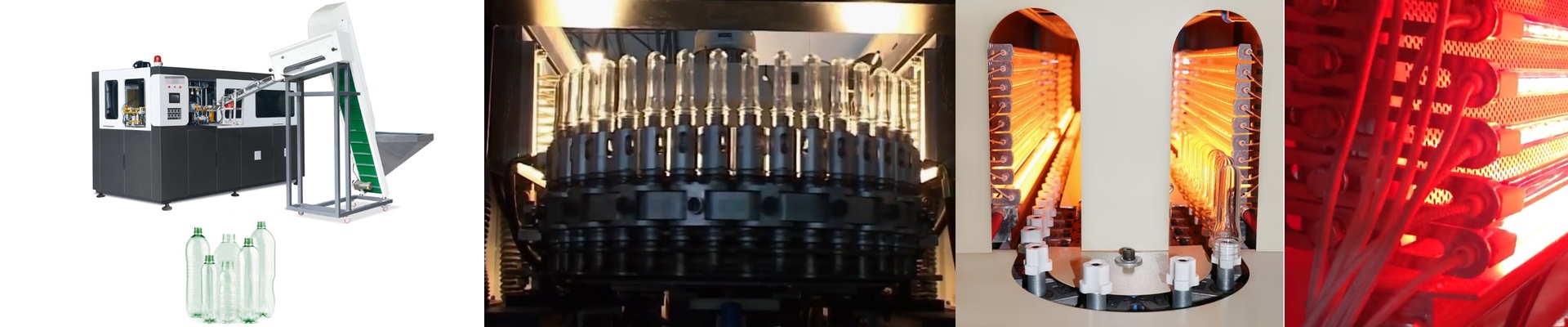
Fixing the Heat Headache in KHS Blow Molding
Ever deal with thin walls or preforms that just burst for no apparent reason? It’s frustrating. Usually, it comes down to one thing: your heat isn’t hitting the bottle evenly. A lot of shops stick with the OEM lamps because they think it’s the only “safe” bet. But honestly? The gap between the original specs and high-end domestic IR lamps has pretty much disappeared. You don’t have to overpay to get the job done right.
The Secret is in the Heat Field
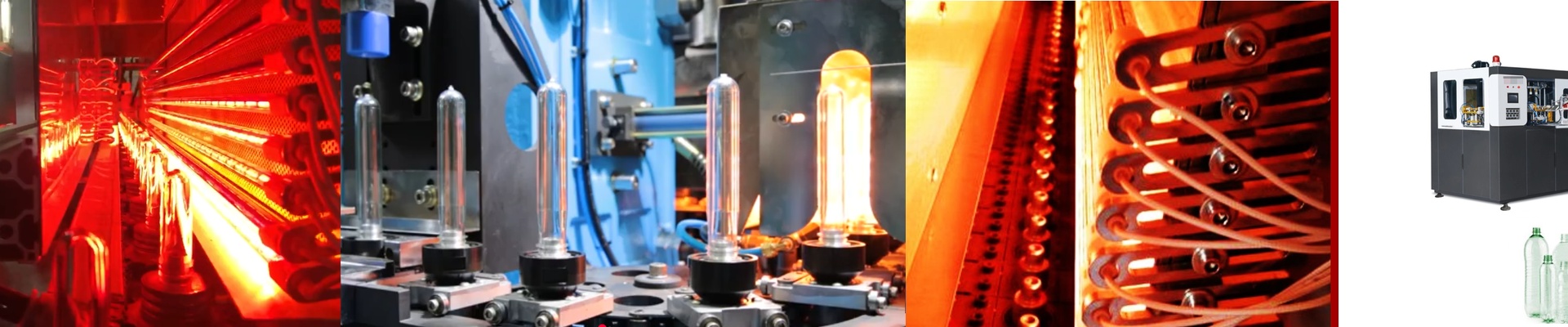
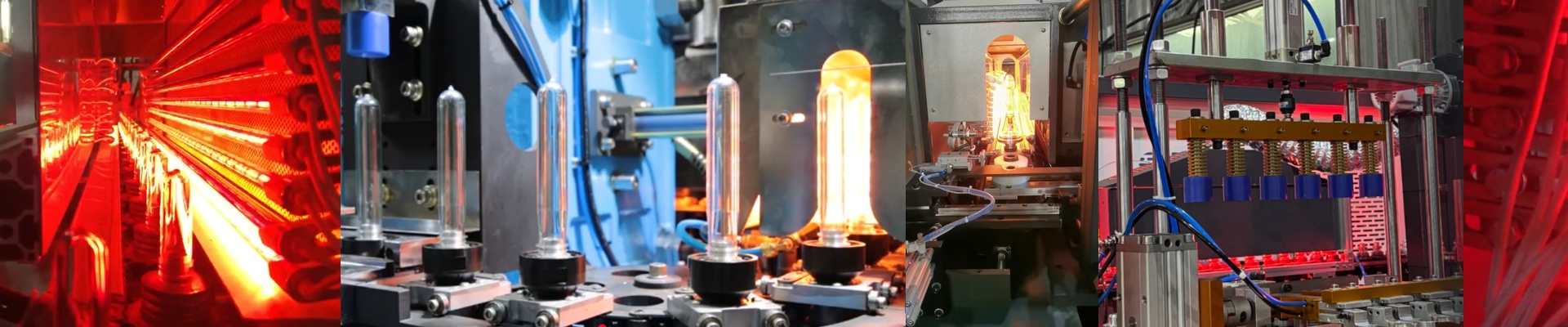
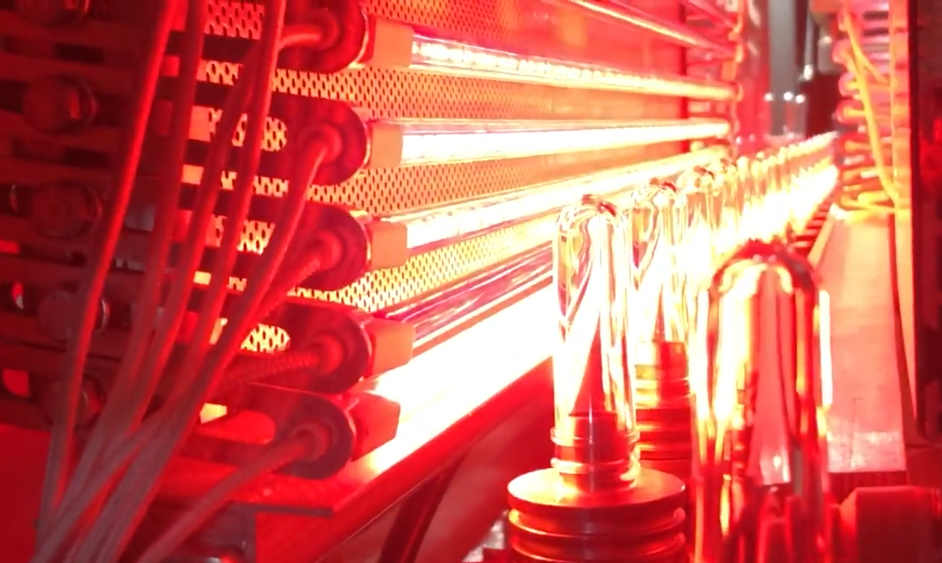
If your filament is slightly off or your quartz tube is low-grade, you’re going to have problems. We make sure our lamps fit KHS footprints exactly. No guessing games. Here’s the thing: when you’re running high wattage, that heat needs to be steady from one end of the preform to the other. If you’ve got “cold spots” at the ends, the PET won’t stretch the way it should. That’s how you end up with those annoying pear-shaped bottles. We use a specific winding process to keep the wattage stable per centimeter. It just works.
Better Glass, Less Waste
We use high-purity synthetic quartz. Why? Because we want the energy hitting your preform, not getting soaked up by the glass or heating up the lamp housing. And we’ve noticed a recurring nightmare with KHS setups: the connectors. They tend to fail. To fix that, we used reinforced end-caps that can handle the constant heating and cooling without warping. One quick tip: keep an eye on your voltage. Whether you’re on 230V or 400V, you want it clean. Spikes are filament killers.
Getting Them on the Floor
These are drop-in replacements. You won’t need to touch your wiring or tear apart your oven. But a word of caution: if you switch to a higher-output lamp to shave some time off your cycle, your cooling blowers are going to work harder. Make sure your ventilation can actually pull that extra heat away from your electronics. And keep your oven clean. PET dust and debris are the enemy. If you keep things tidy, these lamps can easily cruise past 5,000 hours.