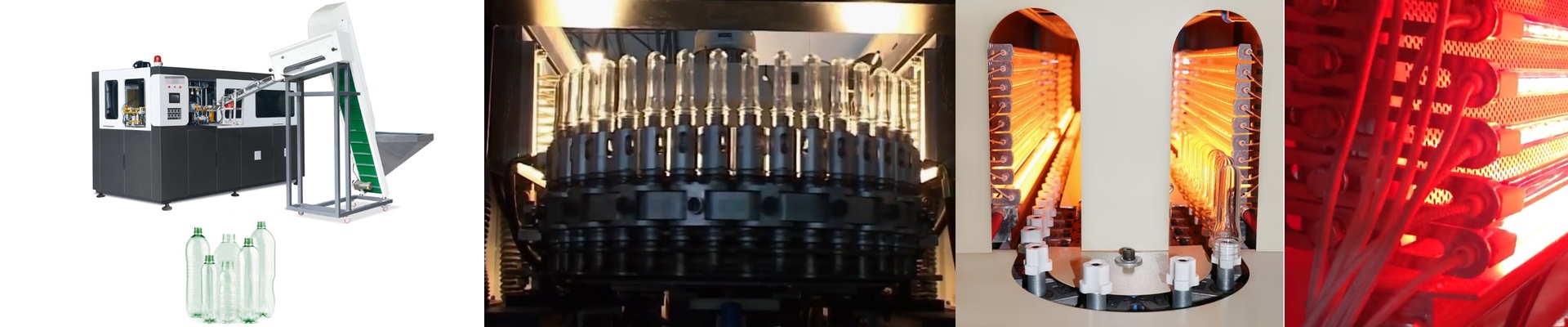
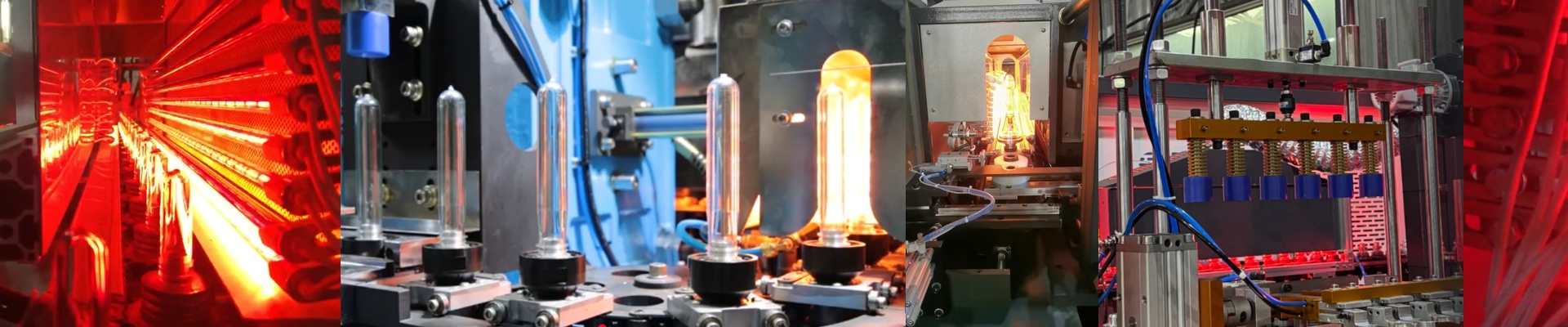
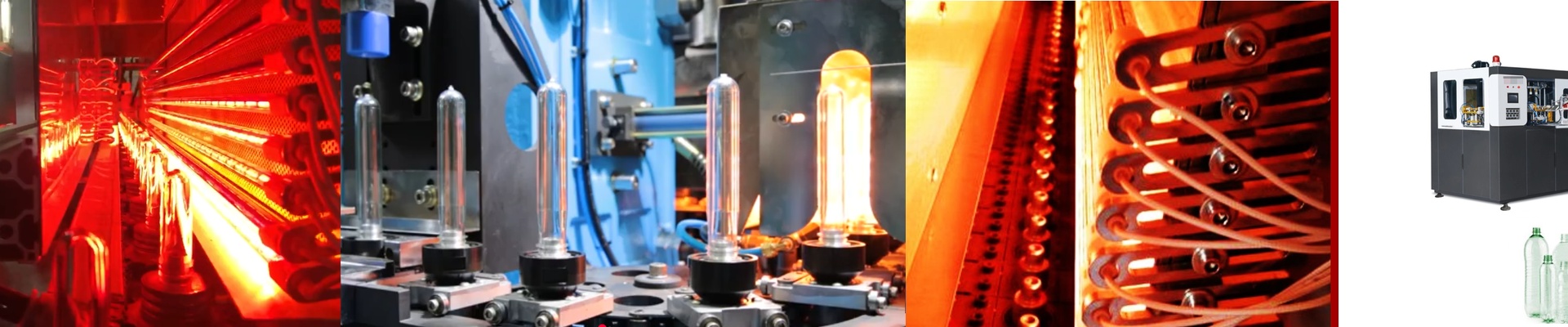
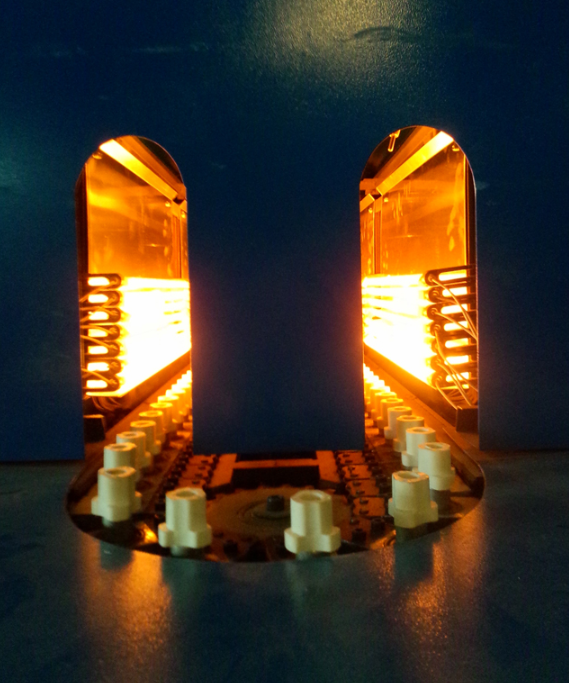
Out on the blow molding floor, uneven preform heating isn’t just a slowdown—it’s scrap you can feel. When the heating tunnel can’t hit the setpoint quickly, you end up with uneven wall thickness, blown bottles, and wasted energy. Ceramic end cap IR bulbs were built to fix exactly that. What matters under the hood These emitters pair a ceramic body with an integrated tungsten halogen filament, giving you stable short- to medium-wave output that gets into the PET fast and even. In practice, the specs that count are 100–4000 W per lamp, 120–240 V, and filament geometry matched to the heating zone. The R7s base and standardized lengths drop straight into existing reflectors and sockets, and the ceramic end caps take thermal shock without cracking. We tune the spectral output to line up with PET absorption, so you get a quick temperature rise with minimal surface scorch. Here’s why this works in stretch blow molding: the heating window is tight. Our ceramic IR bulbs come up to operating temperature in seconds, so the preform hits the blow station with predictable, uniform heat. The payoff is fewer rejects, stable cycle times, and lower kWh per thousand bottles. The emitter body holds its shape and output over long runs, so you stop chasing drift in the heating profile. On Sidel, Krones, SIPA, Husky, SACMI, and Nissei ASB machines, the 1:1 fit keeps the tunnel profile consistent, which means fewer operator tweaks. A few things to keep straight. Mounting orientation matters. Run these emitters horizontally as specified, or the filament sags and output distribution shifts. Keep reflectors clean and aligned—even a small misalignment scatters energy and eats your efficiency. You’ll see a slightly longer warm-up to full output compared to some high-intensity quartz halogens, but once stabilized, temperature control is tighter. Plan replacements around scheduled maintenance, not breakdowns, and always match voltage and wattage to the zone to avoid hot spots.