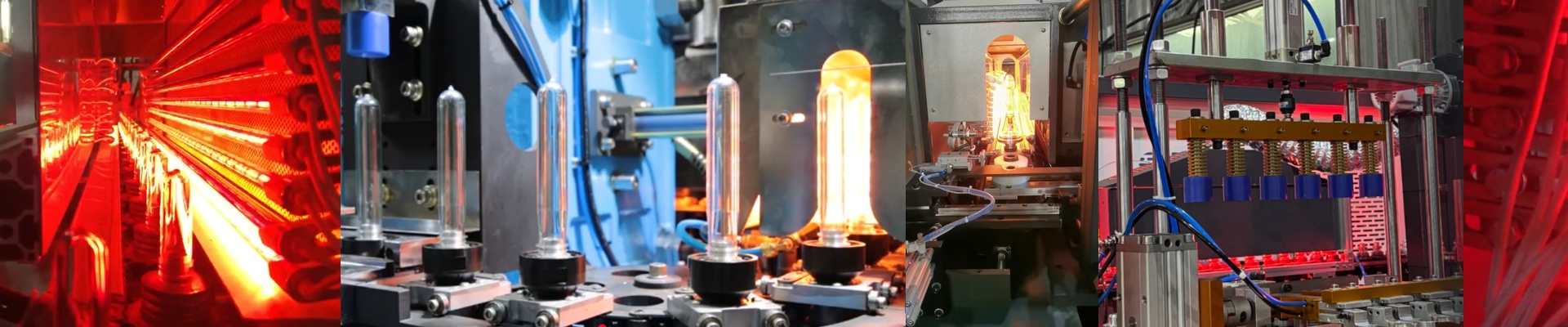
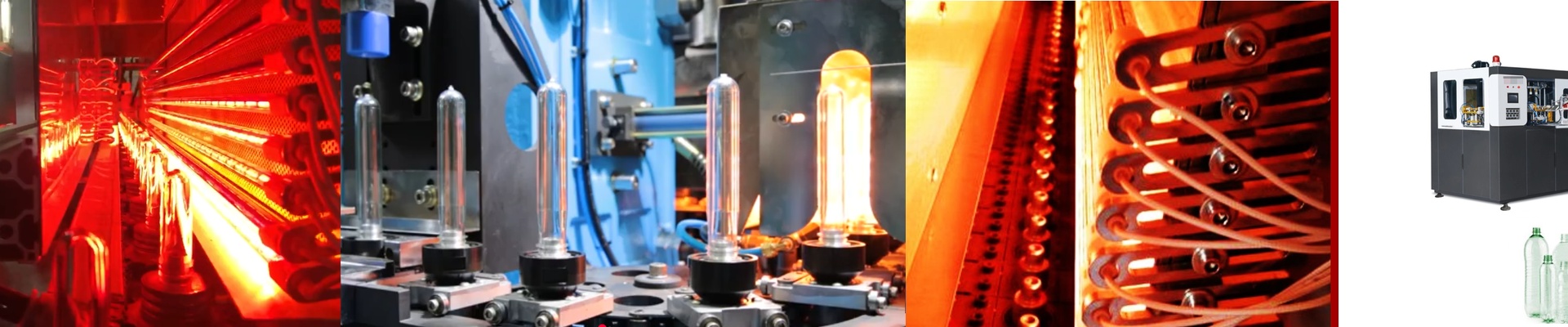
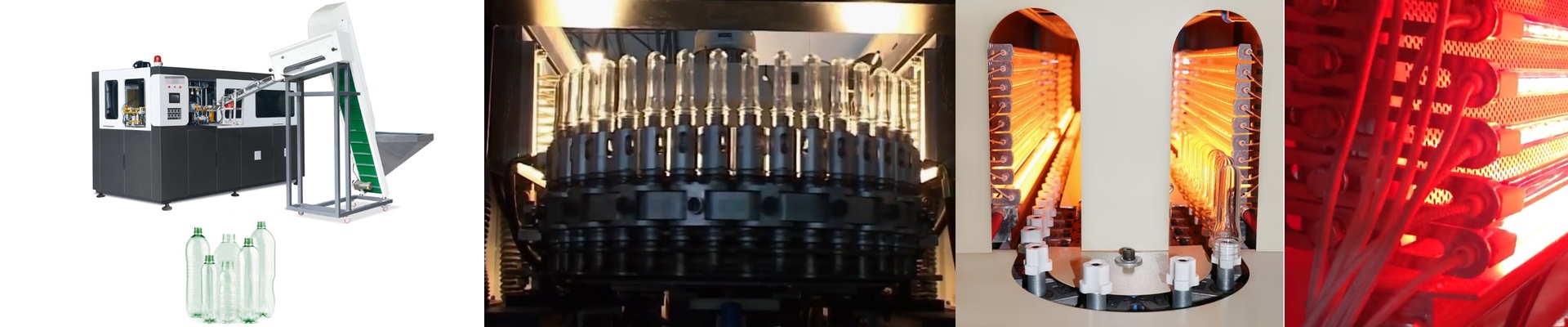
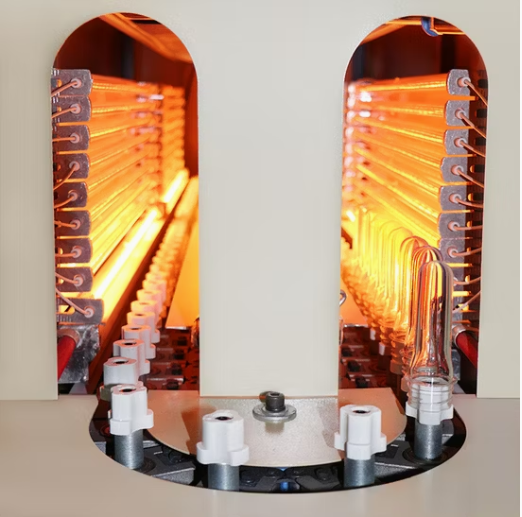
On the blow molding line, preform heating drift is the quiet killer. You see it in inconsistent stretch, in off-spec bottles, and in the extra scrap you sweep at shift change. Often, the root isn’t the emitter itself, but the ceramic end cap that keeps heat focused where it should be. We build our ceramic end caps for infrared lamps used in PET stretch blow molding, engineered to match the geometry and thermal behavior of common IR systems. The ceramic material holds stable reflectance and dielectric strength at high temperatures, so the lamp’s energy stays aimed at the preform wall. We size the inner bore and length to fit standard quartz tubes and halogen emitters, and we hold tight tolerances on the R7s or equivalent connector interface so the lamp seats squarely. The payoff is repeatable heating, stable output, and fewer hot-spot surprises. Here’s the thing: in the heating tunnel, preforms move fast and the window for uniform temperature is narrow. A cap that doesn’t match lets heat spill, wasting energy and forcing you to chase setpoints. Our caps keep the beam profile consistent, so you can run tighter temperature windows, cut power demand, and keep cycle times where they belong. That means fewer rejects, less downtime for adjustment, and lower kWh on the meter. Installation is straightforward, but alignment matters. Check the lamp holder, clean the contact surfaces, and confirm the cap’s length and bore match your existing emitter. Expect thermal expansion at the ends of the heating zone, so use the specified torque and don’t over-tighten. If your line runs 24/7, plan replacements on a schedule—ceramic parts age, and catching them before cracks form keeps your heating stable.