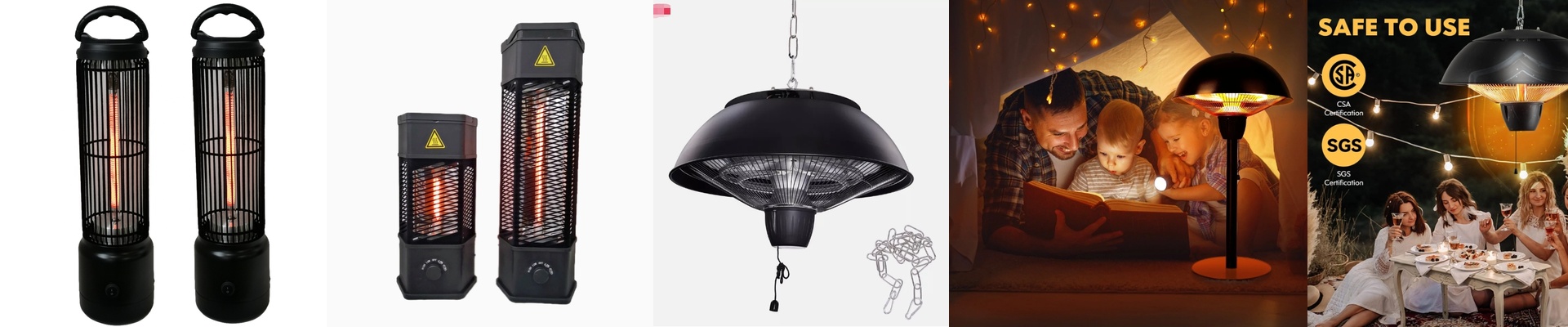
Stop Burning the Outside and Freezing the Middle
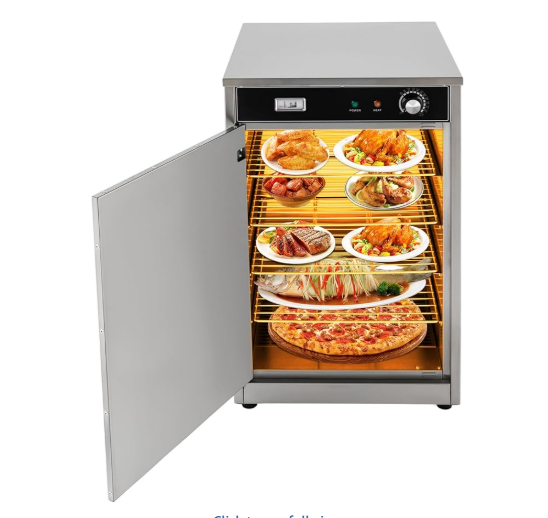
Anyone who’s worked with thick cuts of meat knows the struggle. You try to get the center hot, but by the time it’s actually edible, the outside is a charred mess. It’s frustrating. We found a way around this by combining shortwave infrared bulbs with PID temperature controllers. Instead of just blowing hot air around like a convection oven, infrared goes straight for the molecules. How it actually works We use specific tungsten filaments that push heat deep into the protein fibers. These waves don’t just hang out on the surface; they dive straight into the core. Because the heat hits the center so fast, the outside doesn’t have to sit under high heat for nearly as long. No more “overcooked crust” ruining a great piece of meat. Keeping things steady Now, high-wattage bulbs are powerful. If you just use a basic on/off switch, you’re going to overshoot your temperature or burn out your gear. That’s why we wire them into a PID loop with a fast-response thermocouple. It basically acts like a brain, watching the surface temp in real-time and dialing the power up or down. It creates a smooth ramp-up. The result? The middle hits the target temp without the exterior searing first. A few things to watch out for Here’s the catch: all that intensity creates a lot of ambient heat. If you cram these bulbs too close together in a display, you might melt your wiring or overheat the housing. You’ll need to make sure your ventilation is on point or use some heat-resistant shielding to keep the rest of your equipment safe. Setting it up The good news is that these are drop-in replacements for most standard warming displays. Just double-check that your sockets can handle the peak wattage—nobody wants a melted connector. And a pro tip: clean your reflectors every few months. Grease builds up on those mirrors, which kills the heat density. When that happens, the bulbs have to work twice as hard to do the same job, and they’ll burn out way faster.