Why we switched to halogen infrared for food warming
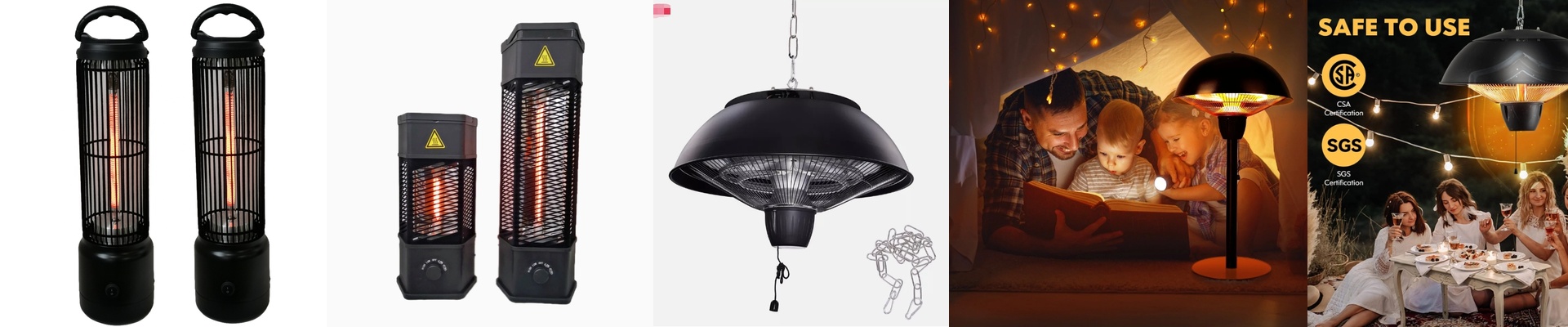
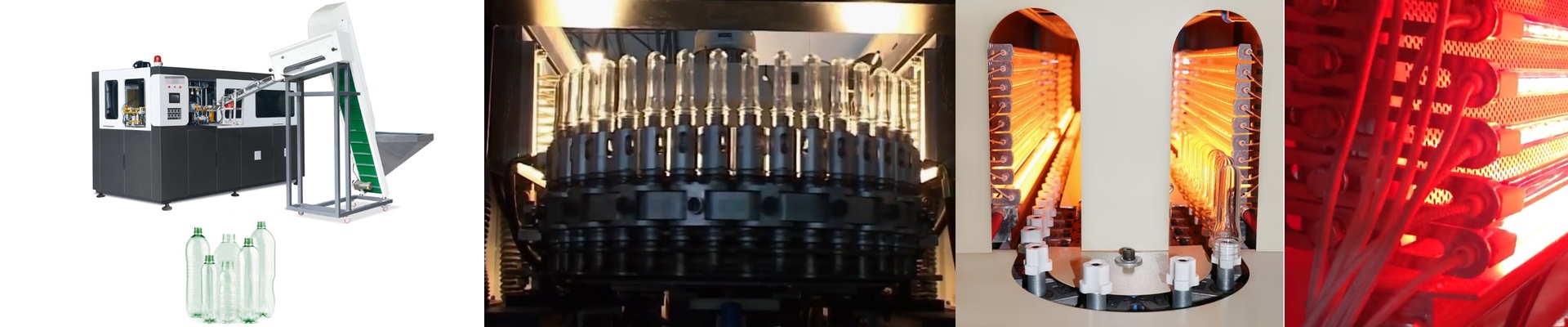
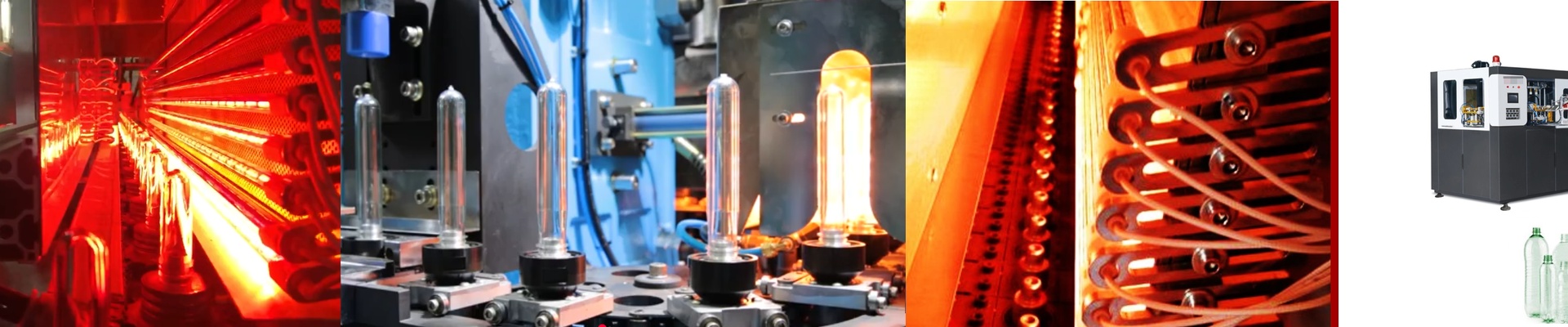
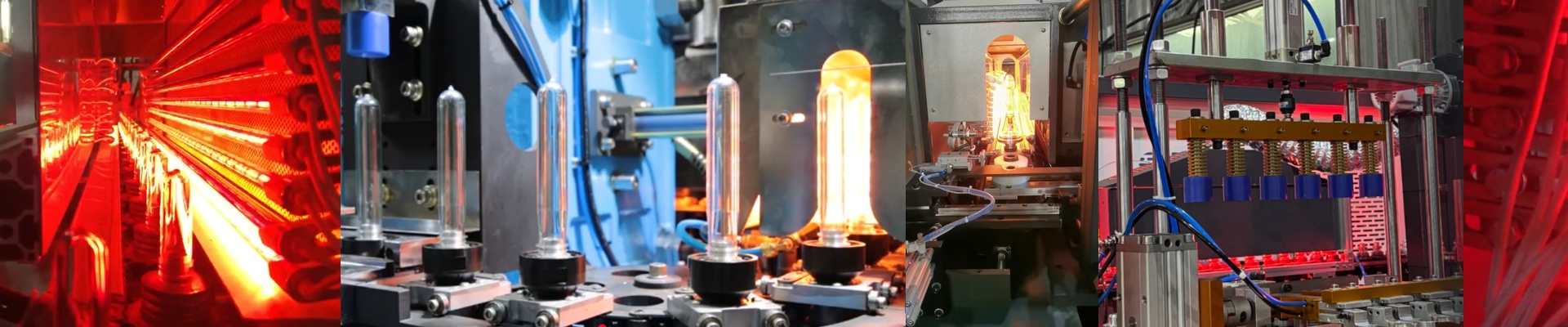
Most commercial kitchens are still using those old-school resistive heating elements. They work, sure, but they’re slow. They spend half their time heating up the air around the food instead of the food itself. It’s a huge waste of energy. That’s why we use halogen infrared bulbs. Instead of warming the air, these lamps shoot short-wave radiation straight into the food. It’s direct. It’s efficient. And it’s a lot faster. The secret to the speed Inside these lamps, there’s a high-pressure halogen gas cycle tucked into a quartz envelope. It sounds technical, but here’s what it actually does: it stops the tungsten filament from evaporating. Because of that, we can crank the temperature way higher than you’d find in a normal lightbulb. You get a massive hit of heat density. No waiting around for the oven to “preheat.” You flip the switch, and you have instant heat. Getting it set up We kept the hardware simple. Most of our warmers use R7s or SK15 connectors, so if a bulb goes out, you just pop a new one in and keep moving. We use quartz glass because it lets the infrared energy pass through without getting blocked. One quick tip if you’re installing these: watch your wiring. If you’re daisy-chaining a bunch of warmers together over a long distance, make sure your wire gauge is heavy enough. If it’s too thin, you’ll deal with flickering or bulbs burning out way too early. Saving energy (and the planet) If you want a “green” kitchen, you have to kill the idle time. Traditional heaters stay hot long after the food has been served. It’s like leaving the car running in the driveway. Infrared is different. The second you turn it off, it cools down. That cuts your kilowatt-hour usage significantly over a full shift. But there is a catch. This heat is intense. Since it’s so concentrated, you have to get the spacing just right. If the bulb is too close, you’ll sear the top of the food while the middle is still cold. A little bit of calibration goes a long way to make sure you don’t end up with burnt edges.