
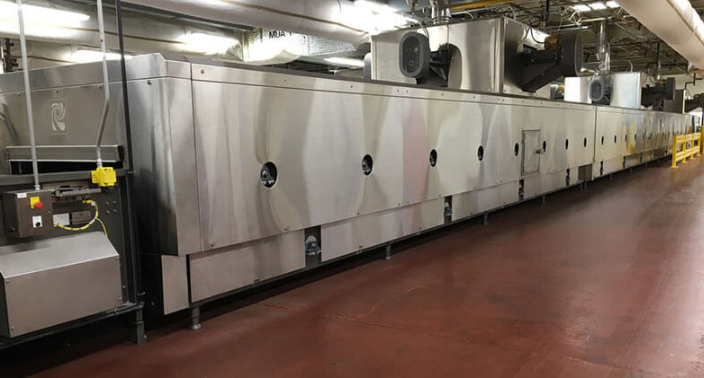
Getting Thermal Control Right in Rotary Ovens
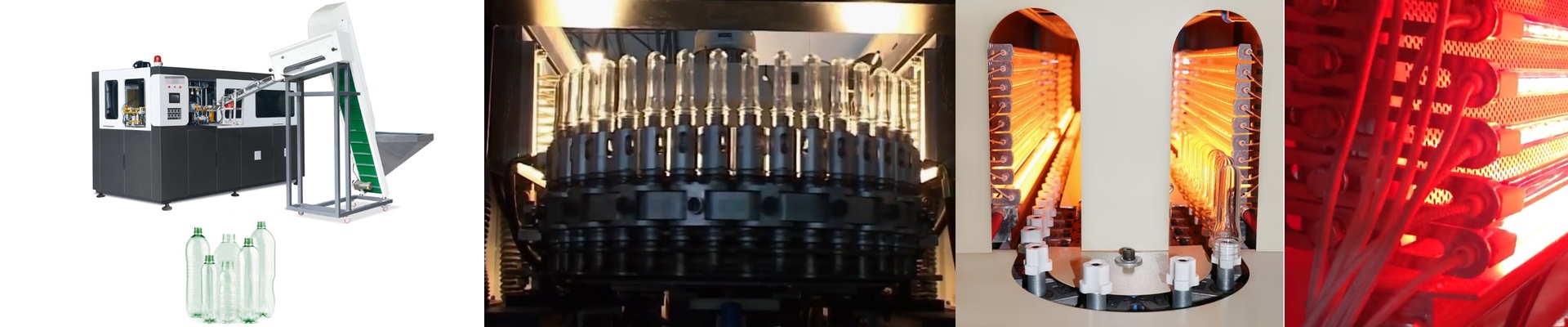
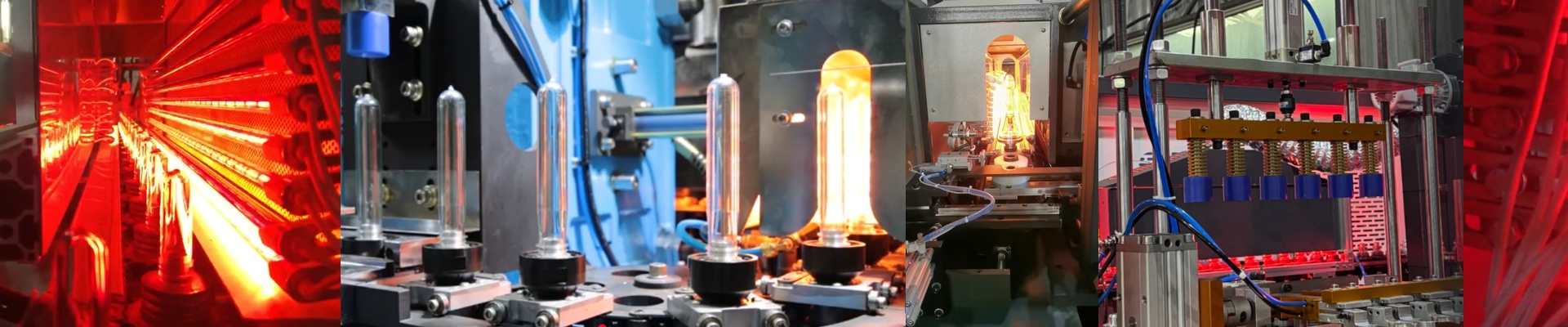
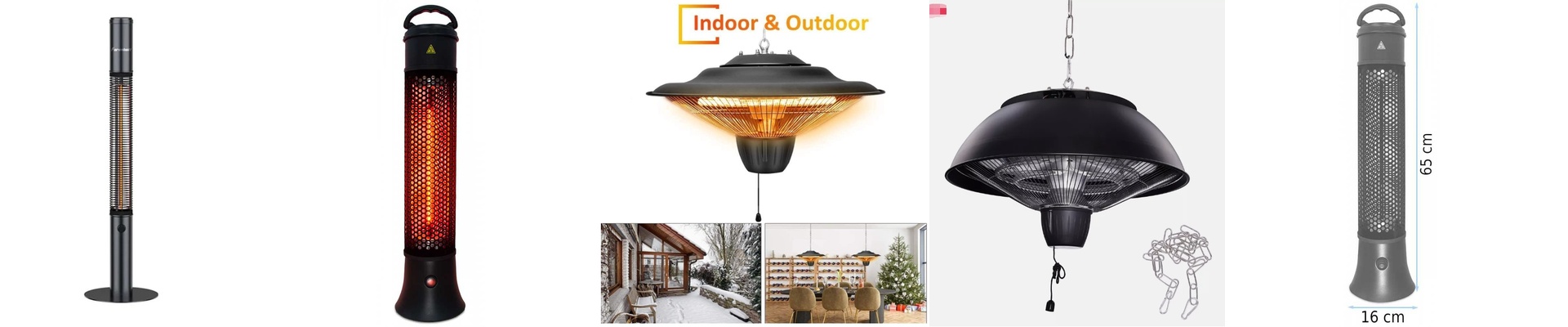
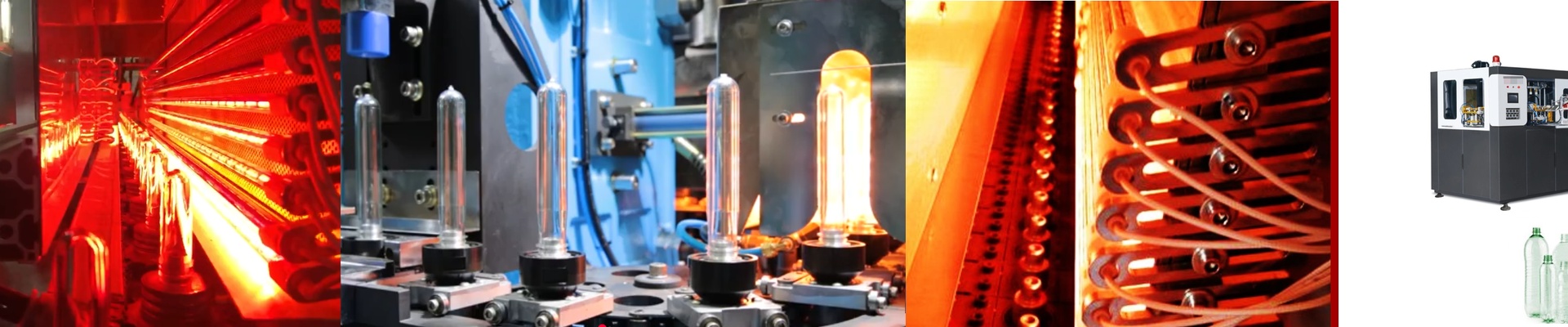
If you’re building a smart kitchen, you have to stop thinking about “bulk heating.” You can’t just blast a whole chamber with heat and hope for the best. You need to put the energy exactly where it belongs. That’s why we use ceramic infrared heaters. Instead of relying on air to move the heat around—which is slow and unpredictable—these heaters beam radiant heat directly onto the food.
The secret is in the ceramic
We use high-density ceramic composites for a reason. They let us concentrate the heat right where the product is sitting. Now, think about a rotary oven. The food is always moving. If your heater takes forever to warm up, you’re going to end up with cold spots. It’s frustrating. To fix that, we build our units with high watt density. Basically, you get a massive amount of heat coming from a very small footprint. It hits operating temperature almost instantly.
Making it fit
Let’s be honest: off-the-shelf heaters almost never fit. Especially when you’re dealing with the tight spaces of an AI-driven oven. We don’t do “standard.” We tweak the length, wattage, and voltage to match your specific power rail. If you’ve got a circular drum that needs a curve, or a conveyor that needs a straight line, we shape the ceramic to fit that geometry. But the real magic happens in the control loop. We design these to work with PID controllers and SSRs. This lets you cycle the heat rapidly. You can actually keep your temperature window within ±1°C.That’s a level of precision that changes everything.
The balancing act
Here is the tricky part: thermal mass versus response time. If the ceramic is too thick, it holds onto heat longer. That keeps the oven stable, which is great. But there’s a catch. If the controller tells the oven to cool down, a heavy heater reacts too slowly. You’ll overshoot your target temperature during the ramp-up, and suddenly your food is overcooked. We spend a lot of time tuning the thickness of the ceramic to find that sweet spot. One last tip: if you’re running a high-speed line, keep an eye on your ventilation. You’re discharging heat fast, and if that air has nowhere to go, your electronics are going to bake. And nobody wants that.