Stop Fighting Bathroom Mold: A Smarter Way to Dry Your Space
Most of us think of bathroom heaters as just a way to stop shivering while we get dressed. But we looked at it differently. We wanted to build something that doesn’t just warm you up, but actually keeps your bathroom from becoming a damp, moldy mess.
Why “Spectral Output” Actually Matters
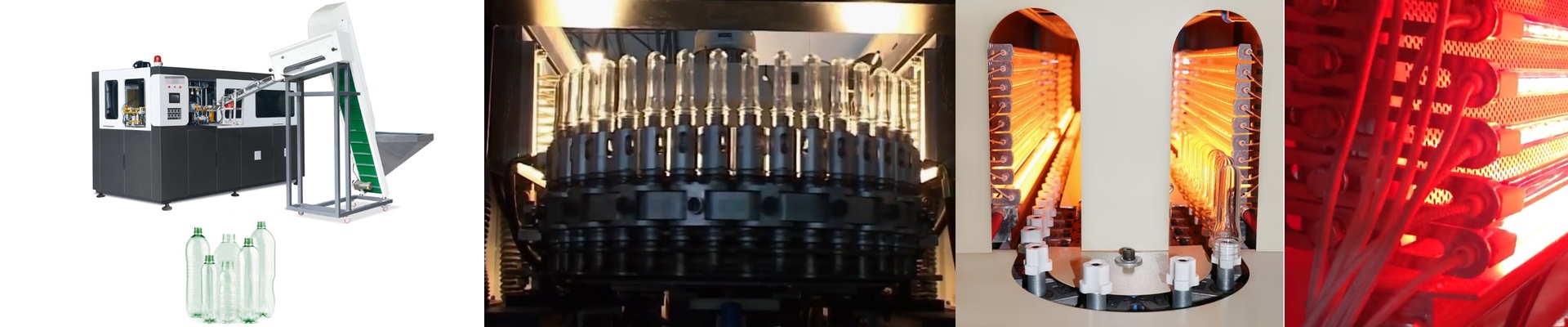
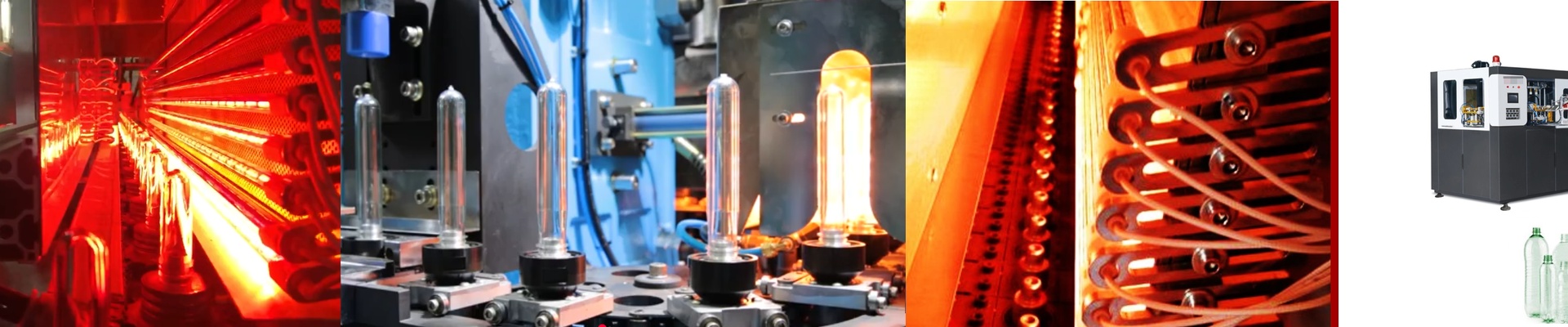
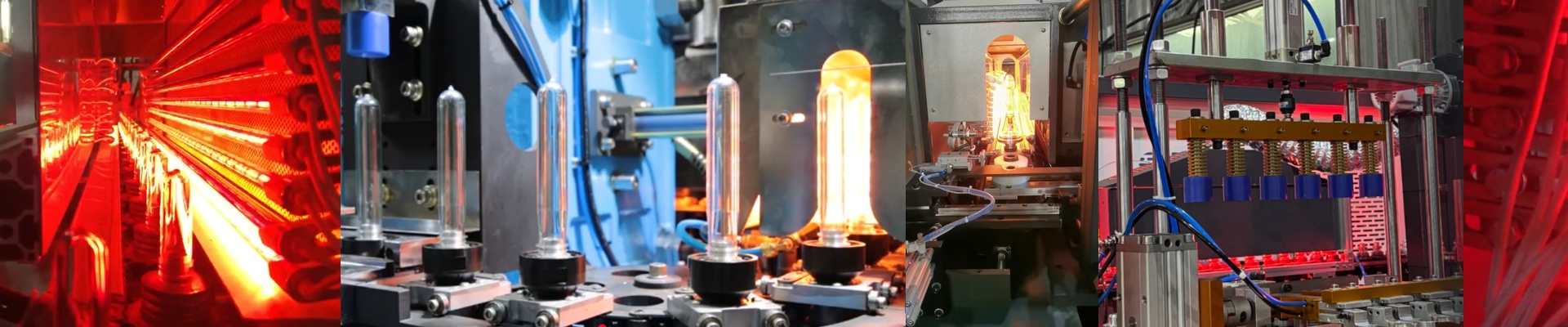
Here is the thing: most heaters just warm up the air. That’s fine, but it doesn’t do much for the water clinging to your walls. Our lamps use short-wave infrared. Instead of heating the air, the energy goes straight for the surfaces—your tiles, your grout, your ceiling. It hits the water droplets and turns them into vapor almost instantly. It’s a simple bit of physics. If the walls stay dry, mold doesn’t have a place to grow. You’re not just heating the room; you’re basically evaporating the problem away.
Built for the Splash Zone
Water and electricity are a nightmare pairing. That’s why we didn’t cut corners on the build. We use an IP66 rating, which is a fancy way of saying the housing is completely dust-tight and can handle high-pressure water jets from any angle. We use heavy-duty gaskets and sealed cables because steam is sneaky. If moisture leaks inside, the lights burn out or the circuit trips. We made sure that doesn’t happen.
A Few Tips for the Install
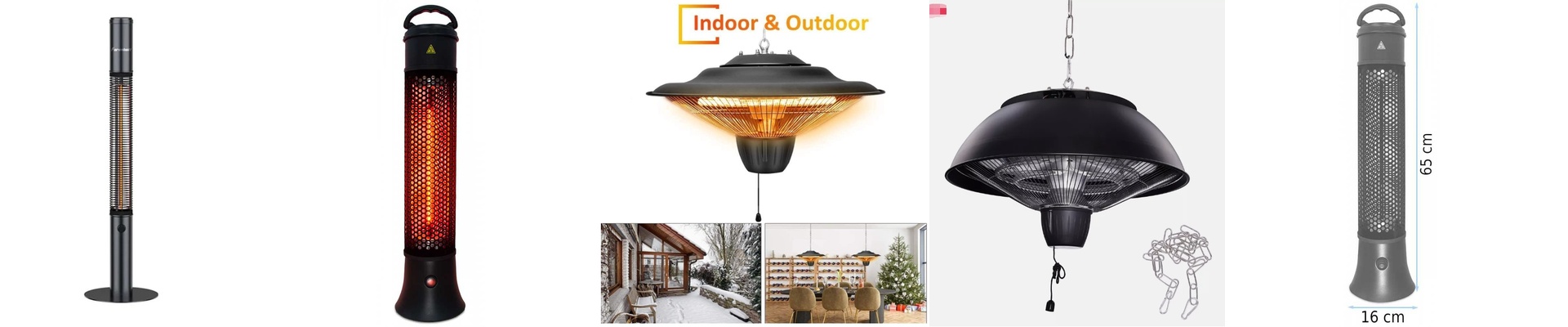
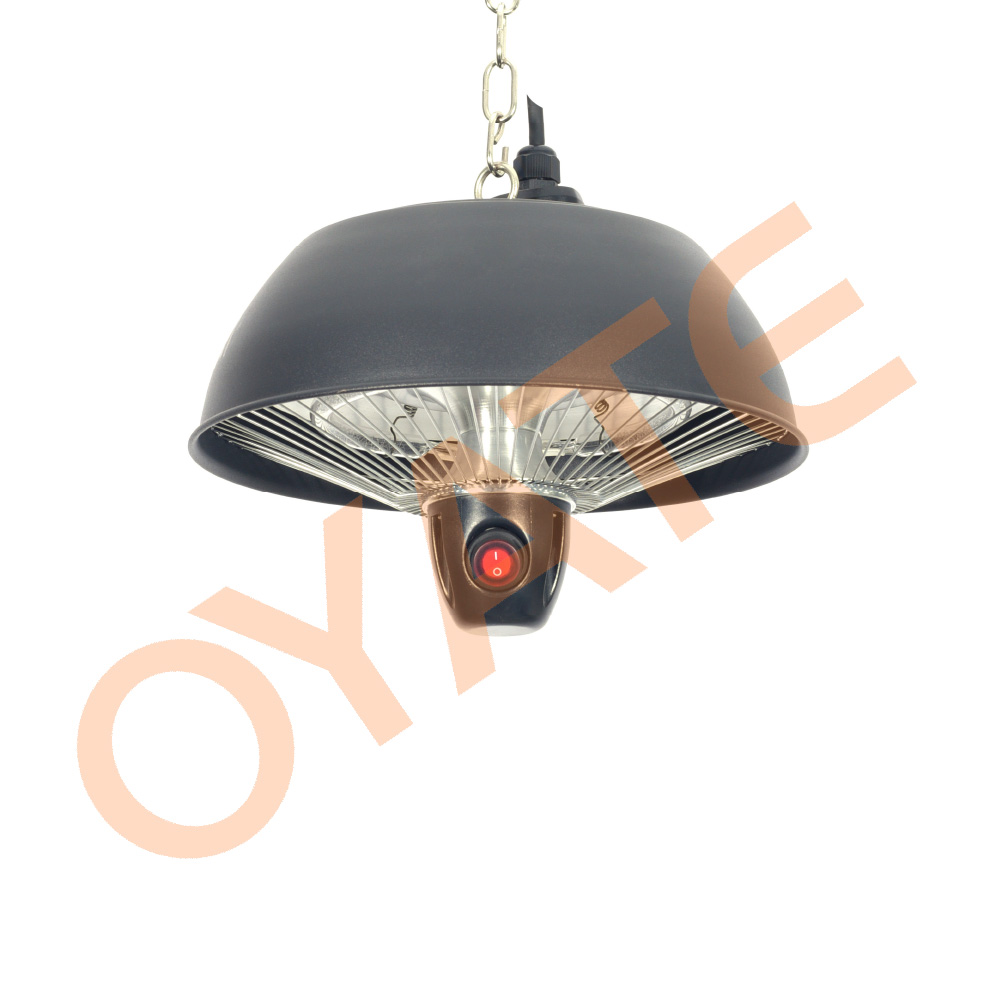
Since these lamps pack a lot of heat into a small area, you can’t just slap them anywhere. If you mount the lamp too low, it’ll feel like you’re standing too close to a campfire—and you might even warp some of the plastic fixtures in your bathroom. We suggest keeping the lamp at least 2.2 meters up. This lets the heat spread out evenly across the room so everything dries at once without scorching anything. Oh, and make sure to give it its own dedicated circuit. It pulls a bit of power when it first kicks on, and you don’t want to be flipping breakers in the hallway.