Let’s Talk About Catering Infrared Lamps (And Why They Actually Burn Out)
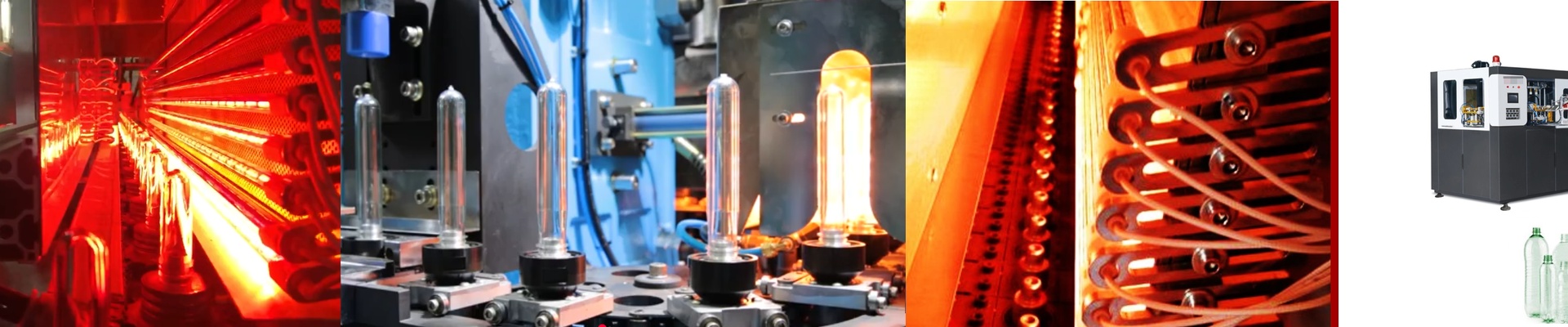
If you’ve ever worked in a professional kitchen, you know the deal. Convection ovens are absolute workhorses, but they live in a brutal environment. When you’re pushing a machine for 10 hours a day at full tilt, those heating elements are taking a serious beating. The big question I always get from maintenance guys is: Can a domestic-grade tube actually hold up against the big global brands, or is it just going to pop a few weeks in? Here is the honest truth about what makes them last. It all comes down to the glass and the center. We use high-purity fused quartz. Why? Because when things get hot, materials expand. Cheap glass warps. Fused quartz doesn’t. Then there’s the filament. If that tungsten wire isn’t centered perfectly, you get these nasty “hot spots” on the glass. Once a hot spot starts, the tube is basically on a countdown to failure. We obsess over the centering so the heat stays even and the glass stays intact. The “10-Hour Shift” Problem When an oven runs all day, the tube spends almost its entire life at a blistering temperature. Normally, the tungsten filament would just evaporate and disappear. To fix that, we use a halogen gas fill. Think of it like a recycling system—it pushes the evaporated tungsten back onto the filament. This keeps your wattage steady. You won’t wake up after a few hundred hours to find your oven has lost its punch. Installing them (and a word of caution) These are designed to be simple drop-in replacements. They fit the standard footprints of the major brands, and we use connectors that can handle high current without pitting or scarring. But here is a pro tip: be careful if you’re tempted to swap in a higher-wattage tube just to speed up your cooking. Pushing more power through the system puts a lot of stress on your internal wiring. If your relays aren’t up for it, you’ll trip your breakers or—even worse—melt the housing long before the lamp actually gives out. We build ours to match OEM specs exactly. It’s not as “exciting” as boosting the power, but it’s the only way to avoid those midnight electrical headaches.