Stop Fighting with Your SIG Blomax Lamps
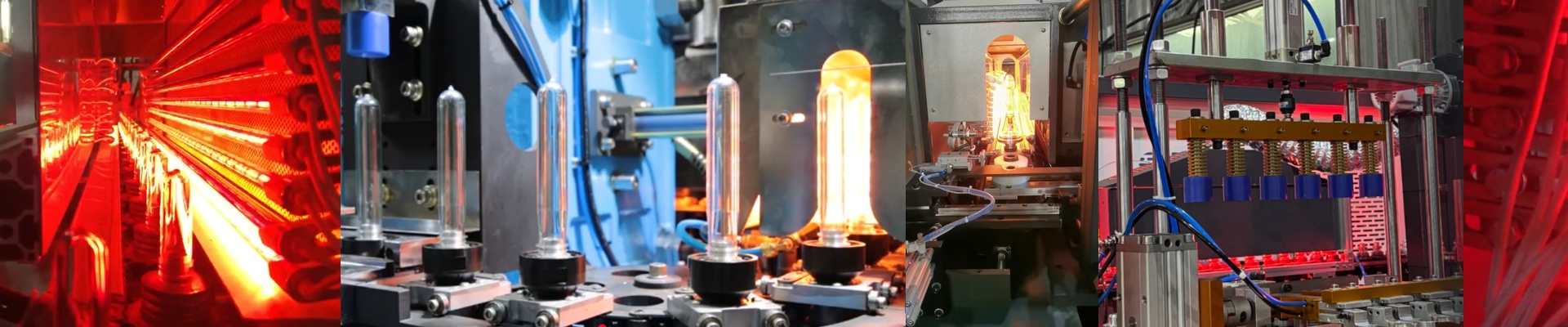
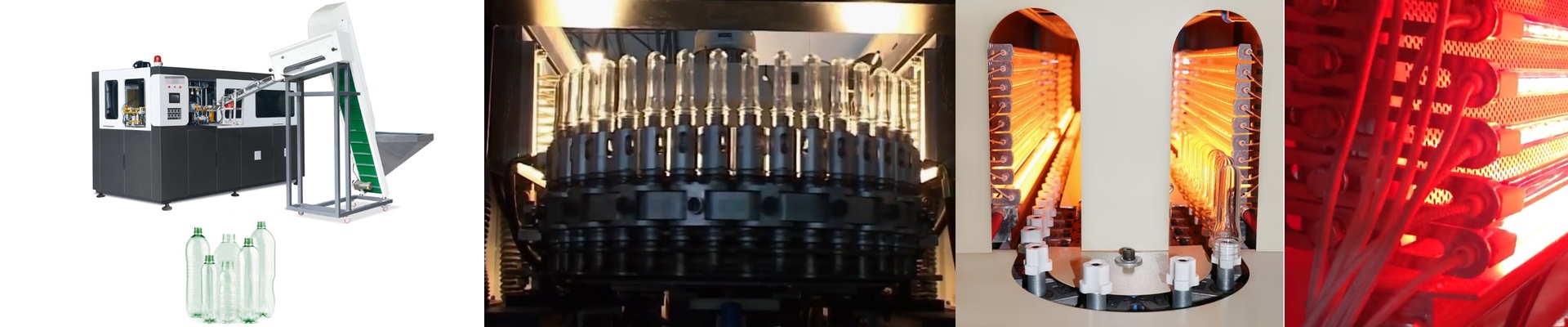
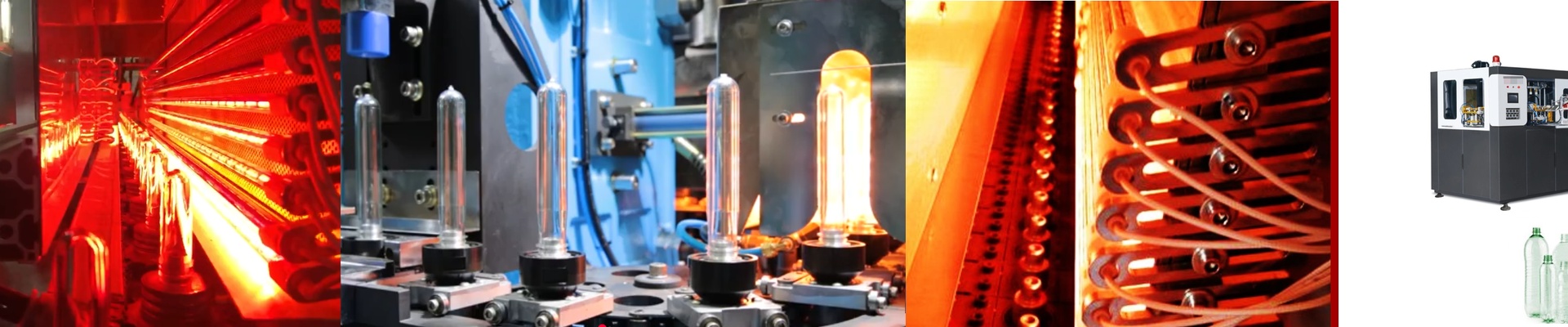
If you’ve spent any time around a SIG Blomax line, you know the headache of preform deformation. It usually comes down to one thing: your heat profile is off. But more often than not, the real culprit is the lamps. They burn out. They pop. It’s frustrating, and it kills your momentum. Most of these failures happen because of thermal shock or a weak spot in the quartz. We got tired of seeing that happen, so we built a replacement lamp that actually holds up under pressure.
Built to take a beating
Standard lamps usually give up the ghost at the seal or where the electrode hits the glass. We fixed that by using reinforced quartz glass. Why? Because a high-speed production line is a violent place. Between the constant vibration and the wild swings in temperature, your hardware takes a pounding. Our lamps are designed to handle that stress without cracking. We also tweaked the tungsten filament. We kept the wattage and voltage exactly where SIG needs them, but we smoothed out the hot spots. You still get the high heat density needed to warm those preforms fast, but the glass isn’t under nearly as much strain. **One quick tip:**keep your reflectors clean. If they’re clogged, heat traps inside the oven and cooks your lamps from the outside in. No lamp can survive that.
No fuss, no rewiring
You don’t want a project; you just want your machine to run. That’s why these are direct drop-in replacements. The length is right, the connectors fit, and you won’t have to mess with your racks or modify any holders. Just swap them in and go. We spent a lot of time on the seal between the filament and the quartz. If that seal leaks gas, the lamp is dead instantly. By tightening that up, we’ve managed to stretch out the time between replacements. That means fewer mid-shift scrambles to swap out dead tubes while the line is stalled.
The honest trade-off
Here is the deal: when you build a lamp to last longer, you sometimes lose a tiny bit of that raw, peak intensity. Our reinforced lamps are tougher, but you might notice a slight difference compared to a brand-new OEM bulb. You might need to nudge your temperature settings or tweak the dwell time to get that perfect plasticity in the preform. My advice? Run about 100 cycles, check your bottle wall thickness, and dial it in from there. Once you hit that sweet spot, you can stop worrying about your lamps and get back to actually producing.