Getting That Perfect Sear in Commercial Steam Ovens
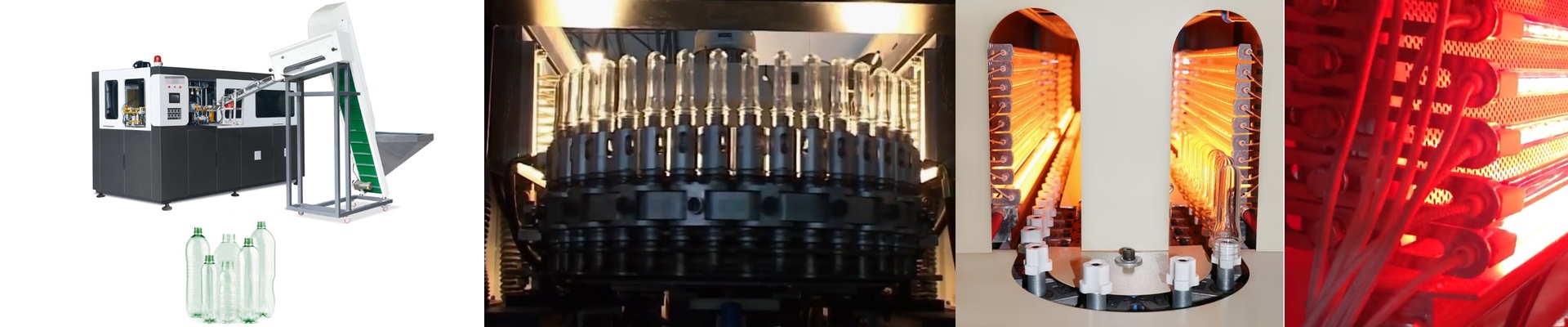
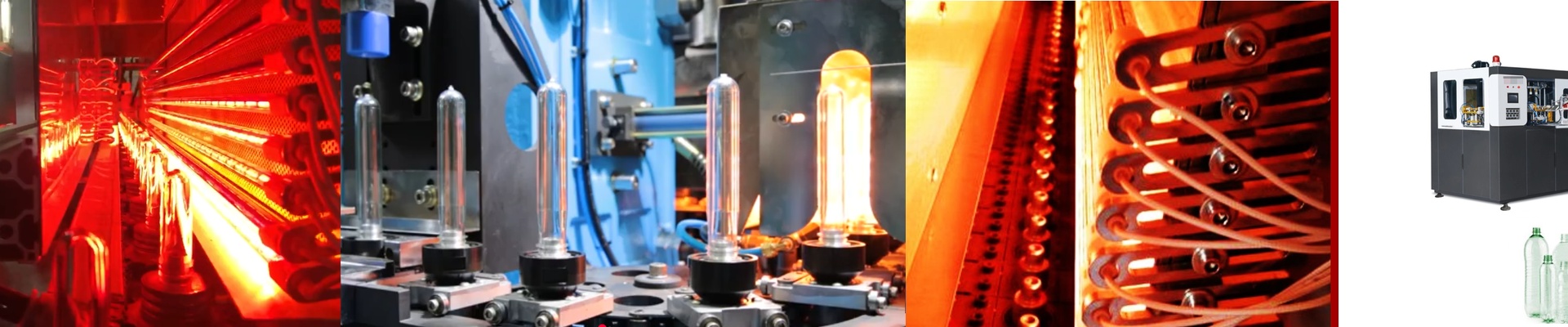
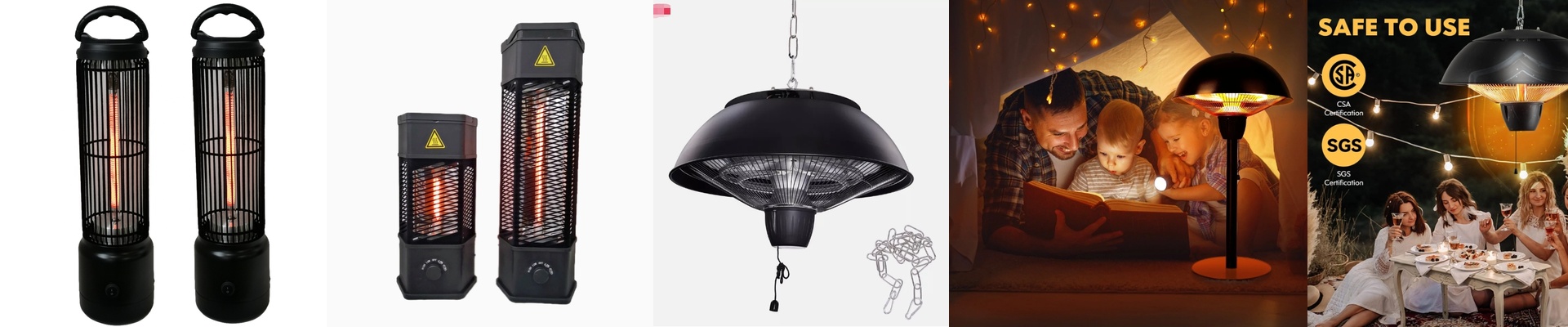
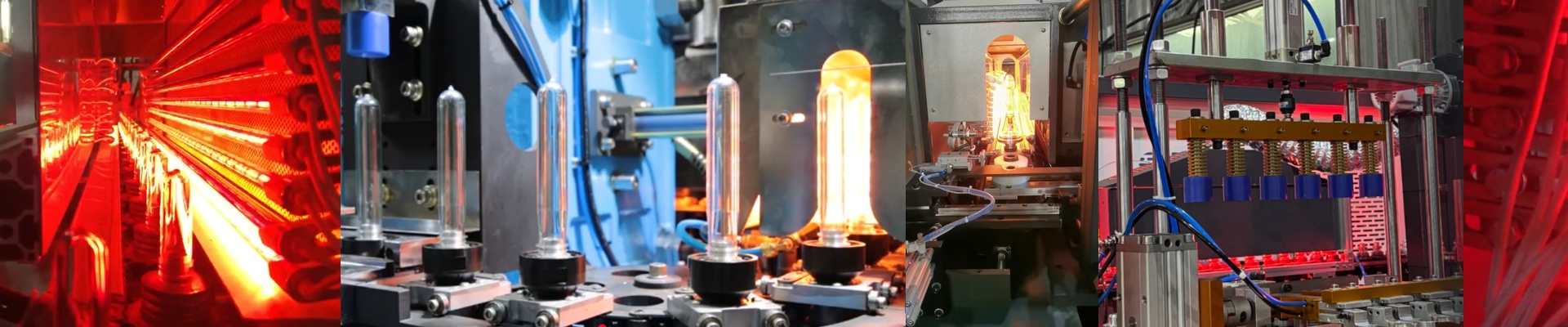
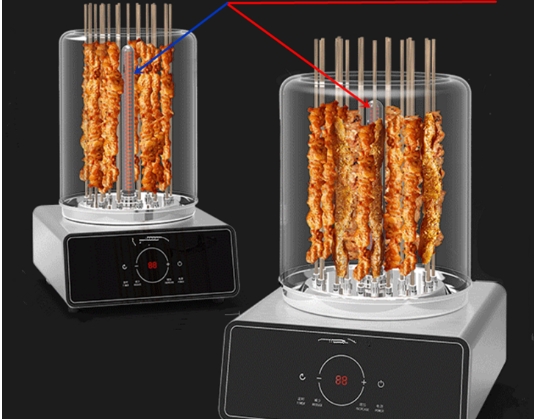
Ever wonder why some steam ovens get that perfect, golden-brown crust without drying out the middle? It’s a tricky balance. You need moisture, sure, but you also need a punch of intense heat to get that sear. That’s where shortwave infrared (IR) bulbs come in. Most ovens rely on moving air to heat things up. But IR is different. It doesn’t wait for the air to warm up; it sends energy straight into the food. It basically cuts through the steam clouds in the oven and hits the target directly. The result? That classic “crispy on the outside, juicy on the inside” vibe. It triggers the Maillard reaction—the magic that makes food brown and taste savory—fast. The nitty-gritty on the bulbs If you’re looking at replacement bulbs, you’ll likely see halogen-filled quartz tubes. There’s a reason for that. The halogen keeps the glass from getting cloudy over time, so the heat keeps flowing strong. You’ll usually run into R7s or SK15 connectors. These are just easy, drop-in replacements. And the quartz is a lifesaver. It can handle the shock of going from room temperature to 500°C in a heartbeat without just shattering. A few things to watch out for High-wattage bulbs are powerful, but they bring a lot of heat with them—and not all of it goes into the food. Some of it stays in the oven housing. If you’re thinking about upgrading to a beefier bulb, do yourself a favor and check your wiring and sockets first. If the housing isn’t vented well, a bulb that’s too hot can melt your socket or fry the insulation. And please, double-check your voltage. If you plug a 230V bulb into a 200V line, you’re going to lose that heat density. You’ll end up with a sad, pale sear instead of that deep, professional crust.