Getting the Heat Where it Actually Matters in Husky HyPET Systems
Running a Husky HyPET line at high speeds is a balancing act. If your heat just sits on the surface of the preform, you’re going to run into trouble—think uneven walls and that annoying pearlescence that ruins a batch. The trick is getting that heat to soak deep into the core, not just toast the outside. That’s exactly why we built our infrared lamps the way we did.
How we actually get the heat inside
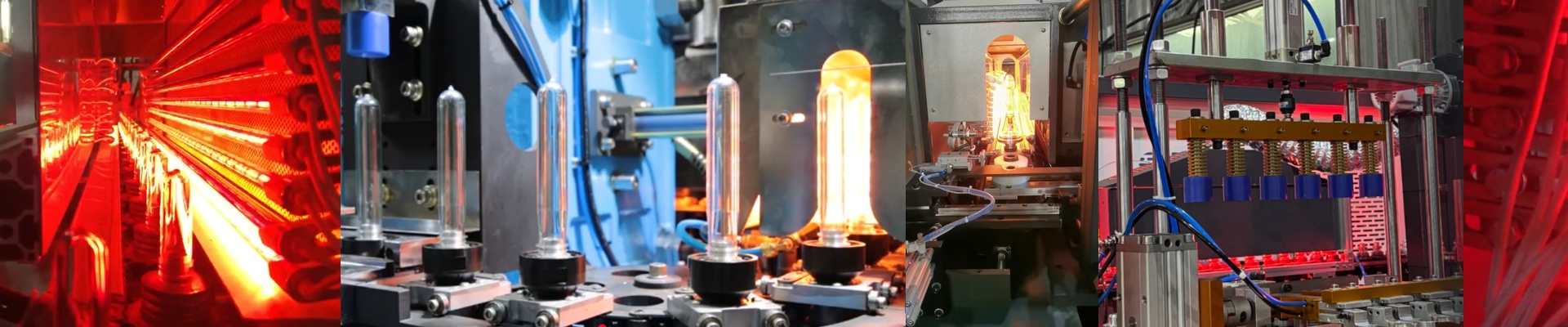
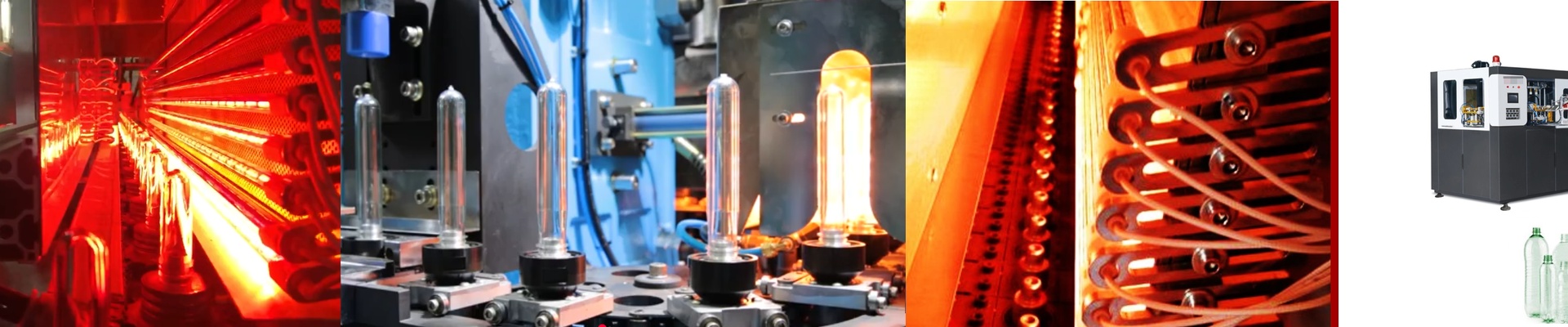
Most lamps just bounce energy off the PET surface. Not these. We use short-wave infrared emitters and tweaked the filament temperature and quartz glass to match how PET actually absorbs energy. Essentially, the heat sinks in faster. When you’re pushing your cycle times to the absolute limit, you need a consistent melt all the way through the plastic. No cold spots, no guesswork. Just a solid, reliable heat soak.
The hardware side of things
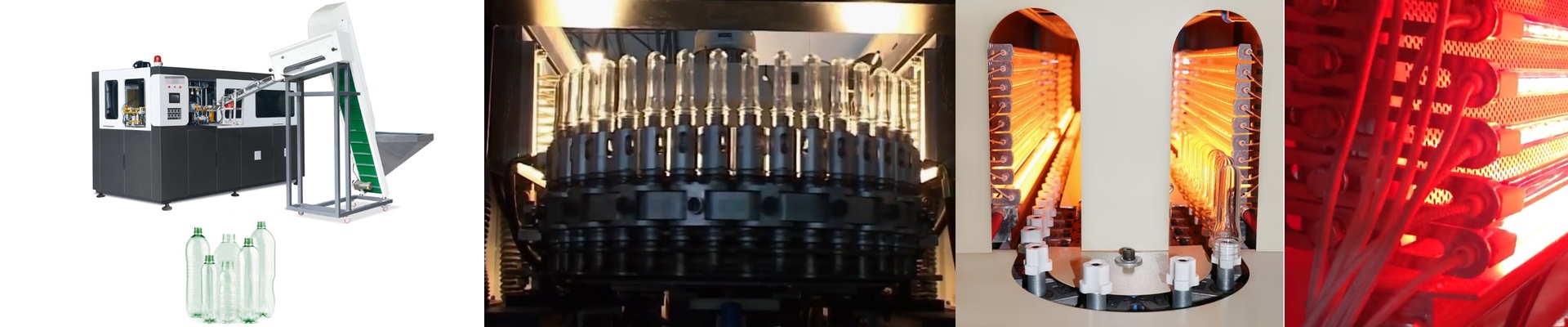
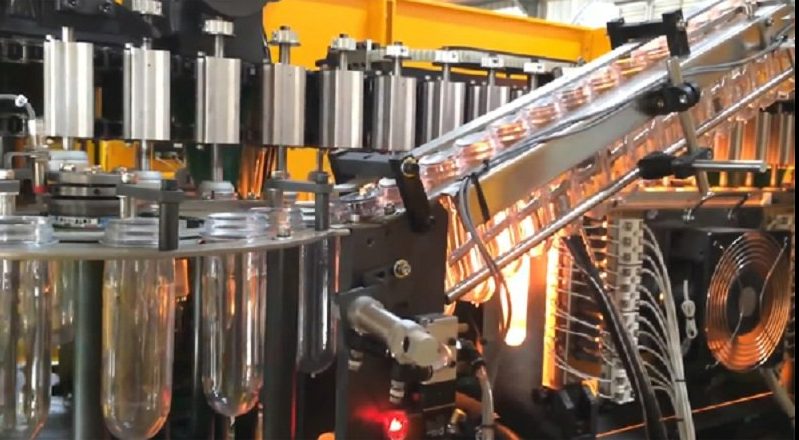
We didn’t want you to have to rebuild your oven just to use our lamps. They’re designed as simple drop-in replacements for Husky setups. We use high-purity quartz because these things take a beating with rapid thermal cycling. We also beefed up the connectors to handle high current, so you don’t have to worry about them burning out at the contact points. And since every oven length is different, we offer different wattage options. This keeps the heat steady across the whole zone, regardless of your setup.
The trade-off (because there’s always one)
Here’s the thing: when you push more energy into the preform, your oven gets hotter. If your ventilation is clogged or just can’t keep up, the ambient temperature inside the oven starts to climb. That’s when you start seeing “neck creep,” where the neck finish gets too hot when it should be staying cold. It’s a tug-of-war. You have to balance the lamp power with your air-cooling flow. Keep the neck chilled, keep the body hot, and you’re golden.