How to get that perfect golden crust (without ruining the bread)
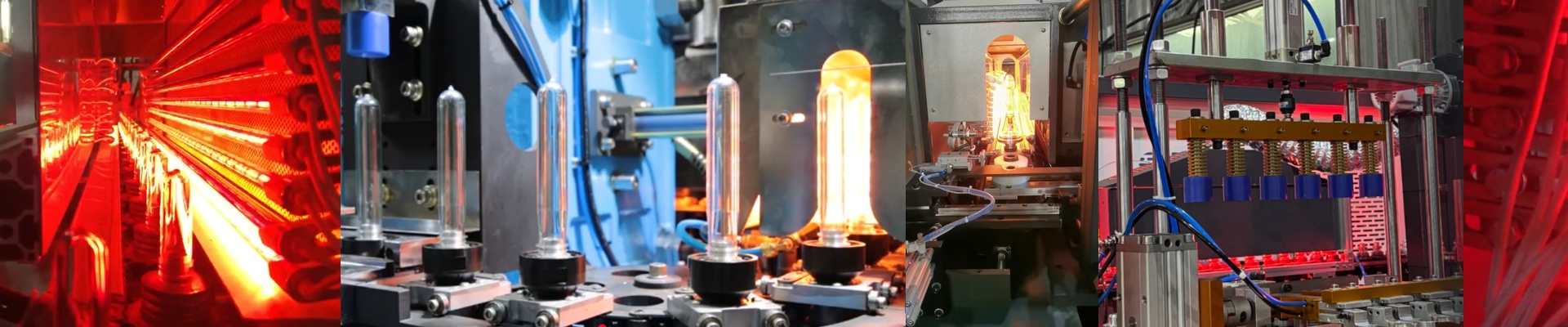
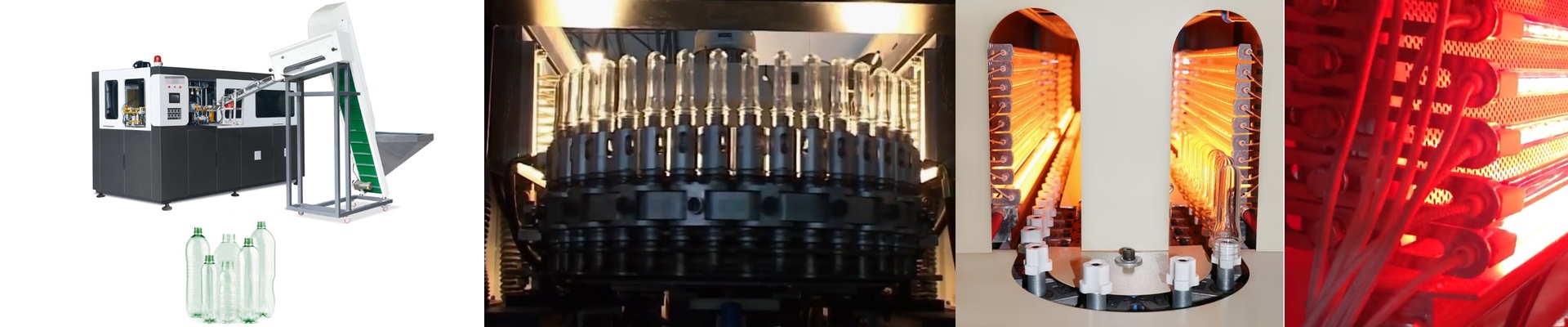
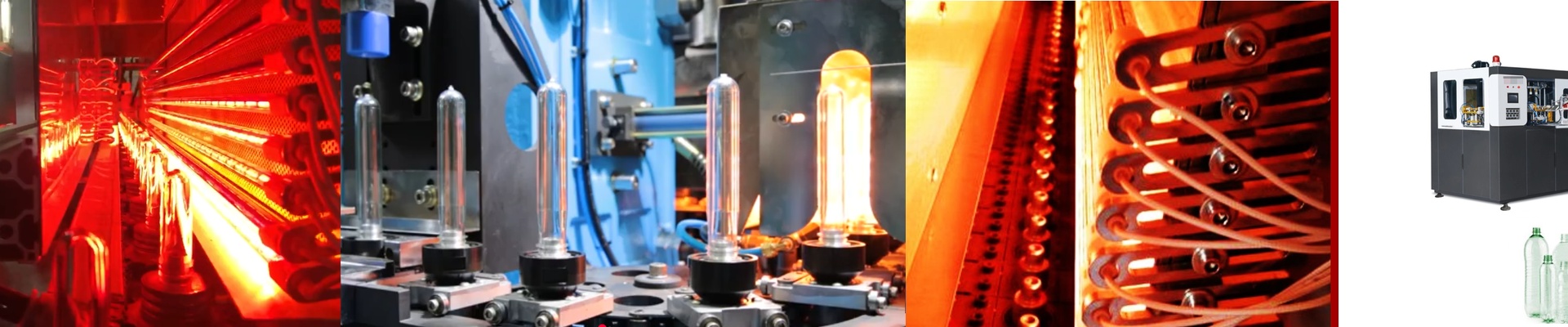
Ever wonder how commercial bakeries get that gorgeous, golden-brown crust without turning the inside of the bread into a crouton? It all comes down to how you handle the heat. Most ovens rely on hot air, but air is slow. If you’re running a high-volume shop, you don’t have time to wait for the air to warm up. That’s why we use short-wave infrared (SWIR) lamps. Instead of warming the room, these lamps shoot energy straight into the dough. It’s nearly instant. The secret is in the wavelength. We tune these tubes to a very specific range (0.76 to 2.5 $\mu$m). This allows the heat to dive right into the surface of the bread. It triggers the Maillard reaction—that’s the science-y term for when sugars and proteins dance together to create that toasted smell and brown color—in a matter of seconds. What’s actually inside the lamp? We use quartz tubes filled with halogen. Why? Because these things run incredibly hot. Without the halogen cycle, the tungsten filament would just evaporate, and your lamps would burn out way too fast. We also stick with R7s or SK15 connectors. In a loud, vibrating industrial oven, the last thing you need is a loose wire. These stay put. Depending on how much space you have, we can tweak the wattage. More wattage means more heat density, which means you can speed up your conveyor belt and push more product through the door. A word of caution, though. These lamps are aggressive. Like, really aggressive. If you mount them too close or leave them on a second too long, you’ll char the crust before the middle is even warm. To stop that from happening, you need a solid PID controller and relays that can snap on and off quickly. And one last tip: quartz tubes get scorching. Make sure your oven housing has plenty of breathing room. If the ventilation is bad, your sockets will fry, and then you’re back to square one.