Getting Your Sterilization Cabinets Up to Temp—Fast
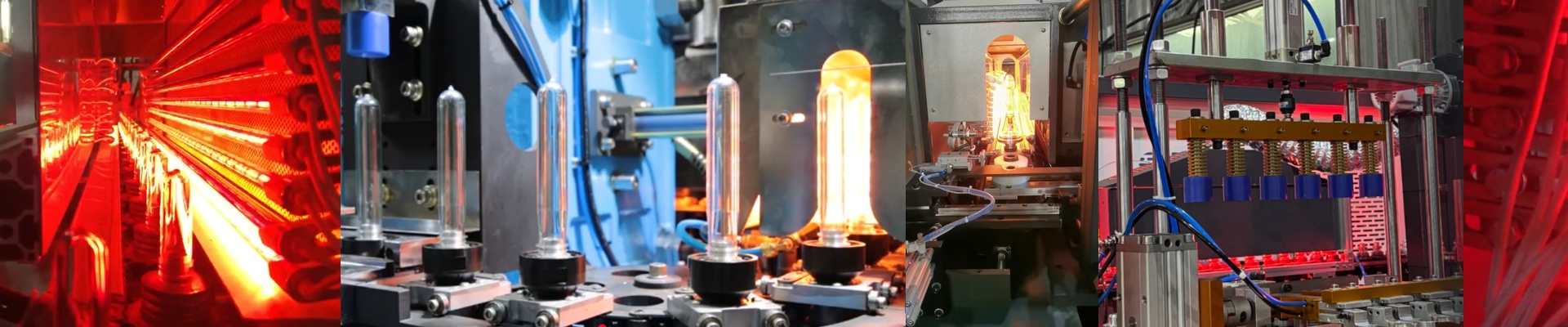
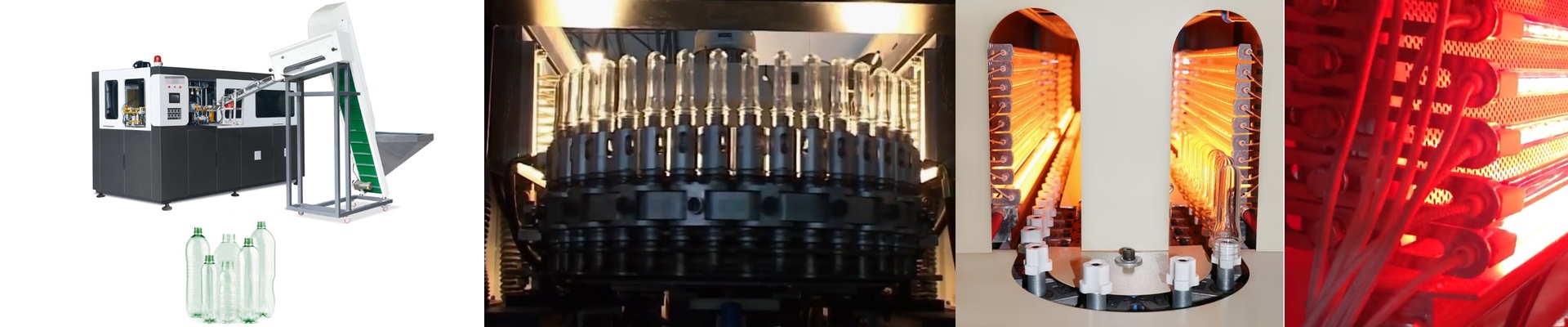
If you’ve ever swapped out lamps in a heavy-duty restaurant oven or a sterilization cabinet, you know that just matching the wattage isn’t enough. For real disinfection, you can’t be sitting around waiting for things to warm up. You need that heat to hit its peak in seconds. That’s why we lean on short-wave infrared (SWIR) technology. It’s all about that instant response. Why the physics matter Most heating elements rely on convection. The problem? Convection is slow. It’s like waiting for a room to warm up with a space heater. Our lamps do things differently. We use a tungsten filament tucked inside a quartz envelope. The moment you flip the switch, that filament hits its operating temperature almost immediately. It blasts the target surface with high-intensity radiation, meaning you don’t have to waste time heating up all the air in the cabinet first. The nitty-gritty on materials We use high-purity quartz for these tubes so the UV and IR light can actually get out. And if your setup needs a specific wavelength, we can add thin-film coatings to the glass. This keeps the energy focused right where it belongs—on the equipment you’re sterilizing—instead of just heating up the cabinet walls. One heads-up: these lamps pack a punch. The power density is high, which is great for killing bacteria, but it’s tough on your sockets. Just make sure your wiring can handle the draw. Nobody wants to deal with melted connectors. Installing them (and what to watch out for) We designed these as drop-in replacements. They use standard industrial footprints, so you can just swap them out without having to rebuild your chassis. But here is the thing: because these lamps ramp up so fast, they create some intense, localized heat. If your cabinet doesn’t have good ventilation or heat-shielding, you might warp your internal plastic parts or trip your thermal cut-offs. It’s a bit of a balancing act. You want that speed, but you’ve got to make sure your machine can handle the overall heat load.