Stop Drying Out Your Crusts: The Trick with 110V IR Bulbs
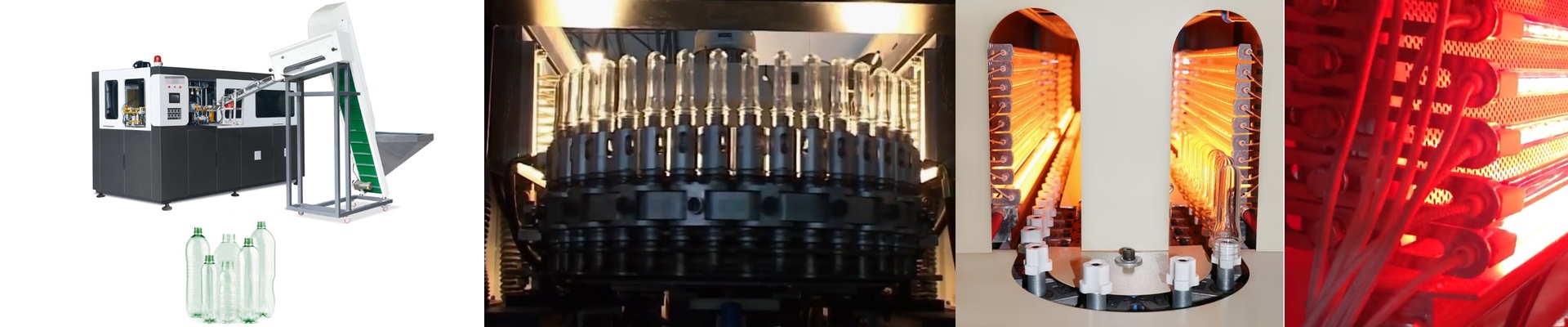
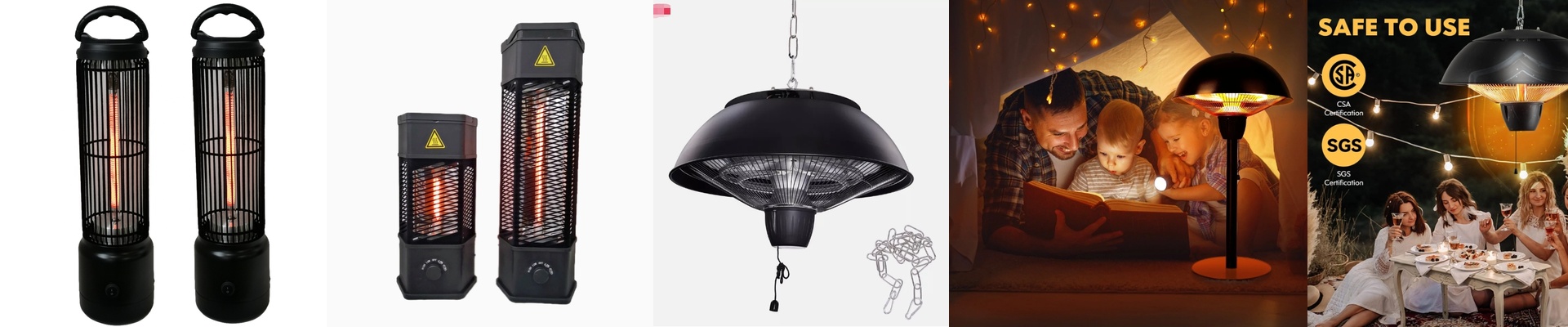
Ever pull a loaf out of the oven only to find the outside is burnt to a crisp while the inside feels… off? That usually happens because you’re relying way too much on convection. Moving hot air around is fine, but it tends to strip the moisture right out of your food. That’s why we use 110V infrared (IR) bulbs in our deck ovens. Instead of heating the air and hoping for the best, these bulbs hit the surface of the food with direct radiant energy. You get that perfect sear without turning the inside into a sponge.
How it actually works
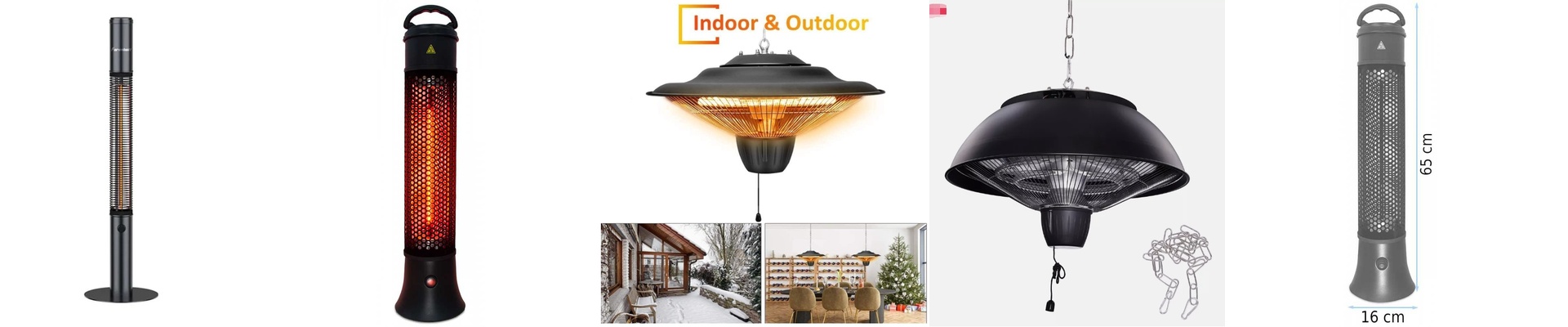
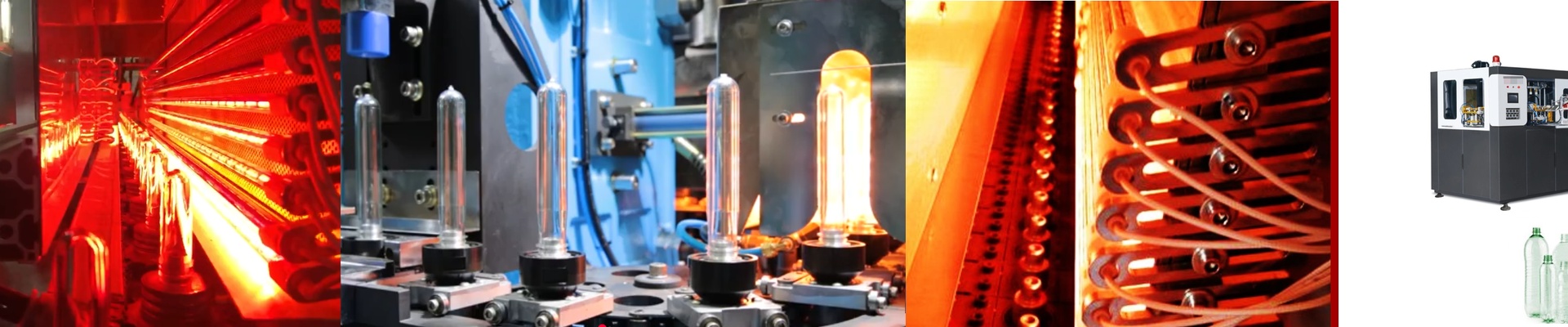
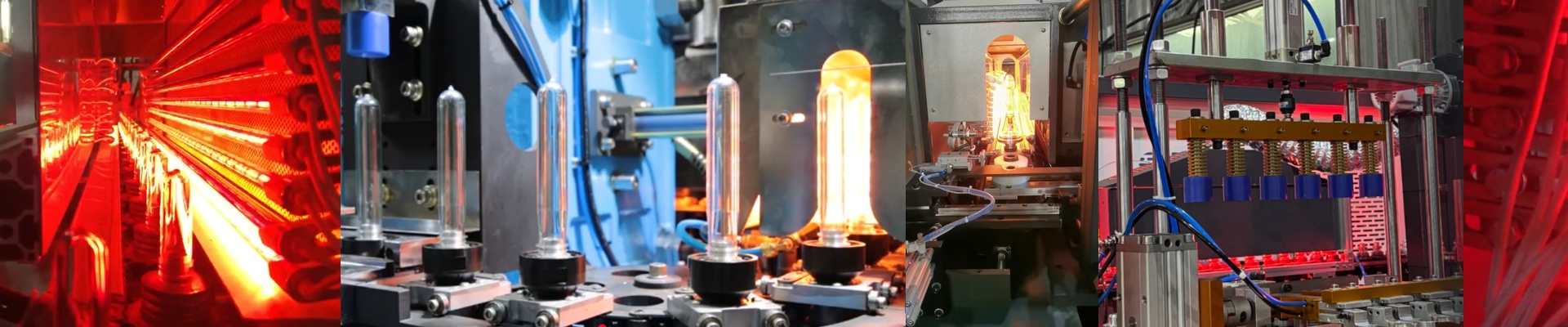
Think of it like the sun. You don’t feel the air around you getting hot; you feel the heat hitting your skin. These IR lamps do the same thing. They send out shortwave radiation that penetrates the surface of the food almost instantly. It’s fast. Really fast. And that changes everything for your workflow. The best part? You can just move the bulb closer or further away from the deck to dial in exactly how much heat you’re hitting the product with. It stops that “dried out” feeling you get during those long bake cycles.
The nitty-gritty stuff
We use high-purity quartz glass for these because, let’s be honest, rapid heating and cooling is brutal on equipment. Most of these 110V units are filled with halogen gas. It sounds technical, but all that really does is keep the tungsten filament healthy. It means the bulb lasts longer and the heat stays consistent. Plus, they usually come with R7s or spring-clip connectors, so you can just pop a new one in and get back to work.
A few things to watch out for
These bulbs pack a massive punch in a tiny space. If you want total control, you can wire them into a PID controller. But here is where people usually mess up: the housing. Because the heat is so intense, your reflectors need to be polished aluminum or stainless steel. If they’re pitted, rusty, or just dull, the heat doesn’t bounce back onto the food. It just disappears. That forces the bulbs to run hotter to compensate, which kills them way faster. Also, make sure your vents are actually working. This is concentrated heat, and if it has nowhere to go, you might find your oven chassis starting to warp. Keep it breezy, and you’ll be golden.