Getting Your IR Heating Bulbs and Oven Controls to Actually Play Nice
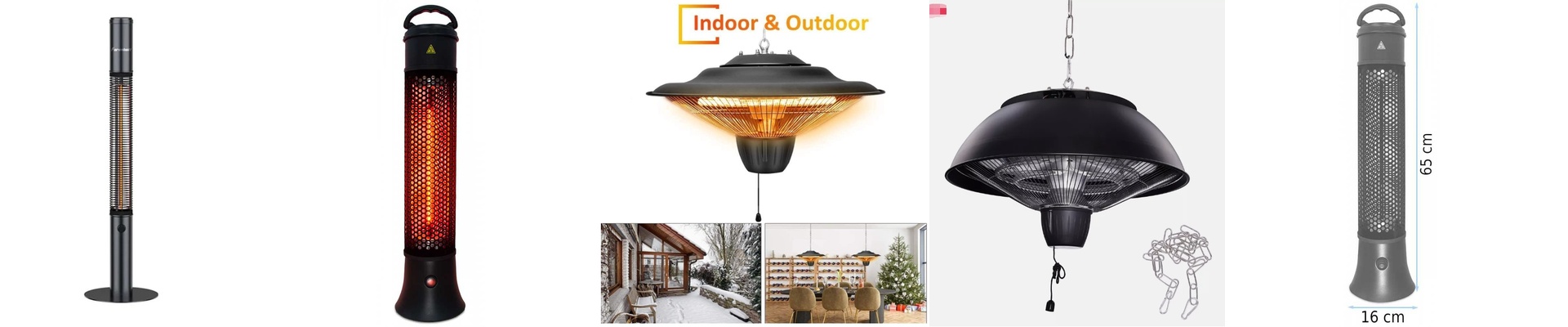
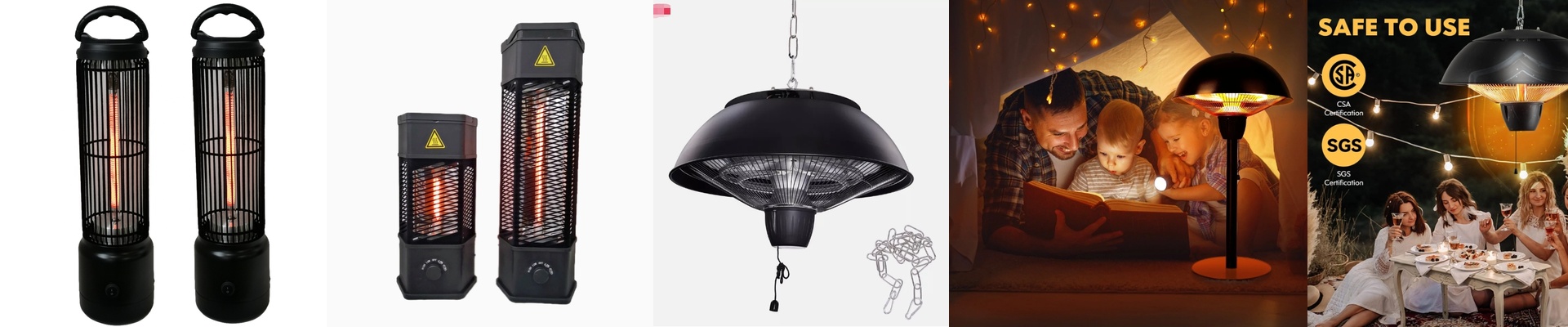
In a busy commercial kitchen, the line between a perfect bake and a charred mess is surprisingly thin. It usually comes down to one thing: how well your heating bulbs are talking to your control system. We use short-wave infrared (IR) lamps in deck ovens for a simple reason. They don’t waste time heating up the air around the food; they just push energy straight into the dough. It’s direct. It’s fast. The secret to that precision If you want your lamps and your PLC to stay in sync, you need a bulb that reacts instantly. That’s why we go with low thermal mass quartz envelopes. Basically, it means the element hits your target temperature in seconds. When your PID controller tells the power to cut, the heat drops almost immediately. No lingering heat, no guesswork. But here is where people often trip up: the voltage. If you’re running high-wattage tubes, they have to match your SCR output perfectly. If they don’t, you’ll see flickering, or worse, your filament will burn out way too soon. My advice? Use a phased-cut controller. It modulates the power smoothly. It’s a lot better than just slamming the power on and off. Fitting the hardware to the job Off-the-shelf bulbs usually fail in high-output ovens. Why? Because they aren’t built for the specific shape and size of the heating chamber. We customize the length and wattage so the heat is spread evenly across the deck. You don’t want “hot spots” where one side of the loaf is burnt and the other is raw. To make them last, we use halogen-filled quartz. It triggers a cycle that puts the tungsten back onto the wire, which keeps the filament from thinning out and snapping. As for the connectors, you can go with R7s or Sk15 depending on your wiring. Just make sure they’re tight. A loose fit creates arcs, and arcs melt your housing. Not a good look. The trade-off you have to manage We all want high heat density, but there’s a catch. When you push over 2000W through a tiny tube, you’re putting massive stress on that quartz. It’s a balancing act between how fast you want to bake and how often you want to climb into the oven to replace a bulb. If you push them too hard just to shave a few minutes off your bake time, you’ll be buying new lamps every few months. Plus, don’t forget your cooling vents. Keep them clear, or you’ll fry your socket electronics before the bread even gets in the oven.