Stop Waiting on Your Oven: The Secret to Faster Pizza
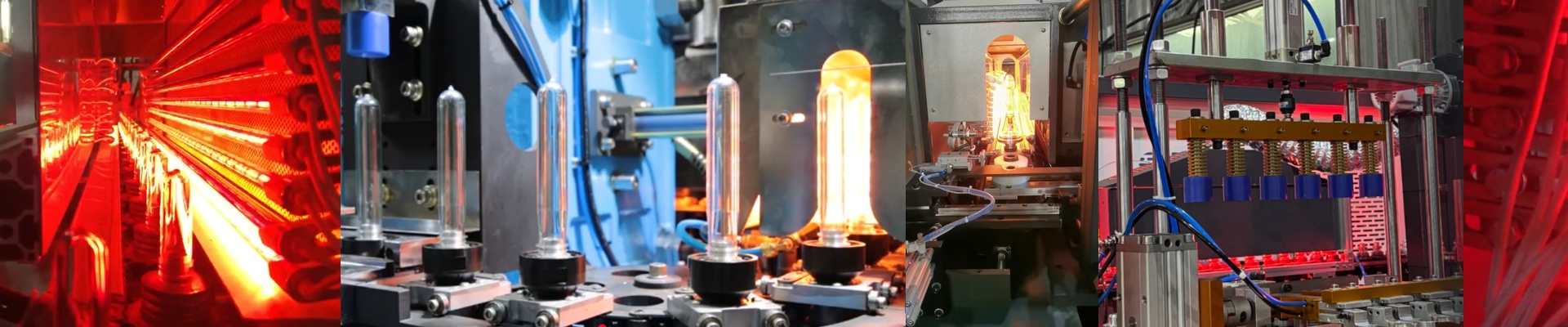
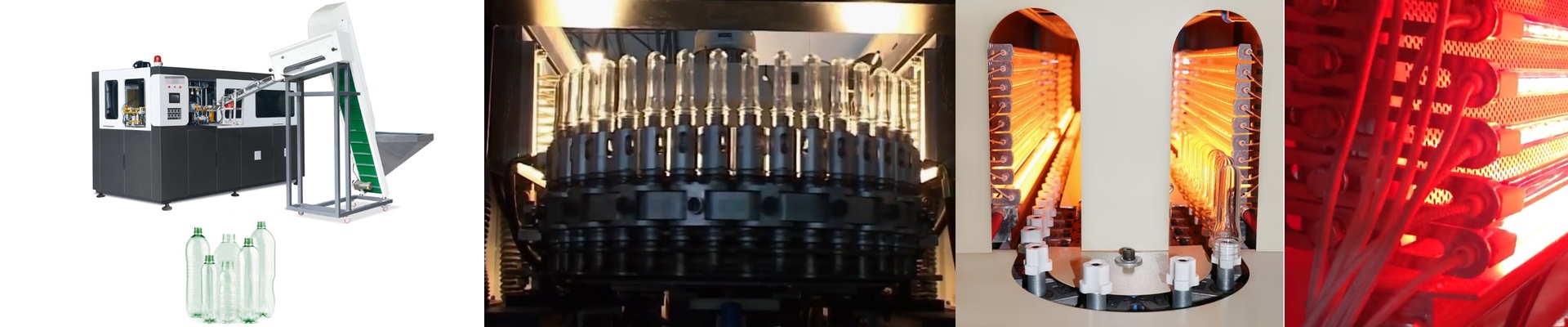
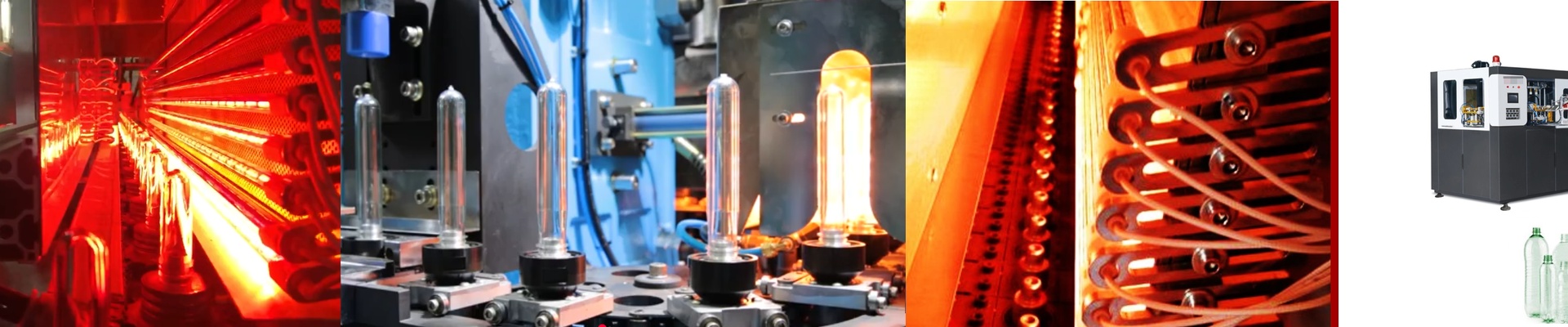
If you’ve ever run a kitchen, you know the pain of the “oven bottleneck.” Standard convection ovens are fine, but they’re slow. They rely on moving air to cook, and air just doesn’t move fast enough when you’ve got a line of hungry customers out the door. We decided to skip the air entirely. By using short-wave infrared (IR) heating tubes, we hit the dough directly. It’s a massive shift. We’ve seen production cycles drop from 300 seconds down to about 90. That’s a lot of extra pizzas per hour. How it actually works Think of it like the sun. You don’t feel the air getting hot before you feel the sun hitting your skin—you feel the heat instantly. Our IR tubes do the same thing. They send electromagnetic radiation straight into the crust. Because we put these tubes at both the top and bottom, you’re searing the cheese and crisping the base at the same time. You still get that perfect, golden-brown Maillard reaction and that satisfying crunch, but you get it in a fraction of the time. The gear under the hood We keep the hardware simple but tough. The tubes are made from high-purity quartz glass with tungsten filaments. Why quartz? Because it can handle being flipped on and off rapidly without cracking under the pressure. Depending on what your power grid looks like, we can tweak the voltage to make sure you have enough “punch” to flash-heat the surface of the pizza. And don’t worry about a total kitchen remodel. These use standard industrial connectors, so they basically just drop into your existing heating zone. You don’t have to tear apart your chassis to make this work. The catch (because there’s always one) Look, IR heating isn’t magic. It’s aggressive. If your conveyor belt is moving too slowly, you’ll torch your toppings before the middle of the dough even gets warm. It’s a balancing act. You have to sync your belt speed perfectly with the wattage of the tubes. The trick is to use a “zoned” setup. We usually suggest starting with low power at the entry, hitting peak heat in the middle, and then tapering it off as the pizza heads toward the exit. It keeps everything balanced and ensures the cheese stays gooey, not burnt.