Stopping the Cold Spot Nightmare in Steam Ovens
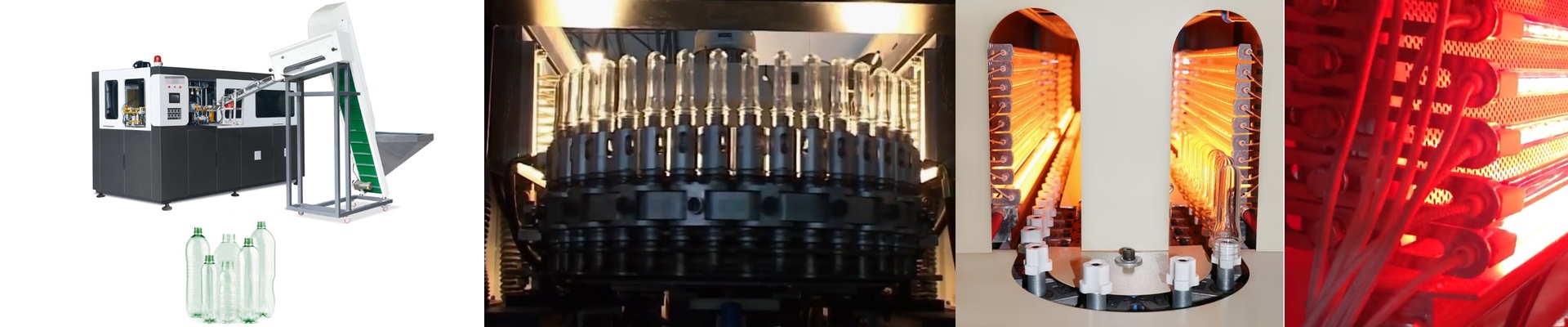
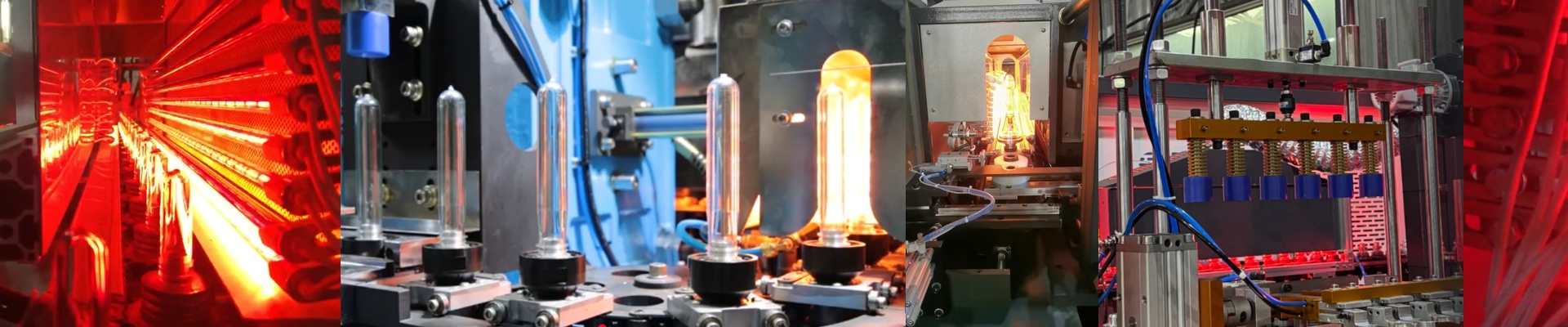
There is nothing more frustrating than pulling a batch of product out of a steam oven only to find that some parts are perfect while others are just… cold. It’s a headache. Those cold spots drive up your scrap rates and make your quality look inconsistent. The problem is that traditional convection—basically just blowing hot air around—isn’t perfect. Air gets lazy. It leaves “dead zones” where the heat just doesn’t reach. That’s why we move away from relying solely on air and bring in infrared (IR) heating bulbs.
How it actually works
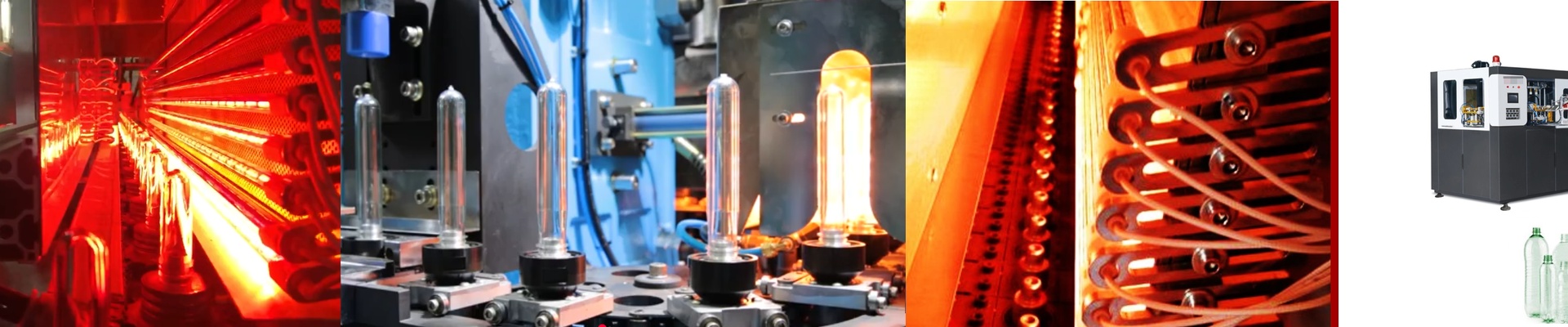
Think of it this way: convection is like trying to warm up a room with a fan. IR is like standing in the sun. It doesn’t need to move air around; it just beams energy straight into the product. We don’t just throw bulbs in and hope for the best. We map out your oven’s footprint and calculate exactly how much wattage you need per centimeter. It’s about getting the heat exactly where it needs to be so you can stop tossing out rejected parts.
The nitty-gritty stuff
We use high-purity quartz glass for the bulbs. Why? Because steam environments are brutal. Quartz can take the thermal shock without cracking. We also tune the voltage and wattage to your specific power grid, which keeps the filaments from burning out too quickly. Then there’s the “waveband” choice. If you need things to heat up fast, we go with shortwave IR. If you’re dealing with denser materials that need heat to soak deep inside, medium-wave is the way to go. Plus, we use standard connectors like R7s or Sk15. This means when a bulb eventually dies, you can just pop a new one in without having to rewire the whole machine.
A few things to watch out for
The cool part about IR is the control. You can link specific bulbs to sensors, so they only kick in when the temperature dips. It keeps everything in a very tight window. But here is the catch. IR lamps are powerful. If you crank the wattage too high just to speed up your ramp-up time, you might scorch the outside of your product before the center even gets warm. It’s a balancing act. You have to tweak your conveyor speed and dwell time to make sure you aren’t burning the surface. And one last tip: make sure you have proper shielding. You don’t want that radiant heat soaking into your internal wiring, or you’ll have a different kind of problem on your hands.