Stop Fighting Your SIPA Oven
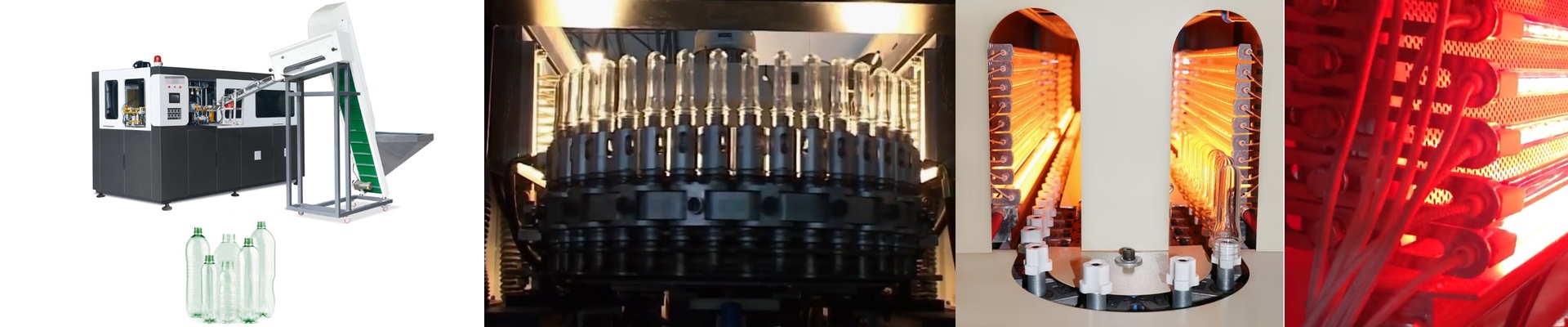
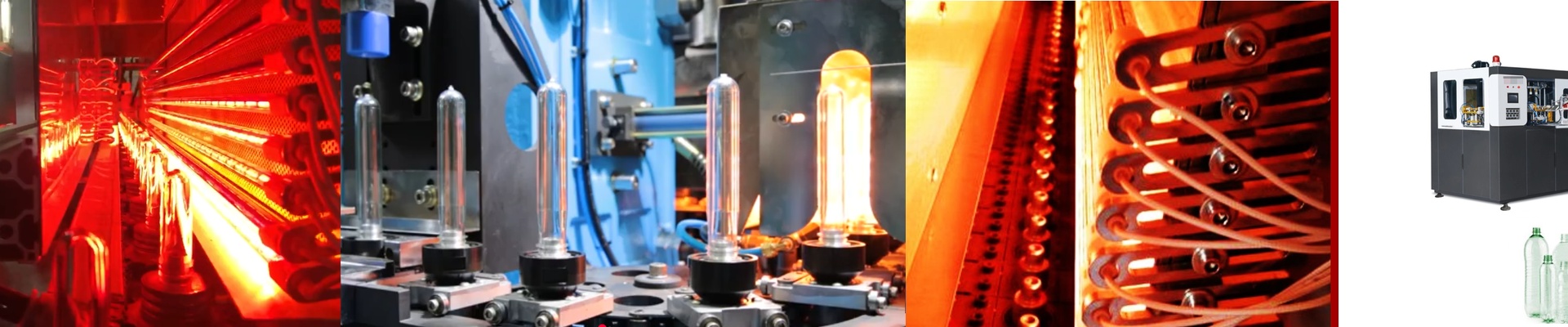
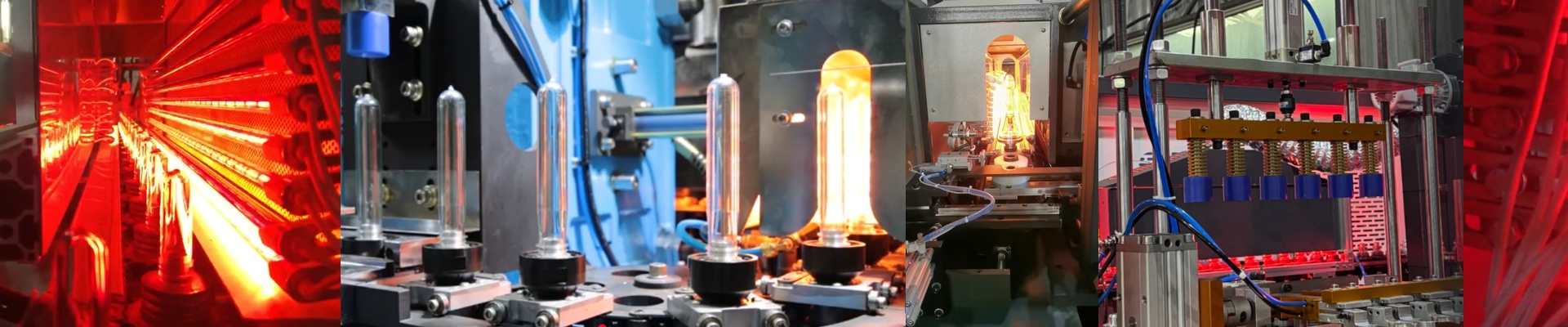
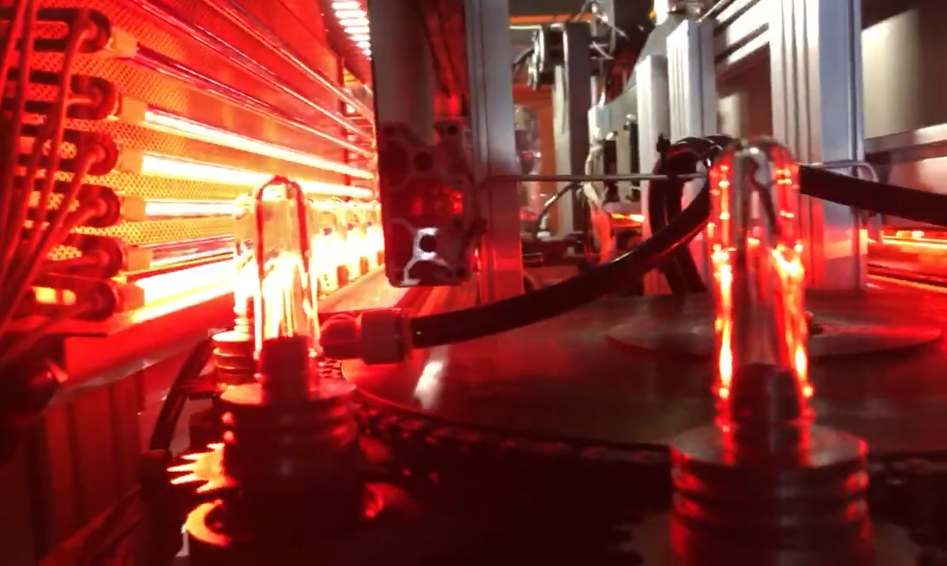
If you’re running a SIPA rotary machine and your bottles are coming out with uneven walls or failing quality checks, you probably think the oven is acting up. But here is the thing: it’s usually not the oven. It’s the lamps. A lot of shops try to save a few bucks by mixing generic IR lamps with OEM parts. That’s where the trouble starts. When you have a power mismatch—even a tiny 5% difference in wattage across your lamp bank—you get cold spots. And cold spots mean your preforms aren’t consistent. It’s that simple. The problem with “close enough” We build our lamps to hit 100% power matching. In plain English? Every single tube in your oven pulls the exact same current and puts out the exact same heat. Cheap lamps have wide tolerances. You might have one tube running at 2300W and the one right next to it hitting 2500W. You can spend all day messing with the controller, but you can’t “tune out” a physical difference in power. If the resistance doesn’t match your SIPA machine’s footprint exactly, you’re either under-heating the plastic or putting way too much stress on your transformer. Neither is a good place to be. The nitty-gritty stuff We use high-purity quartz and specific halogen fills so the heat stays stable. We also make sure the connectors fit tight. No gaps, no arcing at the terminals, no headaches. Now, a quick heads-up: these high-wattage shortwave lamps pack a serious punch. That’s why your cycle times get so fast. But all that heat has to go somewhere. If your ventilation is clogged with dust or grime, these lamps will bake your reflectors and burn out way faster than they should. Keep your vents clean, and the lamps will take care of you. What this actually changes for you These are just drop-in replacements. You wire them up, set your profiles, and the thermal variance just… disappears. The best part? You can stop chasing your tail at the HMI screen. You won’t have to spend your morning tweaking temperature settings every time a lamp burns out. You just get a stable process and bottles that actually look the way they’re supposed to.