
Stop Overpaying for PET Heating Lamps
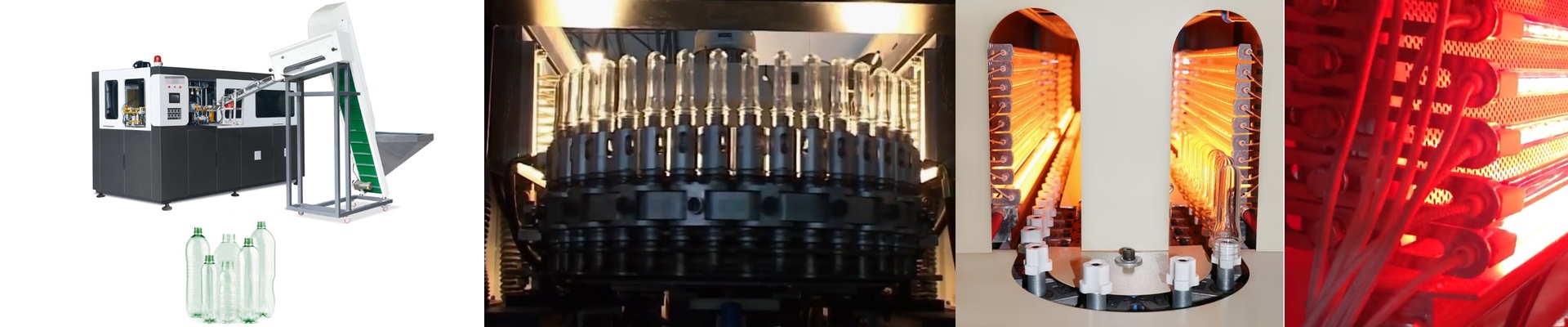
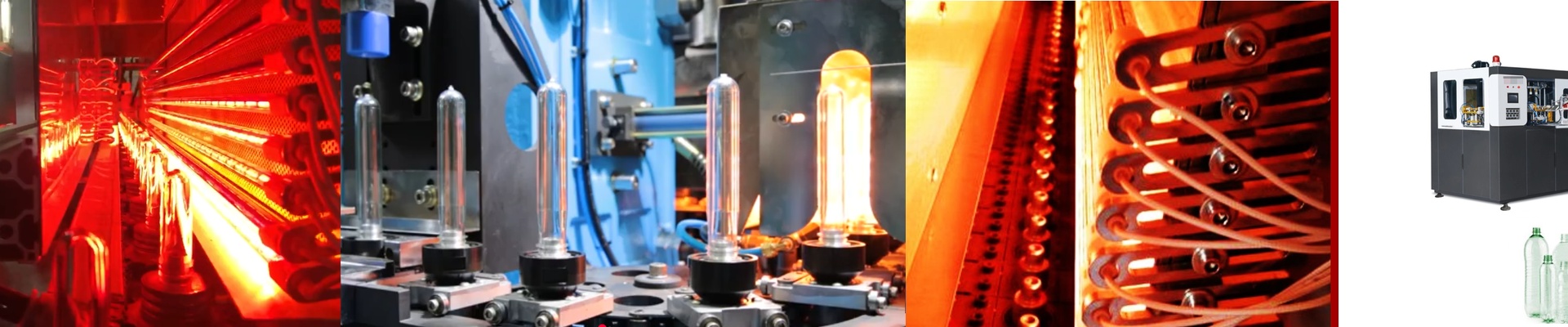
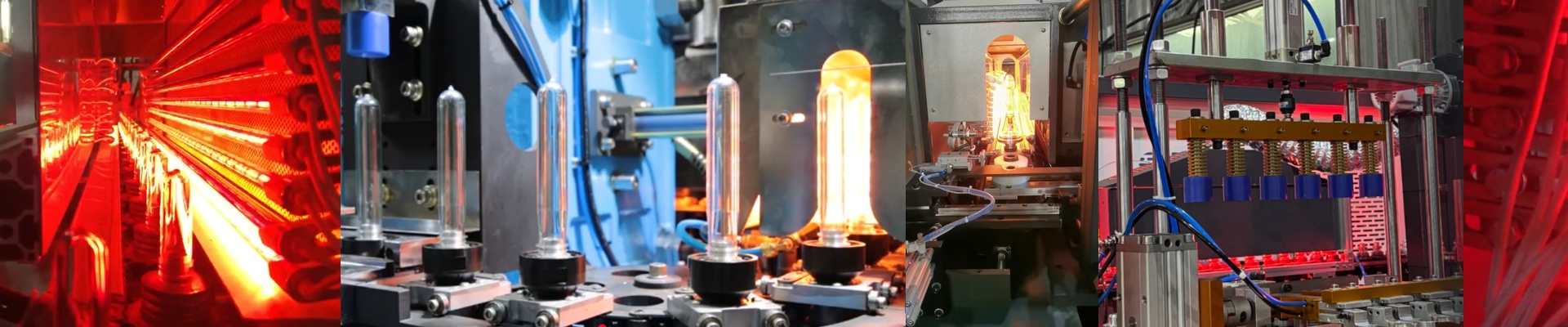
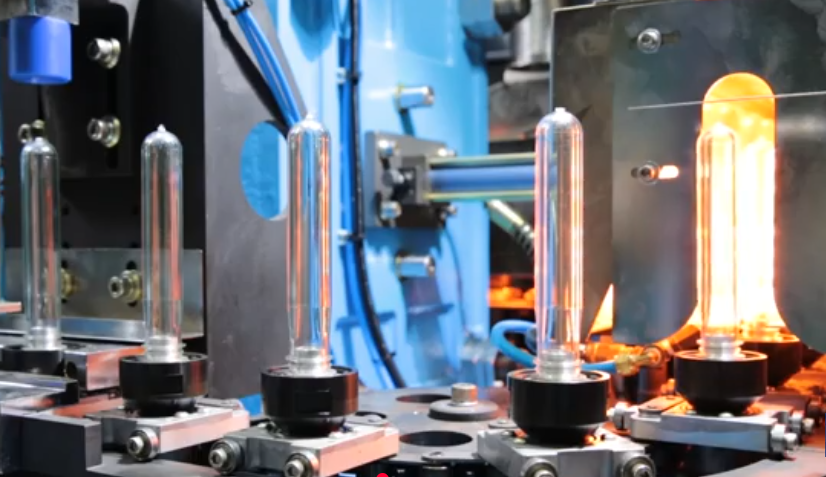
Let’s be honest: keeping those PET blowing machines running is a constant tug-of-war. You want the heat to be intense enough to get the job done, but you don’t want to be swapping out burnt-out lamps every other week. And if you’re running Sidel SBO6 or Krones Contiform machines, you already know that OEM replacement costs can be a real headache. You need something that just works—a drop-in replacement that hits the same heat specs without messing up your blow cycle. The deal with power and voltage These machines use shortwave infrared (SWIR) because it’s the only way to punch through the PET wall fast enough. We’ve built our lamps to handle the heavy voltage these industrial molders throw at them. High wattage in a small space means your preforms hit that glass transition temperature in a heartbeat. But a word of advice: don’t just crank the wattage to speed things up. If your cooling blowers can’t keep up with the extra heat, you’re going to warp your oven reflectors. And nobody wants to deal with that mess. Why the build quality actually matters We use high-purity quartz glass. Why? Because it stops the lamps from burning out prematurely. There’s a halogen cycle happening inside that keeps the tungsten filament centered, which basically means the lamp lasts longer. Then there are the connectors—usually R7s or Sk15. It’s not just about whether they fit the slot. It’s about the connection. If it’s loose, you get arcing. That leads to pitting on the terminals and, eventually, a dead lamp. We make sure the fit is tight so you aren’t chasing electrical ghosts. Getting the heat right When you slide these into the oven, the goal is uniform radial heat. If the heat is patchy, you get “thin spots” in your bottle walls. That’s how you end up with bottles bursting during the blow phase, which is a nightmare for your waste metrics. Our lamps follow a consistent infrared emission curve. That means you can keep your current oven profiles exactly where they are, but you’ll spend way less per hour of operation. The best move? Swap them out during your next scheduled downtime. It beats the hell out of an unplanned line stop.