
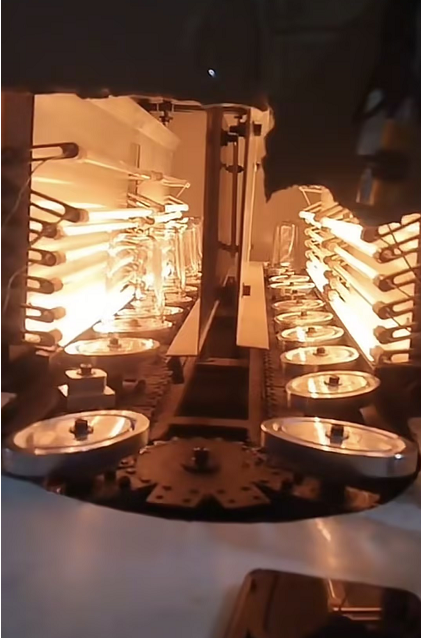
Fixing the Heat Headache in KHS Blow Molding
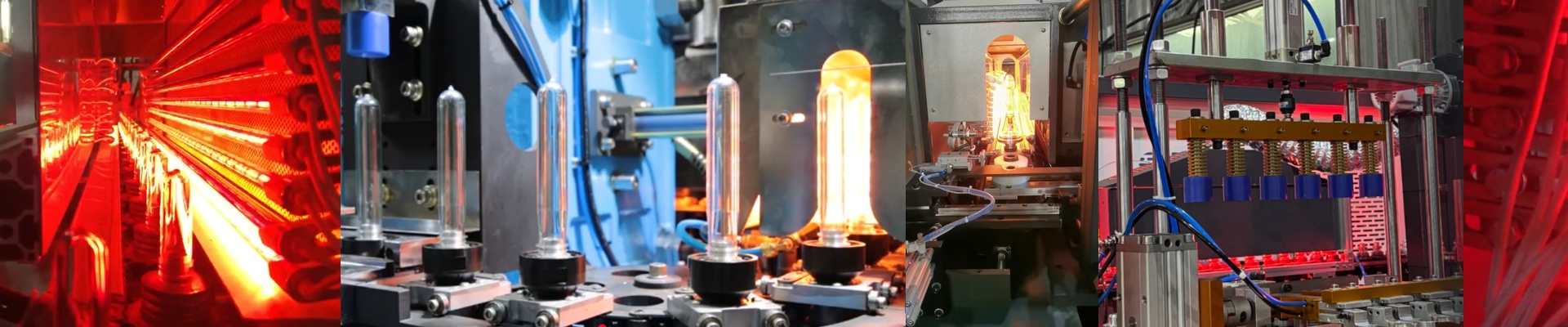
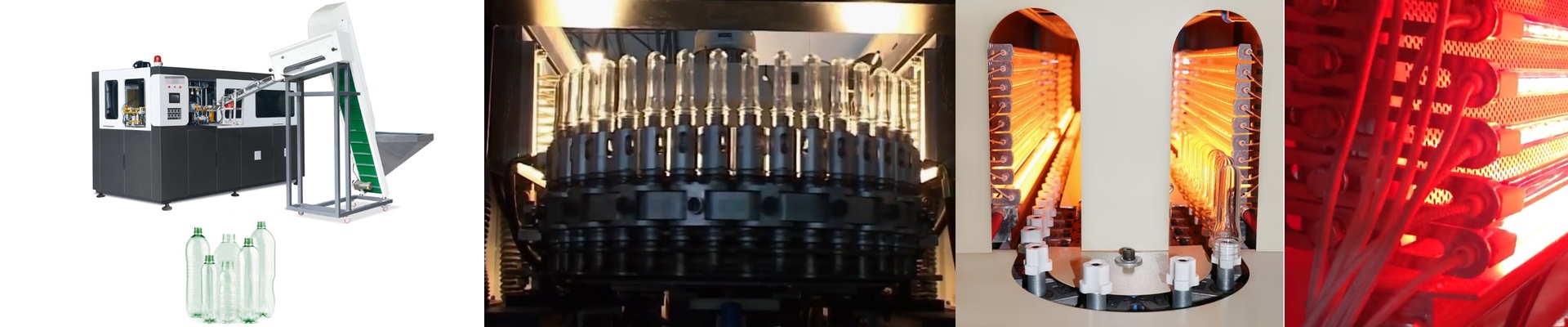
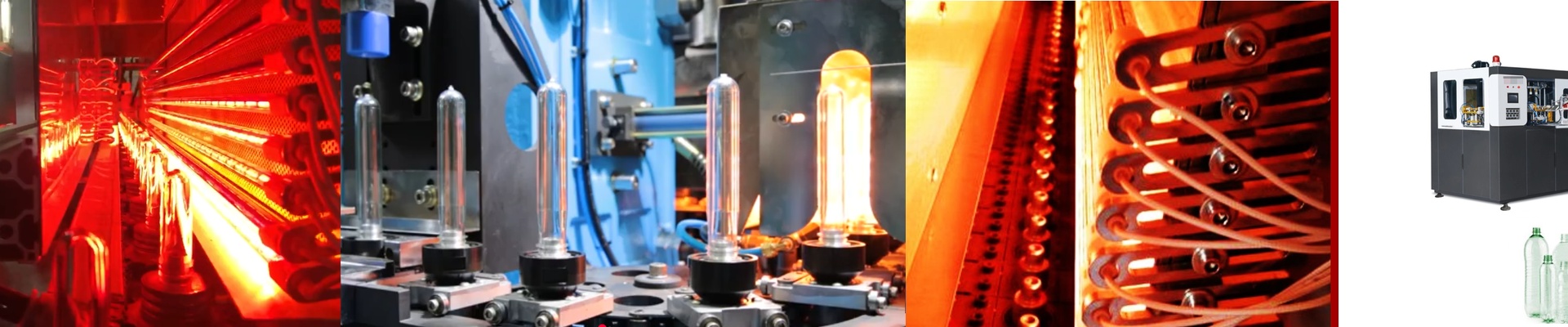
Ever looked at a batch of PET bottles and noticed some walls are thin as paper while others are thick and clunky? Or worse, you’re seeing those dreaded bursts because of a cold spot, or scorched plastic from a hot spot? It’s frustrating. When your heat field is off, your whole line suffers. The secret to fixing this isn’t magic—it’s all about how the infrared (IR) emitters are built and where those filaments actually sit. Dealing with the “End-Loss” Problem Here’s the thing: most standard lamps have a flaw. The temperature just drops off a cliff near the connectors. We call it “end-loss,” and it’s why your heating feels uneven. To stop that from happening, we wind the filaments differently. We push the heat density further toward the edges of the tube. The result? A nice, flat thermal profile that hits the preform evenly from top to bottom. But you can’t just throw any lamp in there. Your voltage and wattage have to be a perfect match for your power supply. If they’re off, you’re either under-heating the resin or you’re just burning through your lamps way too fast. For those of you running high-output lines, we spec these for a rapid ramp-up. It keeps your cycle times tight and your production moving. The Gear Under the Hood We use high-purity quartz glass because it lets the IR transmission through without any fuss. And since these are drop-in replacements for KHS setups, they use standard connectors. You just wire them up and go—no need to mess around with the housing. Depending on what resin you’re using, you might want a different wavelength. Shortwave lamps hit hard and fast, while medium-wave gives you a more controlled, steady soak. A Quick Word of Warning You might be tempted to go for the highest watt-density lamps to get more speed. Just be careful. Those lamps put a lot of stress on your reflectors. If your reflectors are pitted or oxidized, the heat doesn’t bounce back into the preform. Instead, it just wastes energy and cooks your lamp housing. Keep your reflectors clean. If you don’t, you’re leaving a lot of performance on the table, no matter how fancy the tube is.