
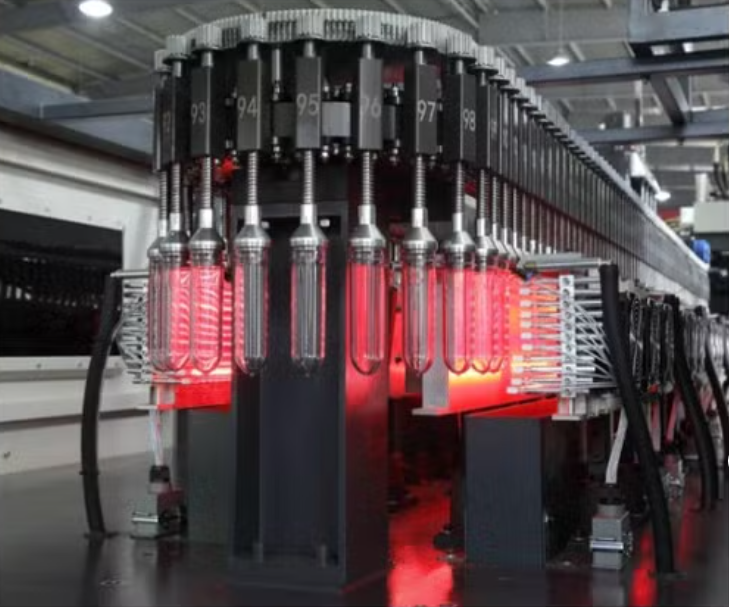
Getting Your SACMI Rotary Systems Up to Temp, Fast
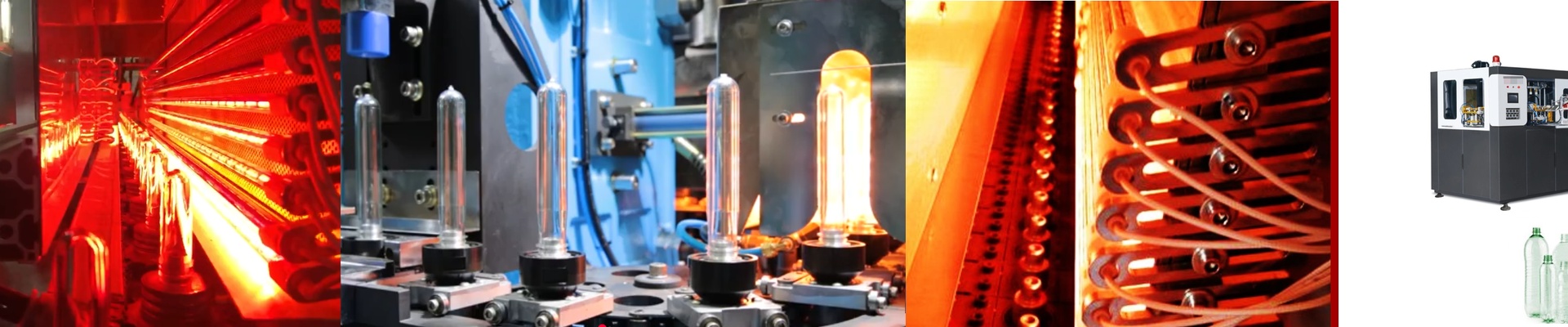
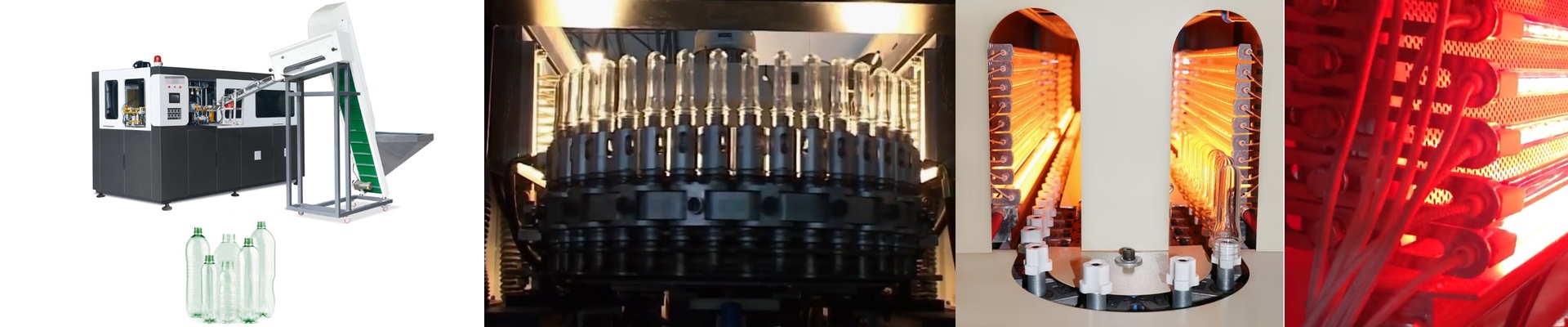
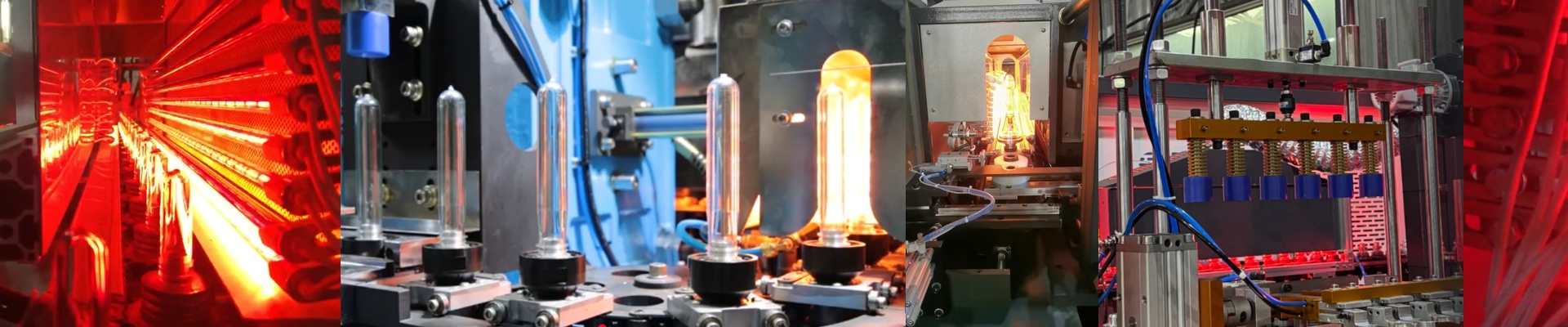
When you’re running high-frequency rotary blow molding machines like the SACMI series, you don’t have a second to waste. Thermal lag is the enemy here. If your IR lamps are sluggish and take too long to hit that peak temperature, your PET preforms just won’t get soft enough before they hit the mold. The result? You end up with thin walls in some spots, thick walls in others, or worse—bottles that don’t blow at all. It’s a headache no one needs. Cutting the wait time We tackle this by focusing on the filament mass and voltage. We use high-density tungsten filaments and dial in the voltage so these lamps hit their operating temp in milliseconds. It’s nearly instant. This means your machine keeps a tight, steady rhythm without wasting power on those long, drawn-out pre-heating cycles. The nuts and bolts of the heat To keep things from warping under all that intensity, we use heavy-wall quartz glass. It’s tough. For SACMI setups, we usually go with short-wave IR. Why? Because short-wave radiation actually sinks deeper into the PET plastic and works faster than the long-wave stuff. And since we know you’re usually in a rush, these are designed as drop-in replacements. We use standard industrial connectors, so you can swap them out and get back to work quickly during a shift change. The honest truth about lifespan Here’s the trade-off: when you push a lamp for a faster response, you’re running it at a higher current density. You get that instant heat, but it puts a lot more stress on the filament. Because of that, these won’t last quite as long as a low-wattage, slow-start tube. If you want to keep them from burning out too early, make sure your power controllers are tuned to stop voltage spikes when they first ignite. Also, check your cooling blowers. If they can’t handle the ambient heat these high-output tubes throw off, your lamp life is going to take a hit.