Stop Letting the Winter Chill Kill Your Profits
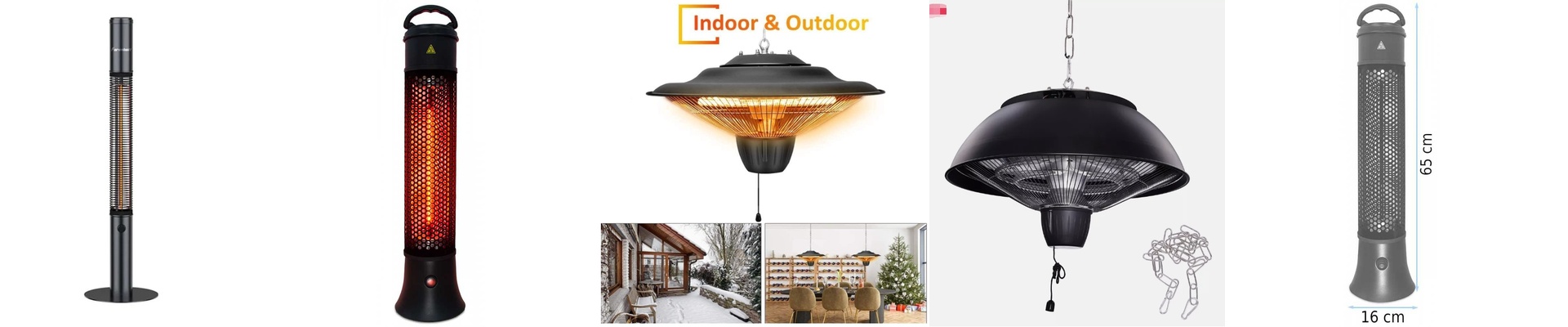
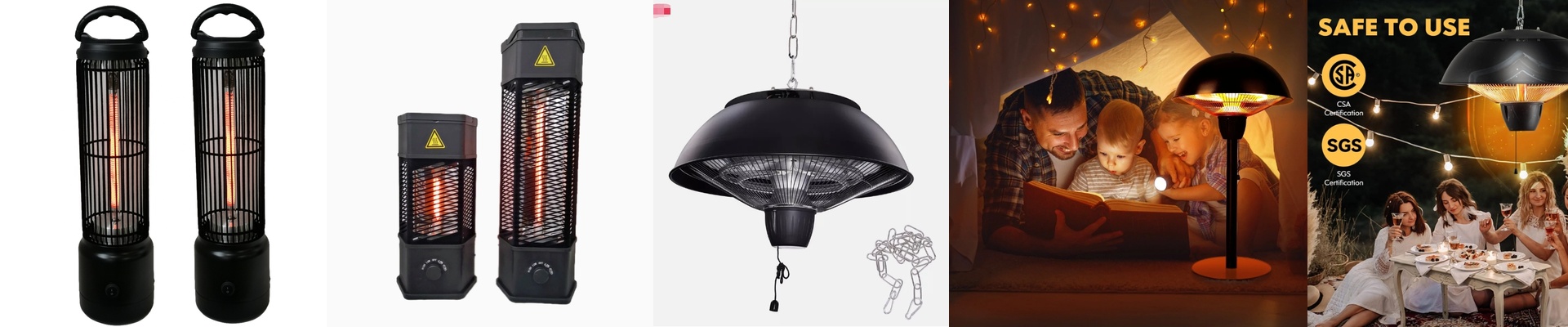
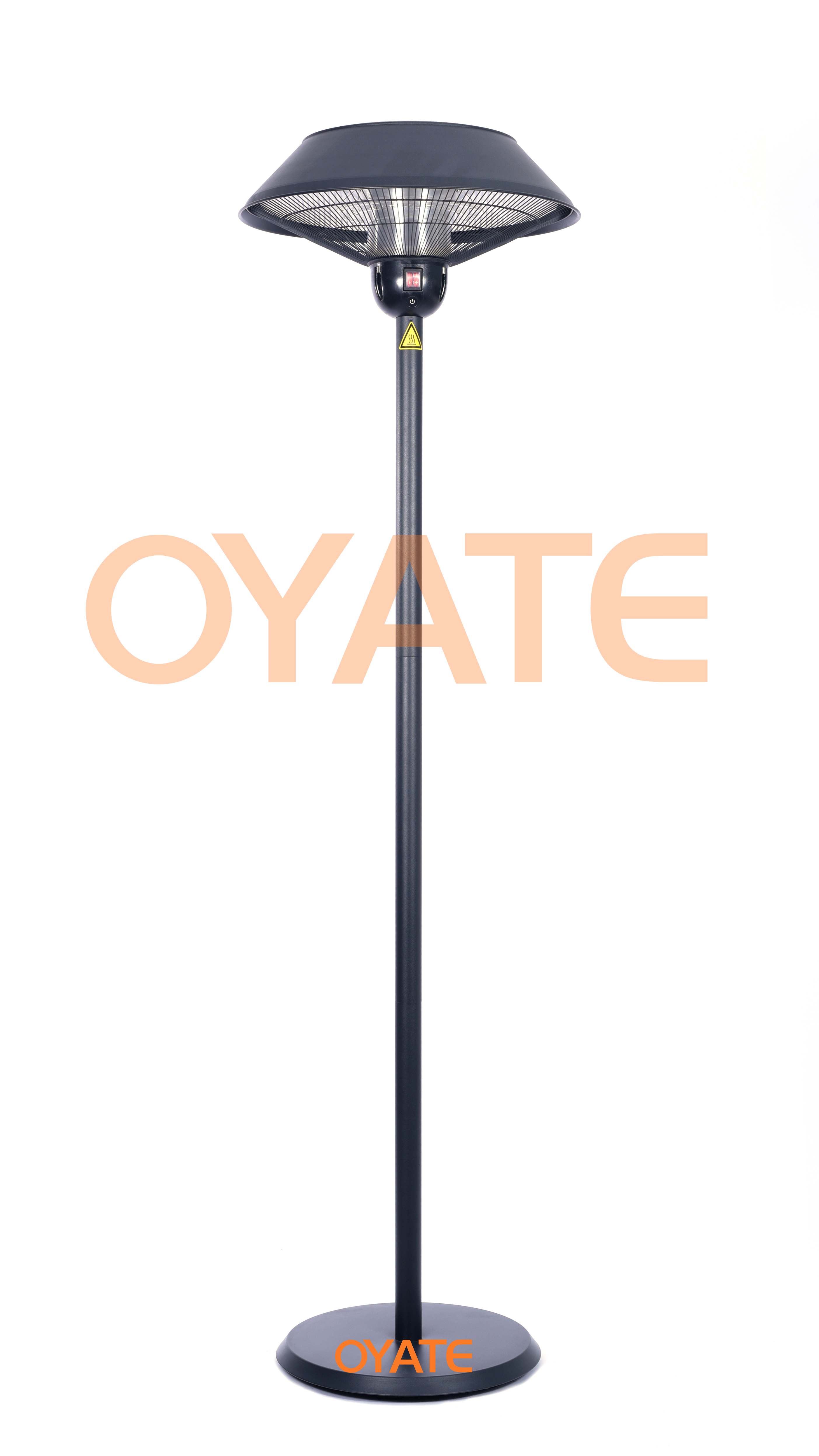
Let’s be honest: nobody wants to sit outside in the cold. If you run a restaurant with a patio, you know exactly how it feels when your outdoor seats just… sit there. Empty. It’s basically like losing a chunk of your floor space the second the temperature drops. The problem is that most heaters try to warm up the air. But if there’s even a slight breeze, that warm air just blows away. You’re paying for electricity to heat the neighborhood, and your guests are still shivering. That’s where shortwave infrared comes in. Instead of fighting the wind, these heaters go straight for the target. They warm up the people and the furniture directly. It’s that instant, cozy feeling you get from the sun. And that feeling is where the money is. When people feel warm the moment they sit down, they don’t rush through their meal to get back inside. They linger. They order that extra round of cocktails. They actually look at the dessert menu. It’s a simple shift, but it turns a dead patio into a place where people actually want to hang out, even in the middle of November. But you can’t just slap these things on a wall and hope for the best. There’s a bit of a trick to getting it right. First, you’ve got to get the power right. Depending on how high your ceiling is or how windy your street gets, you’ll probably want units in the 2000W to 3000W range. I always suggest mounting them at a 45-degree angle. If you mount them flat, you only warm the center of the table. At an angle, the heat actually wraps around the guests. One big warning: don’t get lazy with the wiring. These heaters pull a lot of power. If you try to daisy-chain them together with extension cords, you’re going to trip a breaker right in the middle of a Friday night rush. Give them their own dedicated circuits. Also, stick with industrial aluminum reflectors—they push the heat down toward the customers instead of letting it bleed off into the sky. There is a balance to strike here, though. If you hang the heaters too low, you’ll end up with guests who have toasted heads and freezing toes. It’s a weird sensation and it’s not a great vibe. You have to play with the height and the wattage until it feels just right. Also, keep in mind that the lamps don’t last forever. Depending on how hard you run them, you’ll need to swap out the elements every few seasons. It’s just part of the cost of doing business. At the end of the day, it’s about making your space usable. Why leave money on the table just because it’s chilly outside?