Keeping Your Pergola Warm (Without the Headache)
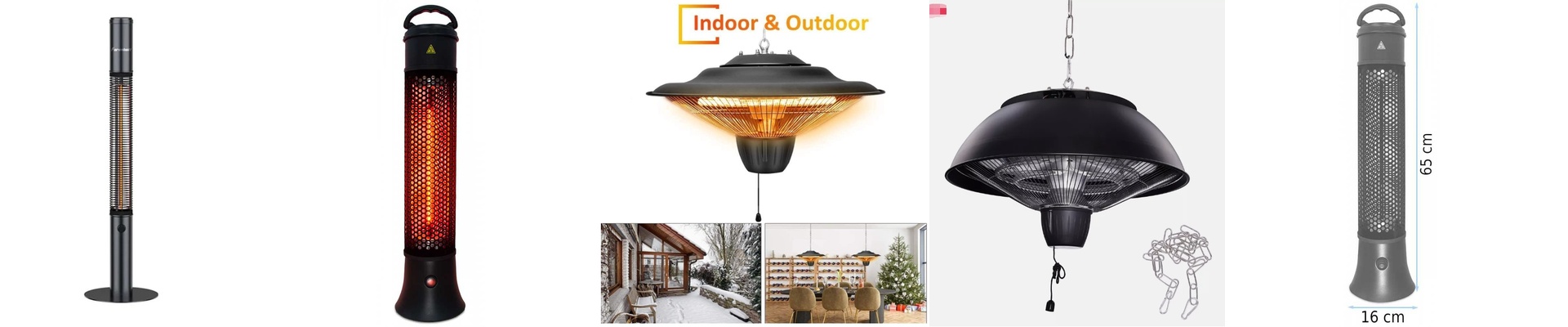
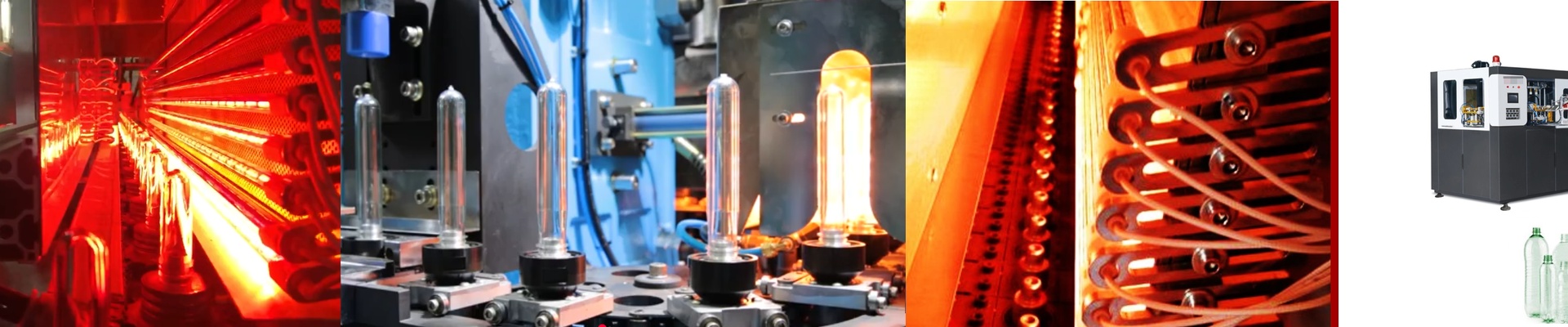
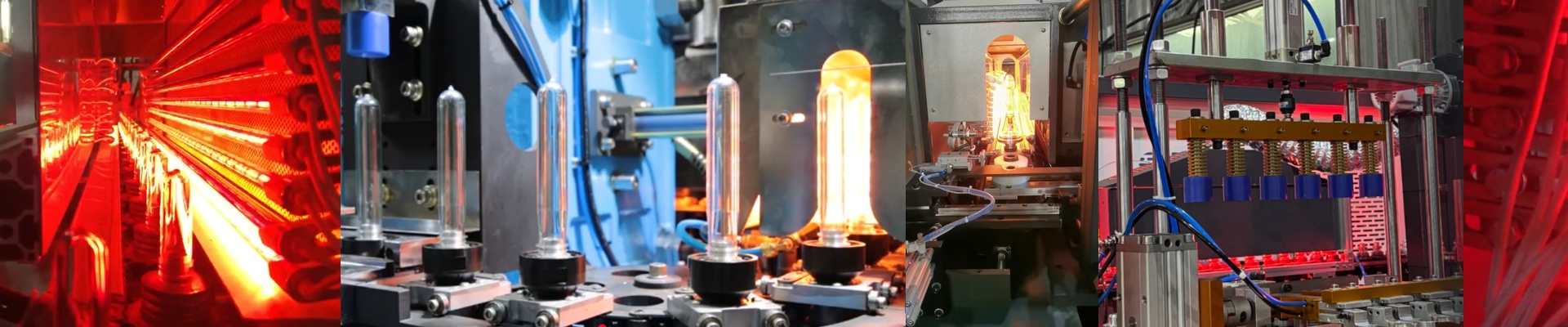
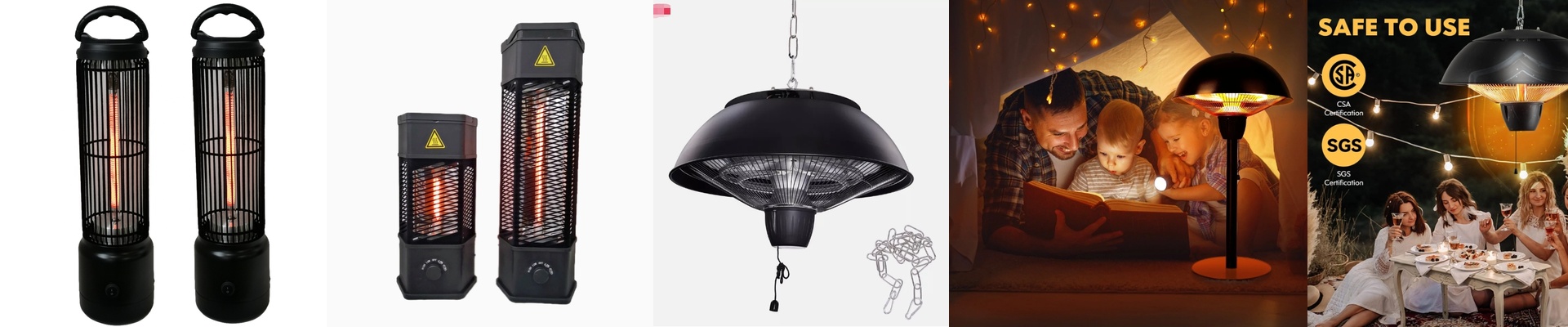
Trying to keep a pergola or an outdoor changing area warm is a bit of a losing battle. You’ve got wind stripping the heat away the second it hits the air, and moisture just waiting to fry your electronics. That’s why we lean on shortwave infrared. Instead of trying to heat the air—which is basically pointless outdoors—infrared goes straight for the people and the furniture. It’s like standing in the sun on a crisp October morning. Instant heat, no waiting If you’re stepping into a changing area, you don’t want to wait twenty minutes for a room to warm up. You want to feel the heat now. We use high-wattage shortwave emitters because they hit their peak temperature almost the second you flip the switch. Even when there’s a nasty wind chill, the heat cuts right through it. It’s fast. Really fast. Built for the rain and the rust Most heaters just aren’t built for the elements. They get damp, they short out, and they die. To stop that from happening, we use IP-rated enclosures and sealed quartz tubes. By wrapping the heating element in high-grade quartz glass, we keep oxidation away. We also use corrosion-resistant alloys for the frame, so you don’t have to worry about rust eating through your setup after one wet season. The nitty-gritty on installation We usually mount these overhead. It’s the best way to make sure the heat actually hits the people below rather than just warming up a wall. We wire them directly into the structural beams to make sure the coverage is exactly where you need it. But here is the reality check: these lamps pull a lot of power. If you’re putting in a row of six or eight heaters, you can’t just plug them into a cheap extension cord and hope for the best. You’ll trip your breakers in minutes. You need a dedicated circuit and the right cabling to keep things safe and running smooth. It’s a bit more work upfront, but it beats sitting in the dark and cold.