The Hidden Reason Your Infrared Heaters Keep Dying
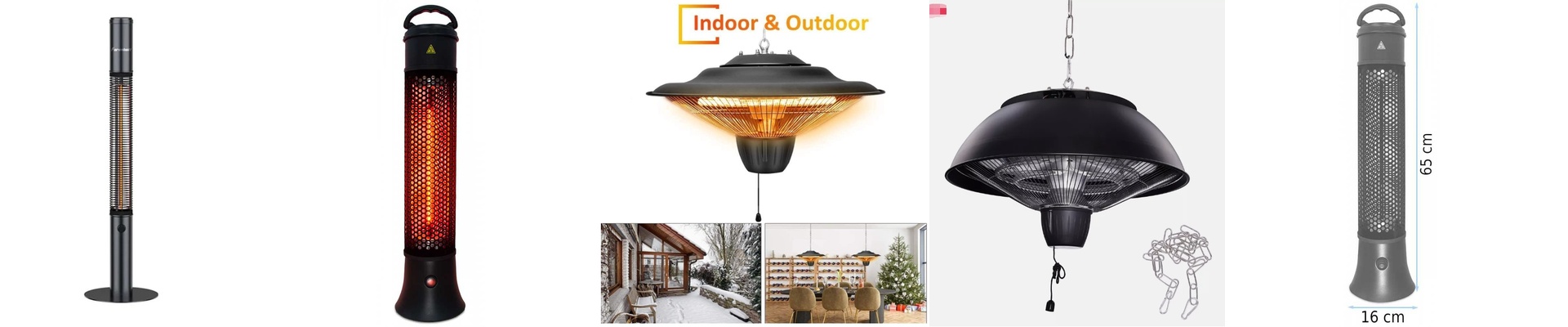
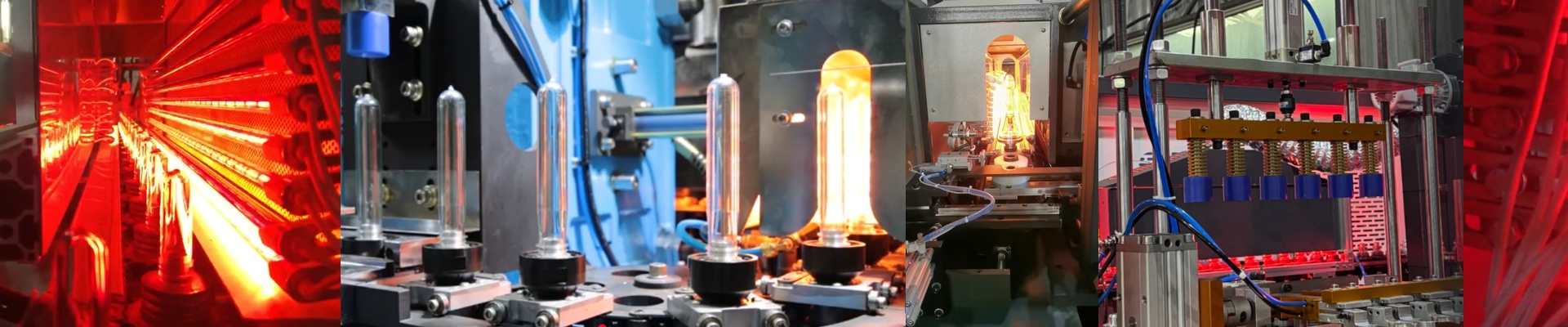
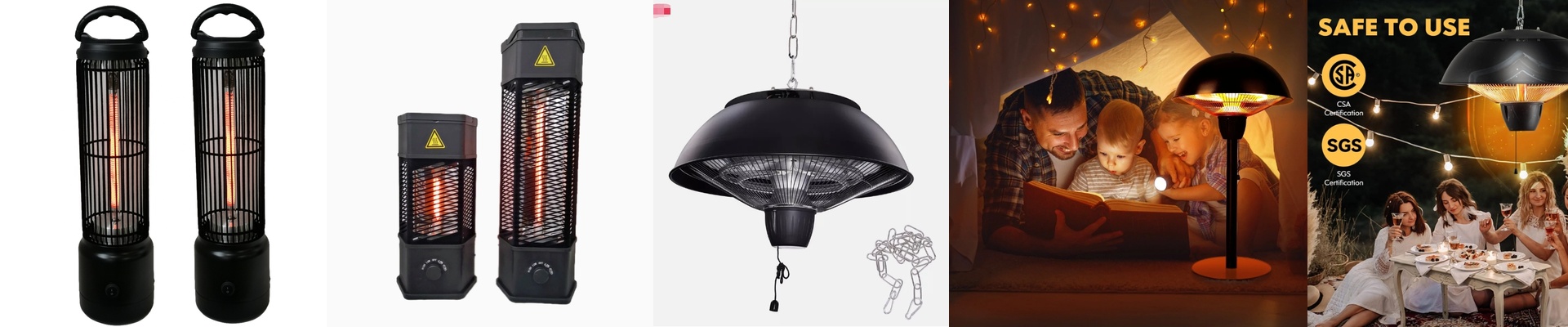
Ever wonder why so many bathroom heaters just… stop working? Most people assume the heating element burned out. But usually, it’s something way smaller and more annoying: the lead-wire seal. Here’s the deal. When you’ve got a high-wattage heater running, the spot where the electrical wire meets the quartz tube gets incredibly hot. It becomes a total heat soak. If the material used to seal that gap isn’t built for those temperatures, it starts to degrade. It cracks. It melts. And then, you’ve got a short circuit on your hands. The battle against heat and steam Standard heaters often use basic adhesives. They’re cheap, but they can’t handle the “thermal cycling” of a bathroom. Think about it. You turn the heater on—it gets scorching hot. Then you turn it off, and it cools down fast. The seal expands and contracts over and over. Eventually, tiny micro-gaps open up. And since this is a bathroom, you’ve got steam everywhere. That moisture creeps into those gaps, hits the hot wire, and pop—you’ve got an arc. We do things differently. We use OEM-grade sealing compounds that actually stay stable when things get hot. But it’s not just about the “glue” we use; it’s about how we put it on. To do it right, the seal has to be completely airtight and chemically bonded to both the glass and the wire jacket. No shortcuts. Why the process actually matters If you buy a budget heater, they usually skip the precision curing or vacuum-sealing steps. They basically just glue the wire in and hope for the best. Our process ensures the lead-wire stays perfectly centered and the sealant cures under strict temperature controls. This keeps the wire from shifting. Because if that wire moves even a little bit? It can touch the heater casing. That’s a one-way ticket to a short circuit. The honest trade-off Doing it this way takes longer. It adds an extra step to the assembly line, which means it costs a bit more upfront. But honestly? It’s worth it. It stops those random field failures that can absolutely wreck a brand’s reputation. If you’re putting these in a high-humidity environment, don’t skimp on the seal. Your safety certifications—and your sanity—depend on it.