
Why we stopped building mirror heaters as one big piece
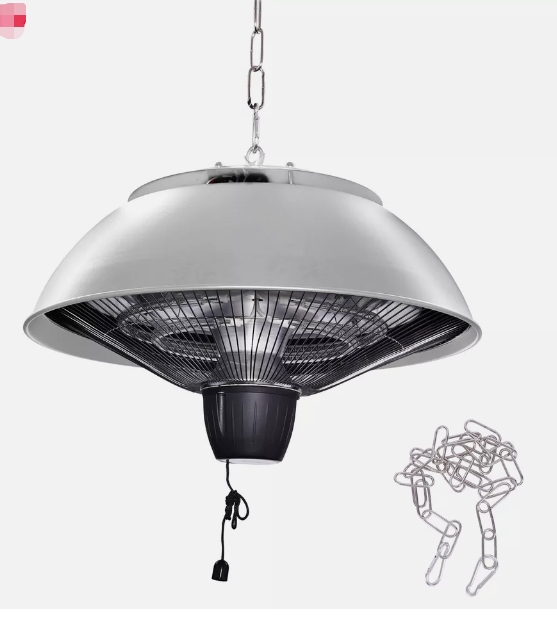
Bathrooms are brutal on electronics. You’ve got steam, humidity, and temperature swings hitting your gear every single day. It’s a lot for a heating element to handle. To get around this, we started using infrared modules. They heat up fast, and they give us way more control over the temperature. The problem with the “old way” Most mirror heaters are built as one solid unit. The issue? If one tiny section burns out, the whole thing is trash. You have to scrap the entire assembly. We thought that was crazy. So, we went with a modular layout. Each heating element has its own spot. If a tube gives up the ghost after five years, you don’t have to rip the mirror off the wall or tear apart the mounting frame. You just pull out the dead module and slide in a new one. It turns a nightmare afternoon into a two-minute fix. Plus, you’re only paying for the part that broke, not a whole new electrical system. The heat struggle To get that fog to vanish instantly, we need a lot of heat in a very small space. But there’s a catch. When you concentrate heat like that, your materials have to be able to take it. If you use cheap plastic for the frame, it’s going to warp. Simple as that. That’s why we stick to high-temp polymers or aluminum heat sinks. It keeps the excess heat moving away from the edges of the glass so nothing melts or cracks. Keeping it running We wanted the wiring to be brain-dead simple. We use standard connectors, so there’s no messing around with soldering irons while you’re standing in a bathroom. This is really about making the 5-year maintenance check easy. Instead of a complex teardown, a tech just opens the back panel, swaps the infrared tube, and checks the circuit. It’s not a “repair” anymore—it’s just a quick part swap.