


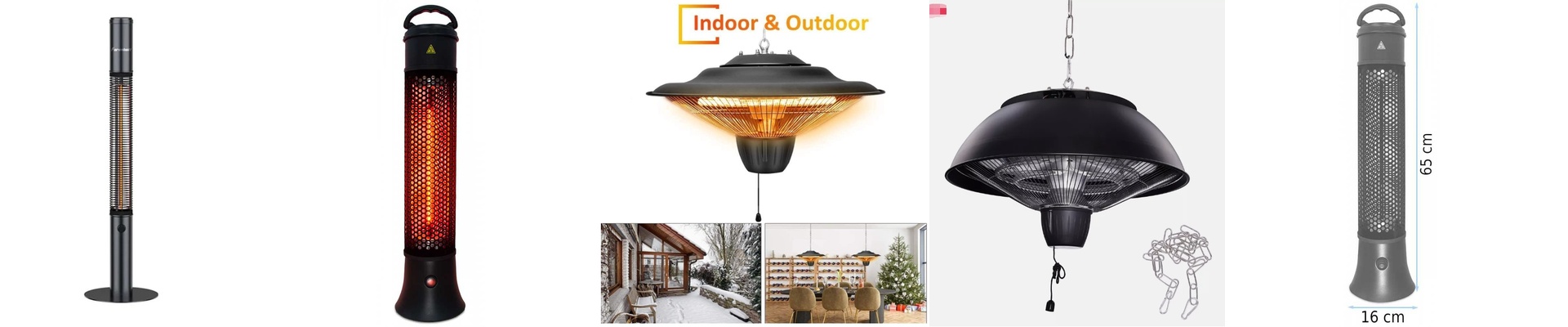


Sunrooms are meant to be a quiet escape—glass walls, soft light, and a steady warmth that lets you enjoy the outdoors without the bite. But a lot of heaters leave you feeling dried out, that tight, prickly feeling on your skin. Often, it comes down to spectral purity. Lower-quality infrared units throw out a broader spectrum that feels hot, sure, but it can be harsh.
What matters under the hood
We built our sunroom infrared heater with comfort first, and that means a skincare-minded approach. We use high-purity quartz elements tuned for a cleaner infrared profile, so the radiant heat targets people and furniture, not just surface overheating. The payoff is gentle, even warmth—less of that harsh glare that makes long sessions a chore. Output is managed by a thermostat for steady comfort, and safety is covered with tip-over protection and a sealed housing that can take the humidity typical of sunrooms.
Why it fits a sunroom
In a sunroom, comfort needs to be close and consistent. You want warmth that shows up fast, stays balanced, and doesn’t force you to live under a blanket. Clean-spectrum infrared heat spreads across chairs and floors without blasting air around, so you can read, stretch, or entertain without constantly chasing the thermostat. It also keeps the room feeling the way sunrooms should—quiet, clear, and naturally bright—because it heats efficiently without stirring up drafts.
Practical setup notes
For the best results, place the heater so the beam of warmth covers the main seating areas, and keep a clear clearance around the unit. Most sunrooms run on standard household circuits, but if you’re running it alongside other high-wattage devices, check your breaker load. One real-world tip: infrared warmth performs best in open, glass-heavy spaces when you pair it with a thermostat setting that matches the room’s steady temperature. Give yourself a few minutes to dial in the sweet spot.