
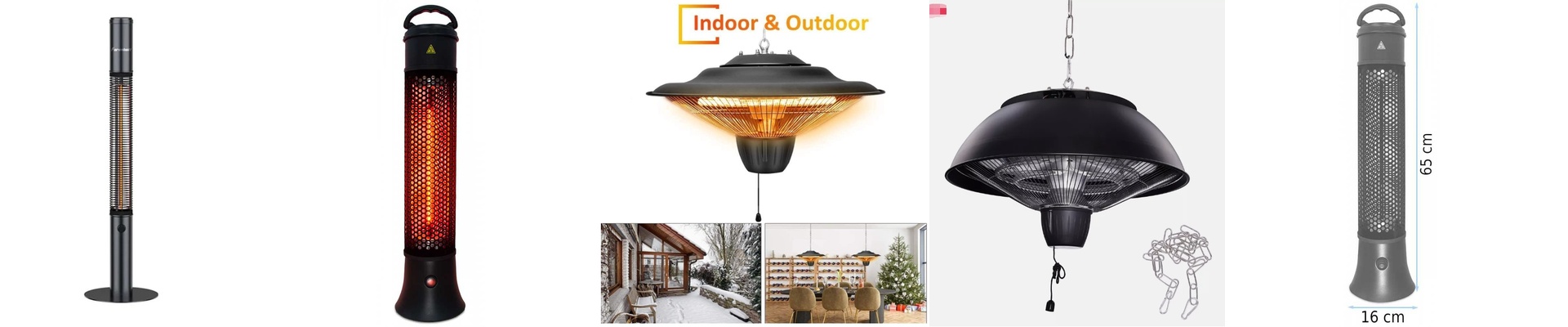


Basement air has a way of turning comfort into a negotiation. You feel the chill first, then the damp that just hangs on walls and furniture. Forced-air systems can feel heavy and expensive to run, and they often leave the air feeling even clammy. The practical fix? A low-wattage wall-mounted infrared heater—quiet, targeted, and surprisingly effective. What matters technically Infrared warmth radiates heat directly to people and surfaces, not to the whole air volume. A low-wattage unit—typically 300–600W—uses a carbon fiber or quartz element to deliver instant radiant heat with minimal energy draw. You get fast heat-up, directional coverage, and a simple plug-in setup on a standard outlet. Most models include an adjustable thermostat and built-in safety, like tip-over protection. Because the heating is localized, it doesn’t have to fight basement humidity by over-drying the air. Why this works in a basement is two-fold. You feel warmer right away, because radiant heat warms your body and nearby surfaces. And by keeping surfaces from going bone-cold, you cut down on that clammy, condensation-prone feel. The low wattage keeps running costs down, and wall-mount clears floor space—ideal for storage areas, laundry zones, or a small home gym. Here’s the thing with infrared: it’s directional. Point the heater where you actually spend time. For full-room comfort, pair it with a gentle dehumidifier. Installation is straightforward—mount on a dry wall, respect clearances, and use a dedicated circuit when you can. Avoid tucking the unit behind furniture or curtains that block airflow and create heat buildup. Infrared heating is efficient, but it isn’t a whole-home replacement for very large or extremely cold basements. Think of it as the smart, targeted layer that makes the space usable now.