
When the dinner rush hits, a cold patio doesn’t just chill guests—it quietly costs you full tables. You need warmth that shows up fast, holds steady, and keeps people lingering over dessert instead of pulling on coats. That starts with matching infrared output to the actual space—how it’s laid out, how exposed it is, and how much heat it bleeds—not just guessing at wattage.
What matters, technically
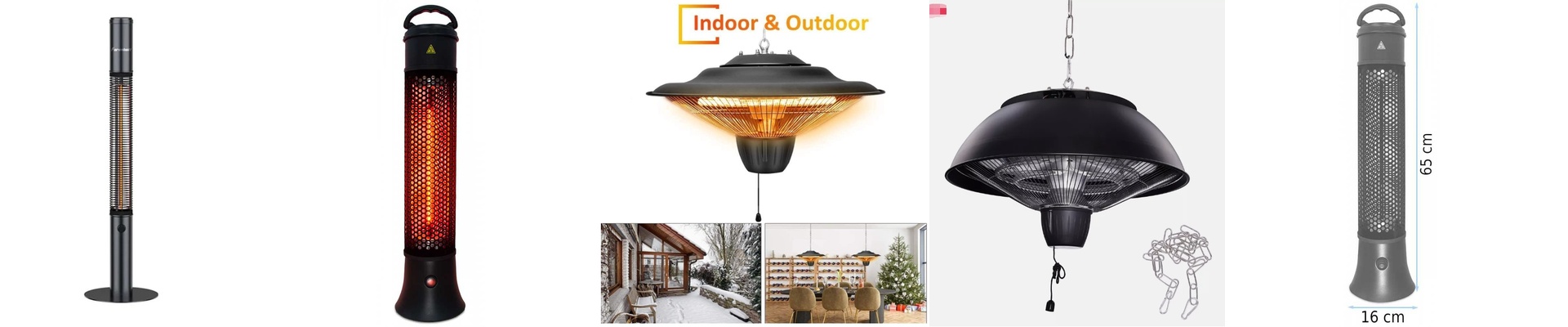
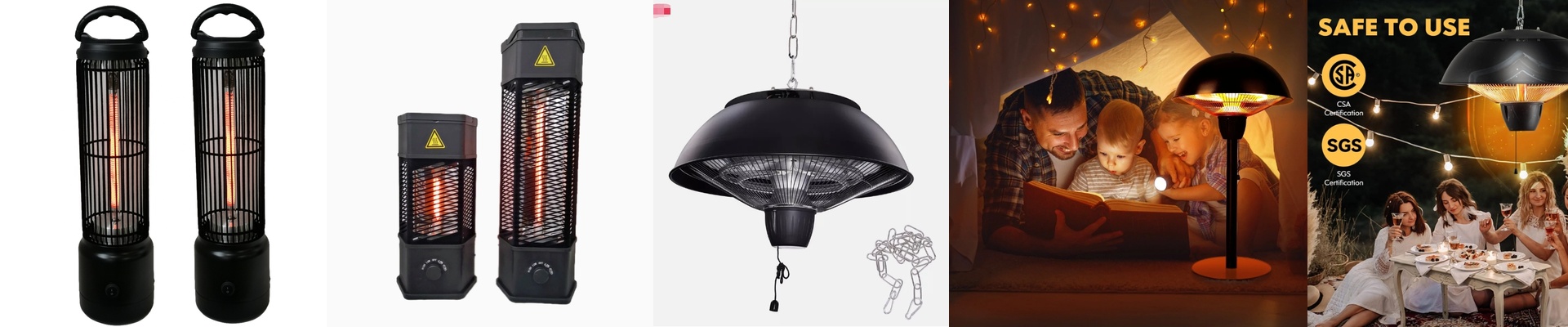
Infrared patio heaters deliver comfort by radiating heat straight to people and surfaces, not by trying to warm the air. In commercial use, the real decision points are the right element and the right power. Quartz tubes and carbon fiber elements throw immediate radiant warmth and handle frequent on/off cycles without flinching. A good rule of thumb for outdoor coverage is roughly 10 watts per square foot, but orientation changes the math. If your patio faces north or sits in the wind, heat loss climbs—lean toward the higher end of that range. Pair the heater with a thermostat so output stays consistent, and make sure the IP rating is truly outdoor-ready. IP34 or higher is the practical baseline for rain and wind-driven dust.
Why this works in a restaurant setting
A restaurant patio runs on repeat business, and comfort is part of the experience. When infrared power is matched correctly, tables stay warm as the evening drops, so service doesn’t stop at sunset. You get faster turnover because guests aren’t waiting around to feel comfortable, and the seating area stays even—staff can work without constantly adjusting things. Radiant heat feels immediate, and because the system is controlled, it runs only as much as needed.
The things you’ll want to get right
Infrared heat is directional, so plan mounting height and beam spread carefully. The goal is even coverage—no searing hot spots, no cold corners. Most electric units need a dedicated circuit, and you should calculate total load before you start adding multiple heaters. And here’s the practical catch: infrared heaters are quiet and clean, but they don’t warm objects in shadow as effectively. Placement matters. Match the heater to your layout, and that patio becomes a season-extending asset you can count on.