
Voltage swings in a home are sneaky. A quick surge can cook elements, and a dip makes the heater strain—shortening its life and turning comfort into a guessing game. In a baby’s room, you can’t afford that kind of inconsistency.
What matters under the hood
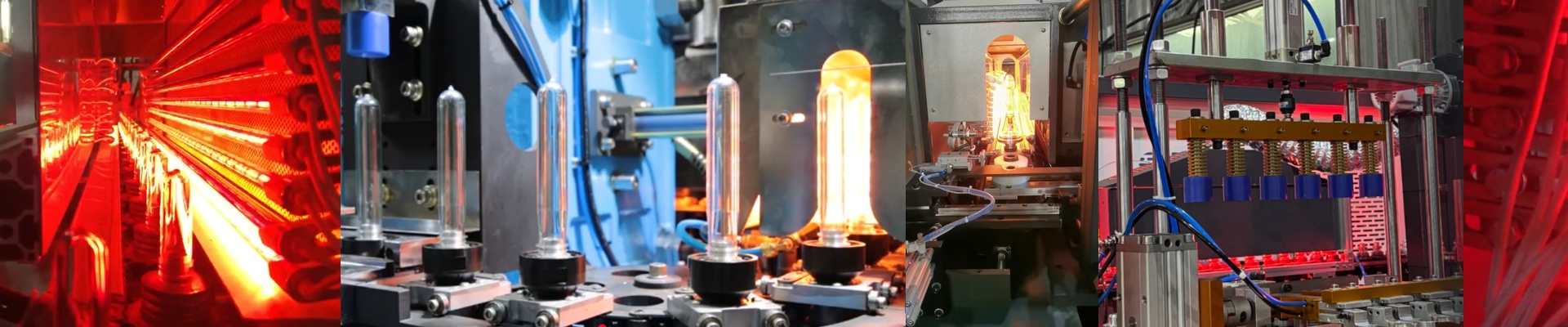
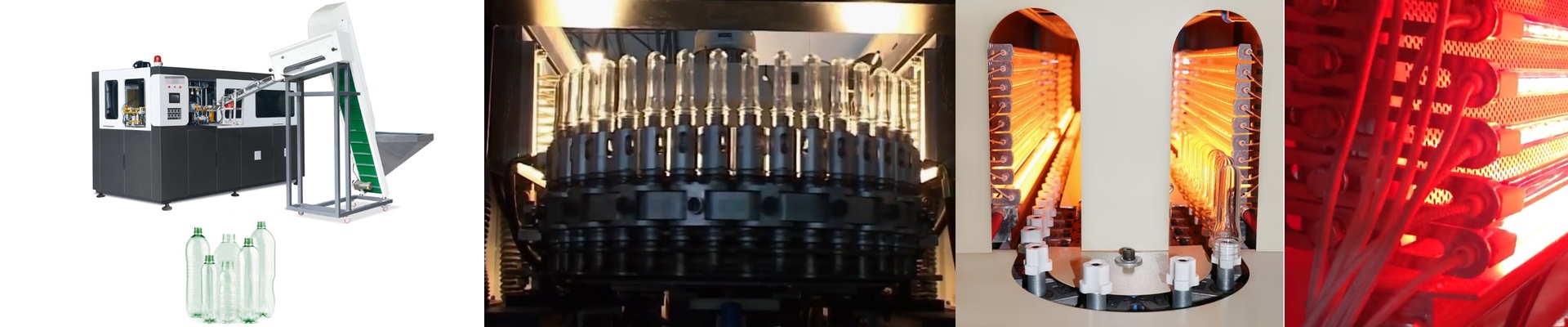
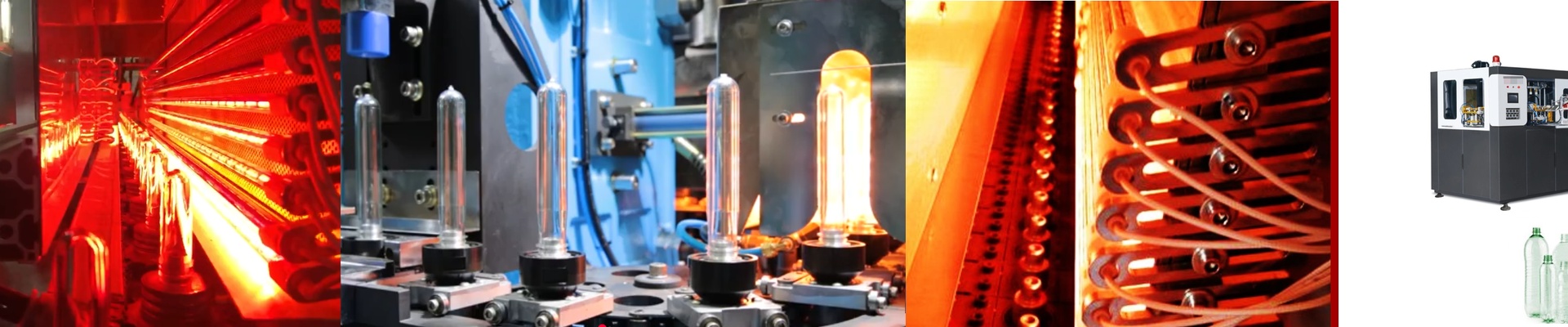
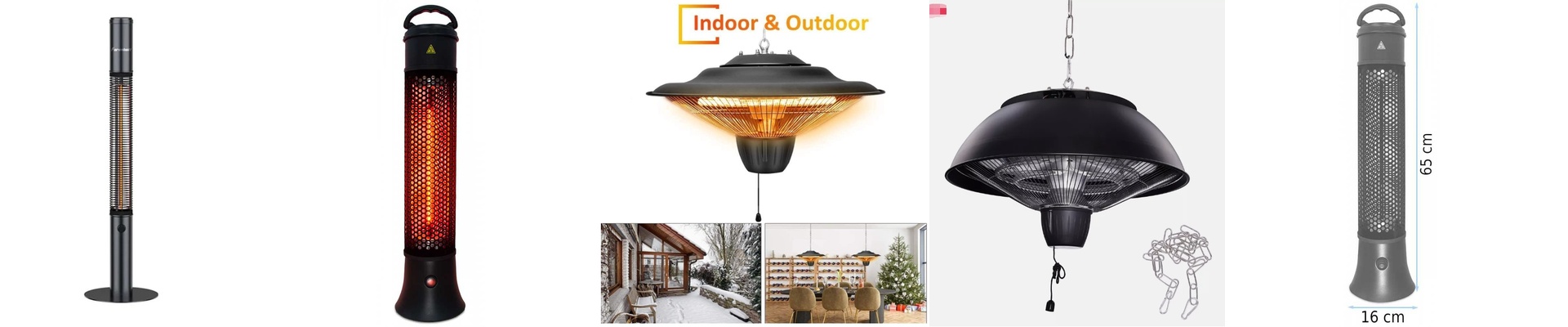
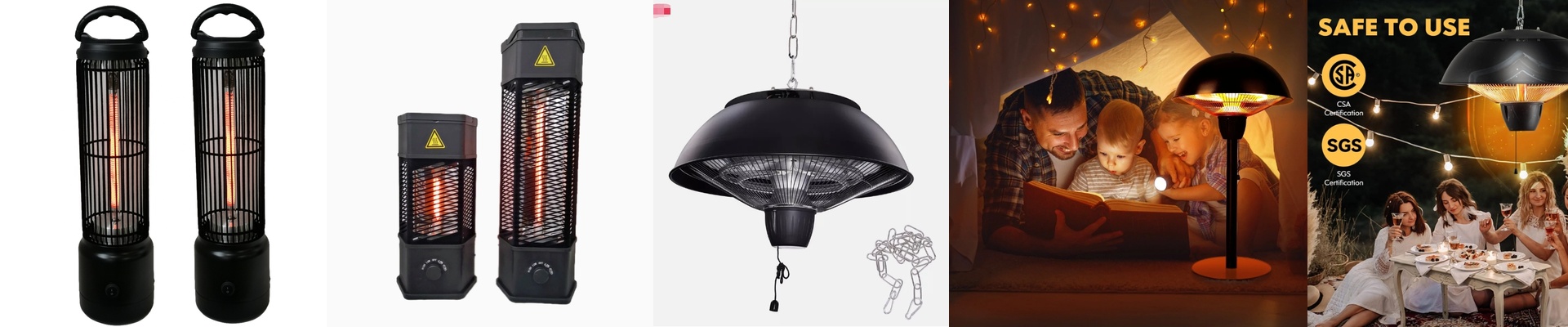
We built this infrared heater around a voltage-compensation circuit that keeps an eye on line conditions and adjusts power on the fly. When supply jumps, the circuit soaks up the extra; when it drops, the system holds output steady instead of yanking current in surges. The payoff is a stable element temperature, even when the grid is being fickle. Inside, you’ve got a quartz infrared tube—chosen for fast response and even radiant warmth. No fan, so it runs quiet and doesn’t kick up dust. The heat lands on objects and surfaces first, not just the air. For safety, it includes tip-over protection and an auto shut-off if internal temps climb beyond the limit.
Why this matters in a nursery
In a nursery, the target is steady comfort. The compensation circuit keeps tube temperature consistent, so the room doesn’t swing between too hot and too cool. That stability is what helps babies settle and keeps nighttime interruptions down. By sidestepping repeated thermal shocks from voltage spikes, components last longer. In testing, units ran through thousands of voltage cycles with minimal output drift. That translates to fewer replacements and more predictable performance over time.
What to keep in mind
Plug it into a dedicated outlet on a modern circuit for best performance. Older wiring can still pass voltage fluctuations, and in some homes, a whole-home surge protector is a smart add-on. This unit is for indoor use—keep it away from water and never cover the radiant element. Give yourself at least three feet of clearance from bedding, cribs, and curtains, and use the built-in thermostat to hold a consistent setting. With placement done right, you get infrared warmth that feels steady, reassuring, and quietly dependable.