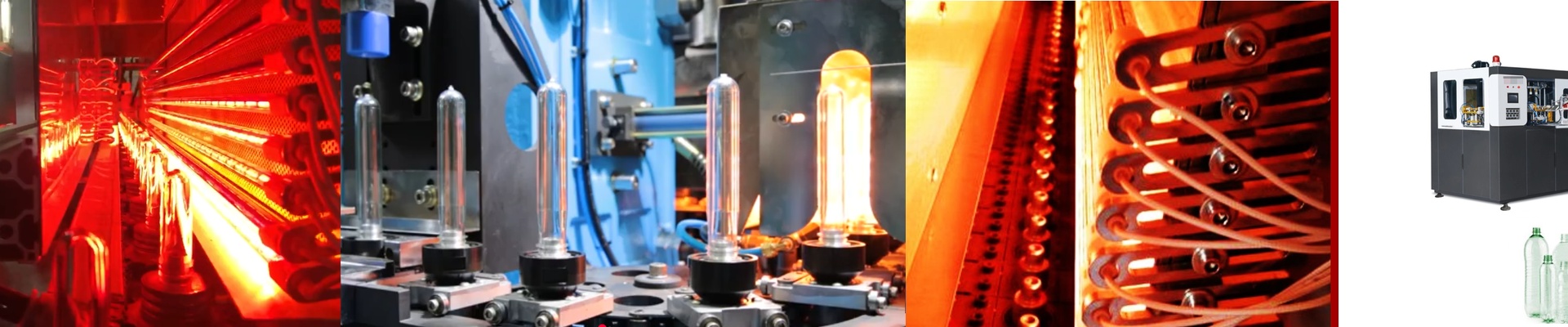
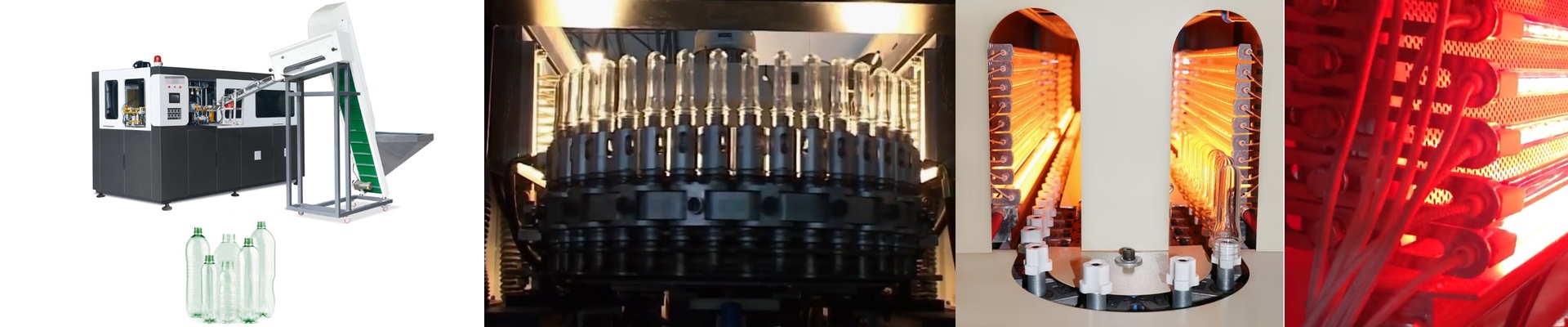
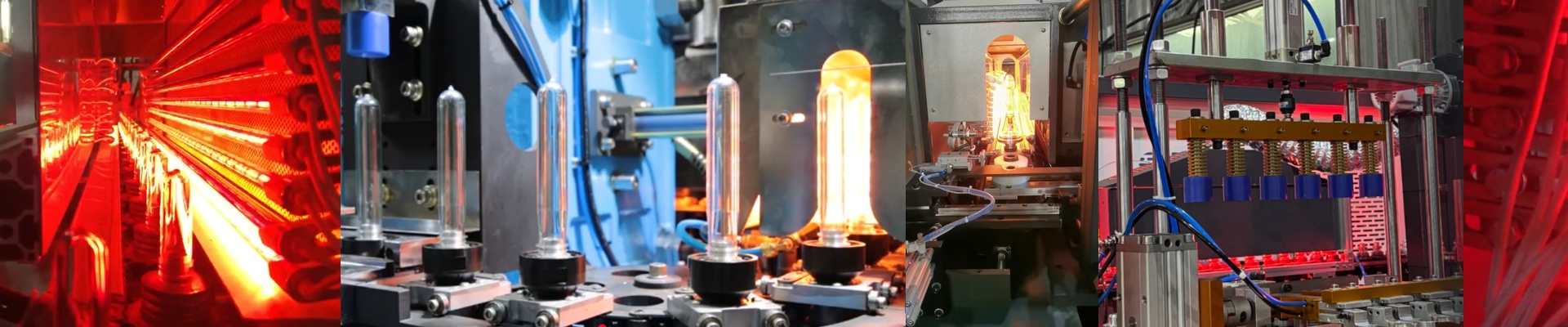
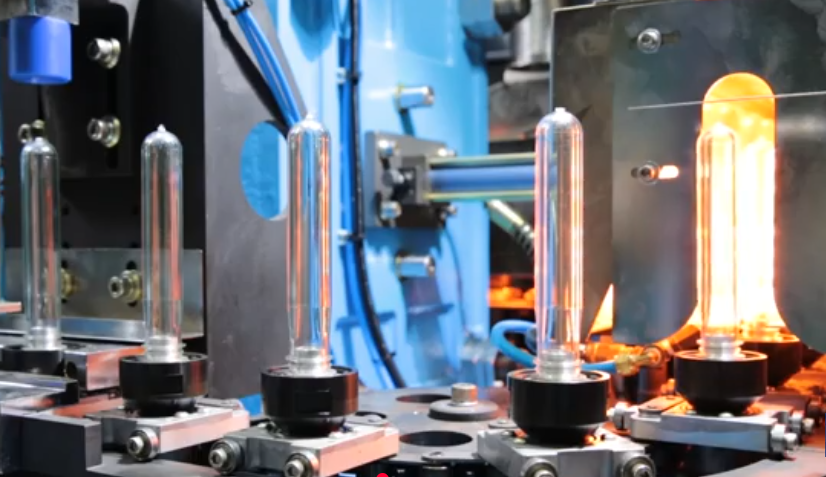
On the floor, the SIPA SFR 6 runs to its own beat. But when preform heating starts drifting, the blow station struggles to keep up—light bottles, short shots, and resin going straight into the scrap bin. The heating tunnel is where the whole process either stays honest or falls apart. What matters under the hood The SIPA SFR 6 infrared lamp bulb is built around short-wave quartz infrared emitters, chosen for quick response and repeatable output. You’re looking at 2400–3000 W, matched to the machine’s voltage and heating zone layout. The R7s base and standard length are meant to drop straight into the existing lamp holders and reflectors—no mods to the heating tunnel. In practice, that translates to faster warm-up, stable temperature across the preform wall, and less cycle-to-cycle drift. Why this matters in stretch blow molding The preform surface temperature window is tight. When the infrared output is properly matched to the SFR 6, you get even heating across the neck and body, so the stretch ratio stays consistent. That means fewer rejects, more predictable bottle weight, and a line speed you can actually plan around. Energy use comes down because the emitter heats on demand and holds set point without overshooting. Lamp life stretches compared to weaker options, so you spend less time on changeovers and more time making good bottles. The details that keep it honest Installation is straightforward, but alignment is where people get tripped up. Even a slight mis-seat in the R7s socket can create uneven heating and shorten lamp life. Keep the reflectors clean, and keep an eye on heating tunnel airflow—too much draft and the temperature profile goes sideways. And match the bulb to the exact SIPA SFR 6 configuration. Swapping in a non-matched emitter changes the thermal profile and bites into bottle quality. Treat the details right, and the lamp does its job.
על רצפת הייצור, ה-SIPA SFR 6 פועל בקצב משלו. אך כאשר החימום של הפרפורם מתחיל לסטות, תחנת הנשיפה מתקשה לעמוד בקצב — בקבוקים קלים, מנות קצרות, ושרף שנזרם ישר לפח הפסולת. מנהרת החימום היא המקום שבו כל התהליך נשאר יציב או מתפרק.
מה שחשוב מתחת למכסה המנוע
נורת הלד האינפרא-אדום של ה-SIPA SFR 6 בנויה סביב מקריני אינפרא-אדום קוורץ קצרי גל, שנבחרו לתגובה מהירה ופלט יציב וחוזר. מדובר בהספק של 2400–3000 W, מותאם למתח המכונה ולפריסת אזורי החימום. בסיס R7s והאורך הסטנדרטי מיועדים להתקנה ישירה לתושבות ונצמדים קיימים — ללא צורך בשינויים במנהרת החימום. בפועל, זה מתבטא בחימום מהיר יותר, טמפרטורה יציבה לאורך דפנות הפרפורם, ופחות סטייה בין מחזורים.
מדוע זה חשוב בתהליך התפיחה במתיחה
חלון הטמפרטורה פני הפרפורם צר מאוד. כאשר פלט האינפרא-אדום מותאם כראוי ל-SFR 6, מתקבל חימום אחיד בצוואר ובגוף, כך שמידת המתיחה נשמרת קבועה. משמעות הדבר היא פחות פסילות, משקל בקבוק צפוי יותר, ומהירות קו שניתן לתכנן בפועל בהתאם. צריכת האנרגיה יורדת מכיוון שהמפיץ מחמם לפי דרישה ושומר על נקודת ההגדרה ללא חריגה. אורך חיי הנורה מתארך לעומת אפשרויות חלשות יותר, וכך מבלים פחות זמן בהחלפות ויותר זמן בייצור בקבוקים תקינים.
הפרטים ששומרים על יציבות
ההתקנה פשוטה, אך יישור הוא המקום שבו נתקלים בבעיות. אפילו מיקום קל לא מדויק בתושבת R7s עלול ליצור חימום לא אחיד ולקצר את אורך חיי הנורה. יש לשמור על ניקיון הרפלקטורים ולפקח על זרימת האוויר במנהרת החימום — טיוטה מוגזמת תשבש את פרופיל הטמפרטורה. יש להתאים את הנורה לתצורת ה-SIPA SFR 6 המדויקת. החלפת מפיץ שאינו תואם משנה את הפרופיל התרמי ופוגעת באיכות הבקבוק. טיפול נכון בפרטים מבטיח שהנורה תבצע את תפקידה.