



Getting Quartz Infrared Tubes to Actually Work in Your Bakery Line
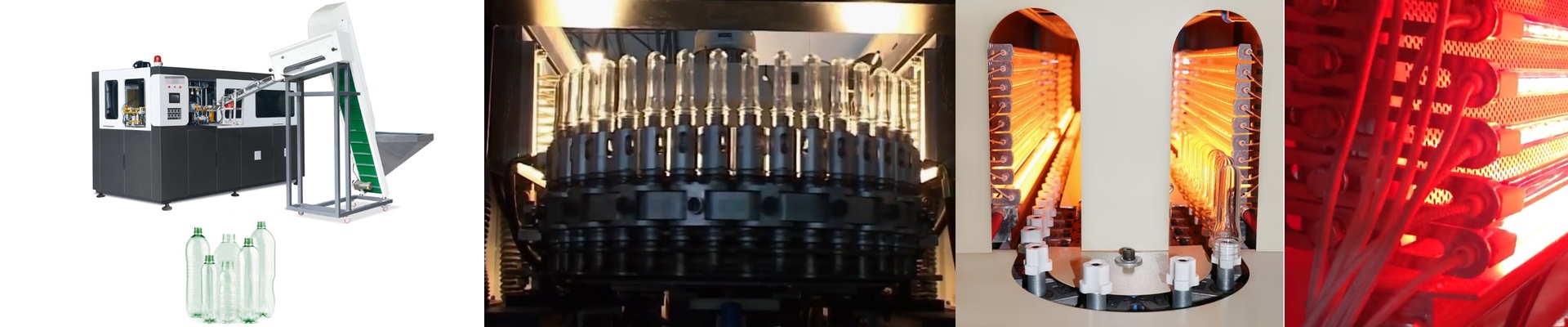
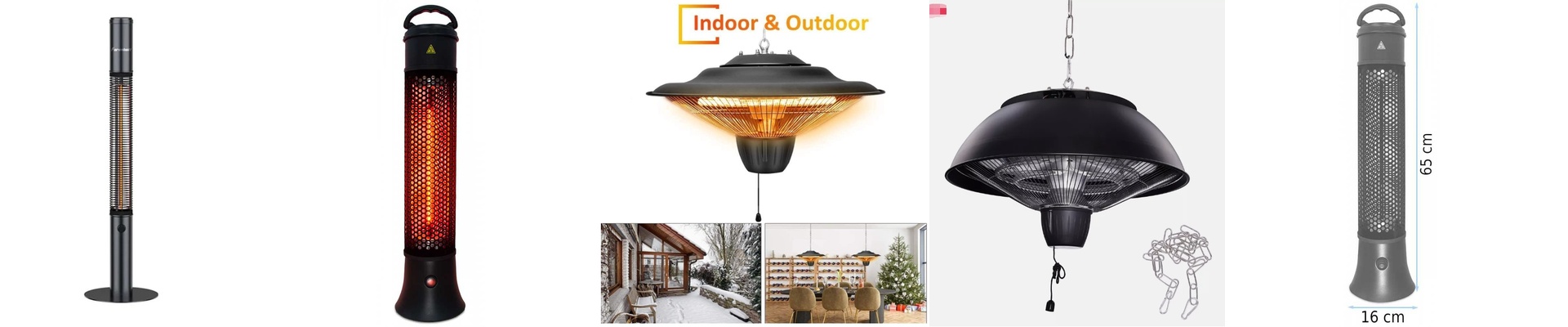
If you’ve ever run an automated kitchen, you know the frustration of waiting on your ovens. Standard convection heating is slow. It takes forever to ramp up, and by the time the air is hot enough, you’ve already lost your rhythm. That’s why we use quartz infrared tubes. They provide direct radiant heat. Instead of waiting for air to swirl around, the heat hits the product immediately. Your control system can tweak the temperature in real-time, and the oven actually listens. The hardware side of things To make this work, we pair the tubes with PID controllers and SSRs. Because of that quartz envelope, the filament hits its operating temperature almost instantly. Here’s the best part: when your PLC tells the system to dial it back, the heat drops right away. No more fighting with “residual heat” that burns your crusts to a crisp while the centers are still raw. The nitty-gritty on specs We stick with high-purity quartz glass because it lets the IR transmission through without any interference. We usually spec these for high wattage over short lengths to get that intense heat density you need for a fast line. You can customize the length and voltage to fit your specific oven, but a word of caution: if you push for maximum wattage to speed up production, the tube ends are going to take a beating. Make sure your housing has enough clearance. If the quartz gets shocked thermally, it’ll crack. Simple as that. Keeping it simple for the crew Nobody wants to spend three hours rewiring a rack just because one tube burned out. We use standard plug-and-play connectors. Your floor techs can just swap them out and get the line moving again without needing a degree in electrical engineering. The trade-offs you should know about Now, infrared is fast, but it’s directional. That’s the catch. If your bread or pastry isn’t sitting exactly right under the tube, you’re going to get hot spots. You have to be really careful with your reflector angles to spread that heat evenly across the tray. If those reflectors are off, you’ll get uneven browning. It doesn’t matter how expensive your PID controller is—if the mirror is crooked, the bake will be too.