



Getting Your Oven Up to Temp in Seconds
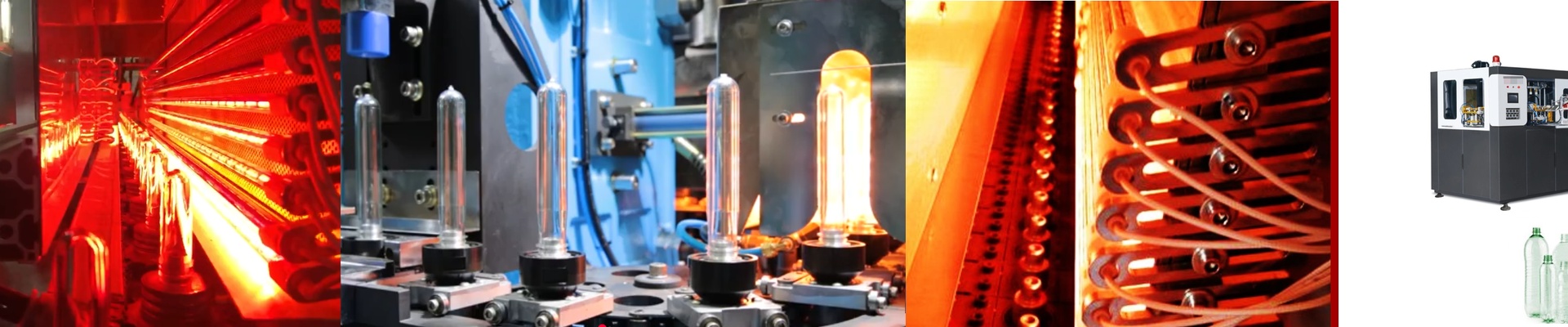
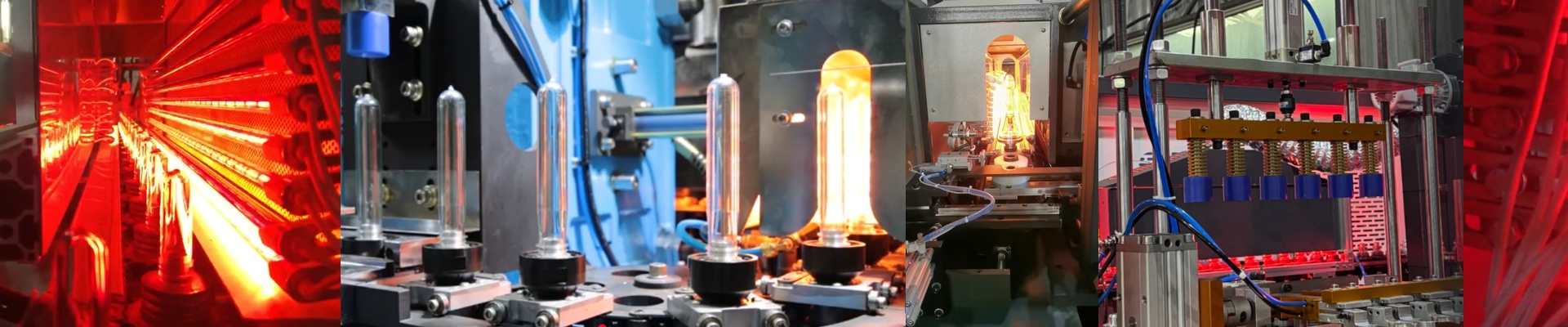
Most convection ovens are slow. Why? Because they rely on air to move heat around, and let’s be honest—air is terrible at that. If you’re trying to hit 300°C in a matter of seconds, you can’t wait for the air to warm up. That’s where clear quartz infrared (IR) heaters come in. Instead of heating the air, these elements blast energy directly into your food or material. It’s a total shortcut. The secret is in the glass. We use clear quartz tubing because it doesn’t get in the way. Some tubes have coatings that bounce heat back toward the filament to protect it, but clear quartz just lets the energy fly straight through. The moment you flip the switch, the tungsten filament hits its peak. You aren’t waiting for a metal wall to get hot or for a fan to push warm air around. You’re hitting the target with photons. It’s practically instant. Getting the hardware right To get that “snap” response, you have to be picky about your wattage-to-length ratio. If the wattage is too low, you lose that immediate punch. I always recommend pairing these with high-temperature ceramic sockets. These things put out an intense amount of radiant heat, and you don’t want your housing melting into a puddle. Also, keep an eye on your wiring. If your gauge isn’t beefy enough to handle that initial surge of current, you’ll see a dip in performance right when you need it most. The trade-offs Now, this isn’t a “set it and forget it” kind of setup. Because IR is so fast, the window between “perfectly browned” and “completely charred” is tiny. You’ll need a fast-acting PID controller or a very precise timer to kill the power before things overshoot. One last thing: quartz is fragile. If your oven vibrates or you crank the mounting brackets too tight, the tubes will snap. Give them some breathing room to expand as they heat up.