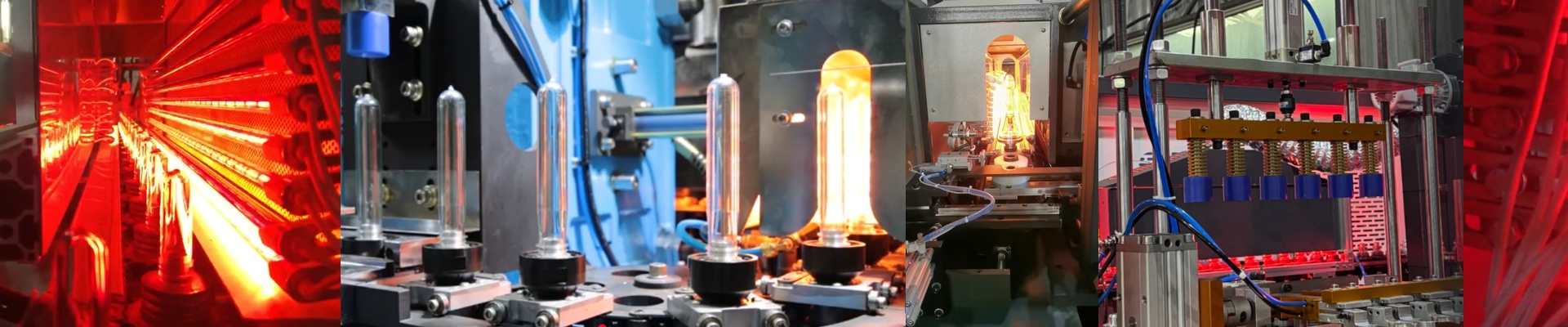
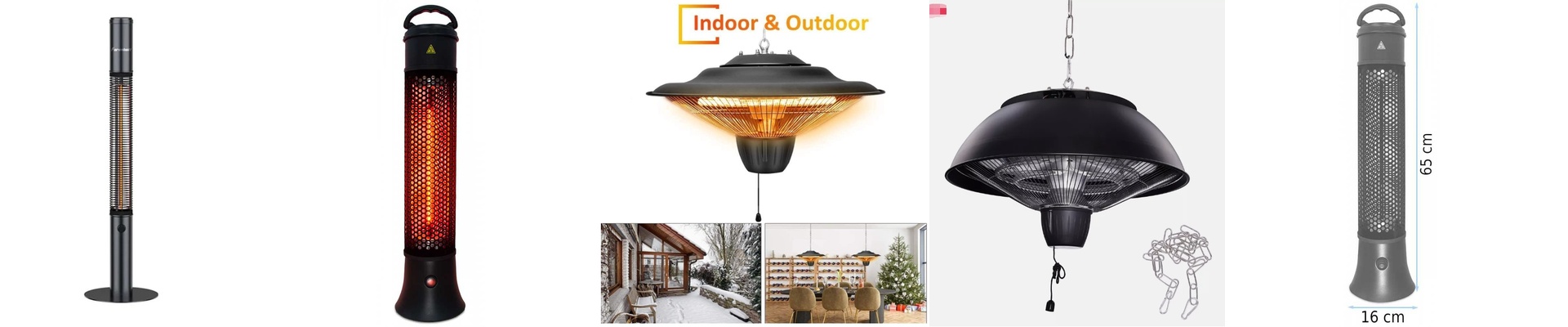
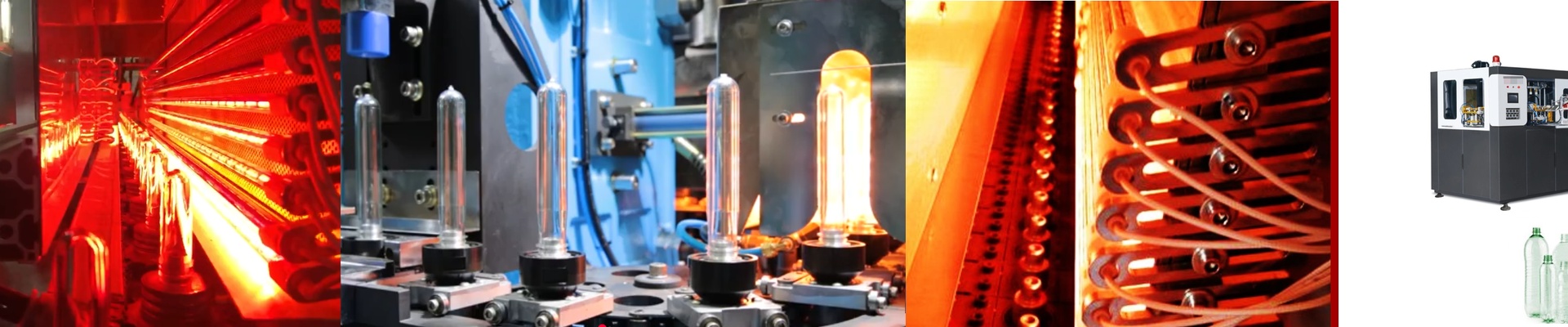
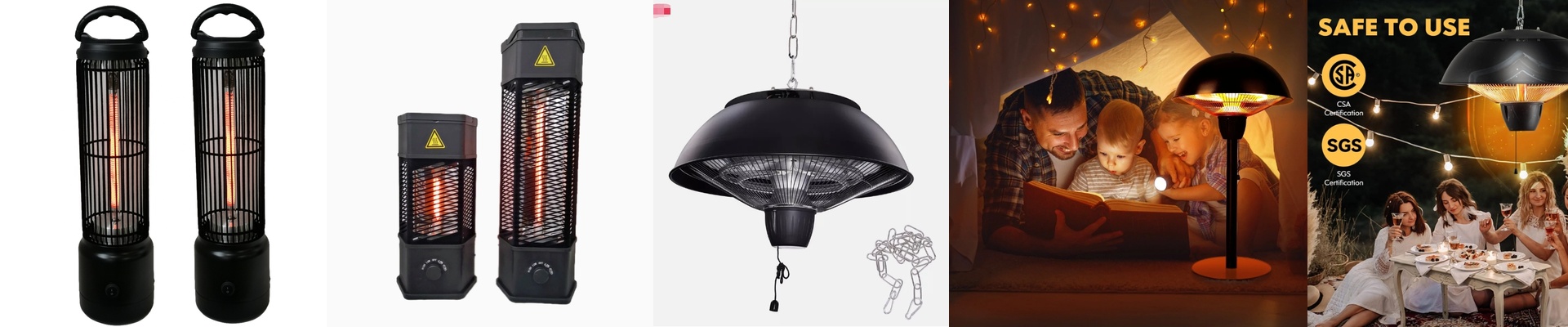
Why Our Infrared Heaters Still Keep You Cozy After They Turn Off
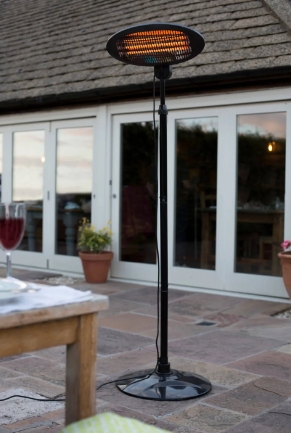
We built these industrial infrared heaters for one clear purpose: to throw focused heat exactly where you need it, then let the room itself take over. So why does the warmth stick around after the heater shuts down? It all comes down to how radiant heat and thermal mass play together.
The Power Behind the Warmth
We engineer these heaters to pack a serious punch in a small footprint. The goal is simple: match the heat to the space without pushing your electrical system too hard. They run on standard industrial voltage and deliver a steady kilowatt output. That means you get consistent surface temperature and radiant power, shift after shift. But the real magic isn’t about running hotter. It’s about running smarter. We dial in the wattage and filament design so the heat spectrum is tuned for the things in the room—concrete, metal, equipment, floors. Those surfaces soak up the energy and become a natural heat battery. When the heater turns off, that stored warmth slowly radiates back out, keeping the temperature from crashing.
The Pieces That Make It Work
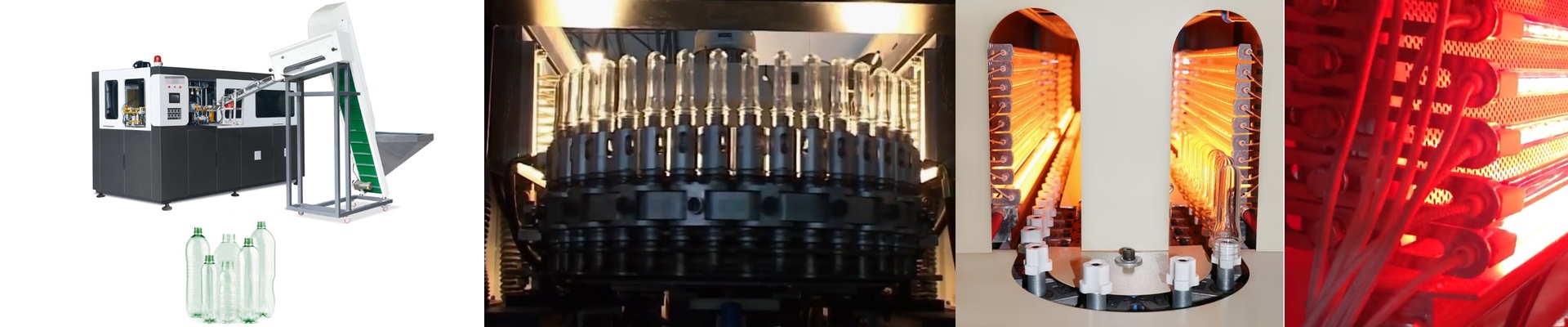
We use halogen-filled quartz tubes because they can handle the intense filament heat and keep output steady over time. The halogen cycle keeps the inside of the tube clean, so you don’t get blackening or fading performance. And the quartz itself is tough—it takes the heat cycles without cracking. And that R7s connector? It’s not just an afterthought. It locks in a solid connection at both ends, built for high current and repeated on-off cycles. You wire it up quickly, and it stays tight. For you, that means fewer checks for hot spots, less downtime, and a replacement that drops right in.
What It Feels Like on the Floor
In real life, this setup gives you fast, directional heat with almost no warm-up lag. The radiant energy hits targets and surfaces directly, not just the air. And when the heater shuts off, the thermal mass keeps releasing warmth, smoothing out temperature swings and preventing those sudden energy spikes. Now, there is one trade-off. Because the heat density is high, you need a solid control plan and proper cooling. If you run the heater at full output for long stretches, the surrounding equipment and ventilation have to handle the extra ambient heat. Plan your airflow and clearances up front, and the system delivers steady comfort with predictable energy use.