


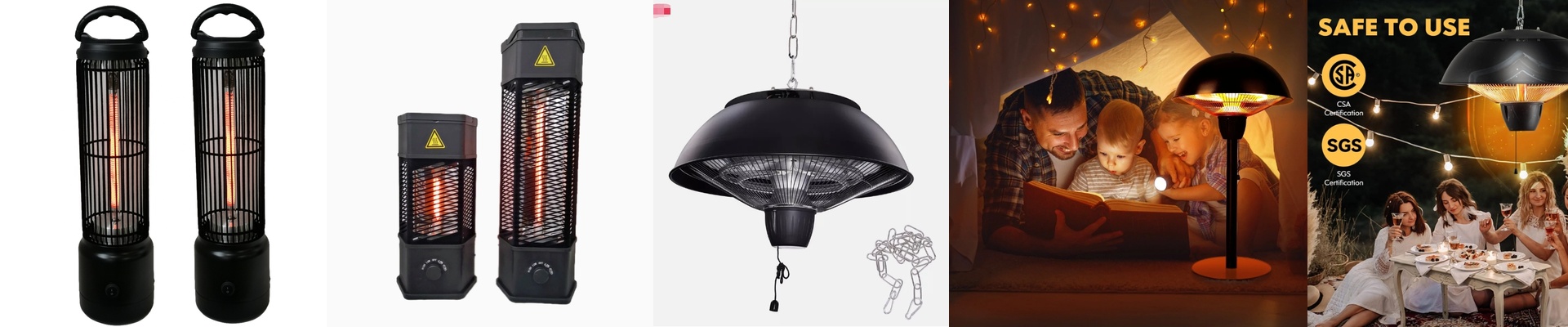
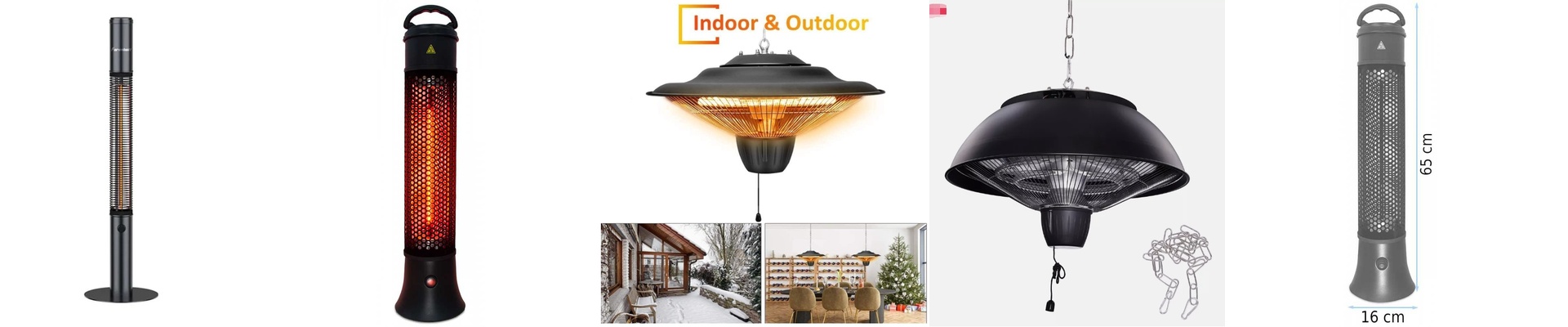

Winter turns a quiet patio into a test of will. The air bites, hands stiffen, and the conversation dies the moment you step outside. When the chill settles in your extremities, it isn’t just discomfort. Your body tightens, circulation slows, and the evening cuts itself short. An electric patio heater changes that. It doesn’t try to heat the whole sky. It sends warmth right where you feel it.
What matters, technically
An electric patio heater built for outdoors runs on radiant heat, usually from a quartz tube or a carbon fiber element. These emit infrared warmth that travels in straight lines, warming people and objects directly instead of pushing air around. The payoff is immediate: you feel heat on your skin within seconds, even when the surrounding air stays cold. In the real world, the spec you care about is the IP rating. A waterproof electric patio heater rated IP55 or higher is built to handle rain, spray, and dust, so you can run it through damp evenings without panicking about a sudden shower. Most units plug into a standard outlet, draw between 1,500 and 2,000 watts, and sit compactly on a deck or patio table. Many include a thermostat for steady comfort and tip-over protection for safety.
Why this approach works out there
Cold hands and feet are often a circulation problem. When temperatures drop, the body restricts blood flow to the extremities to protect the core, and that’s when tingling, stiffness, and a deep chill set in. Infrared radiant heat helps by warming surface tissues and supporting microcirculation, so warmth returns without the harsh blast of forced air. On the patio, that means the conversation keeps going, plates stay warm longer, and the evening feels longer because your body isn’t fighting the cold. Because the heat is directional, you don’t need to heat the whole yard—just the seating area. That focus keeps energy use reasonable while delivering comfort where it matters.
What you need to know
Placement makes the difference. Infrared warmth works best when the heater faces the seating area at a moderate height, with a clear line of sight. Keep it away from flammable materials and use a grounded outlet with a cord rated for outdoor use. Even with a high IP rating, no outdoor electric heater is meant for submersion or heavy downpours—cover or store it during severe storms. Choose a waterproof electric patio heater with a stable base and a protective grill, and you get dependable outdoor warmth that helps your hands and feet feel alive again. Winter nights can still be time outdoors, not time waiting inside.