
Stop Wasting Money on Scissor Lifts
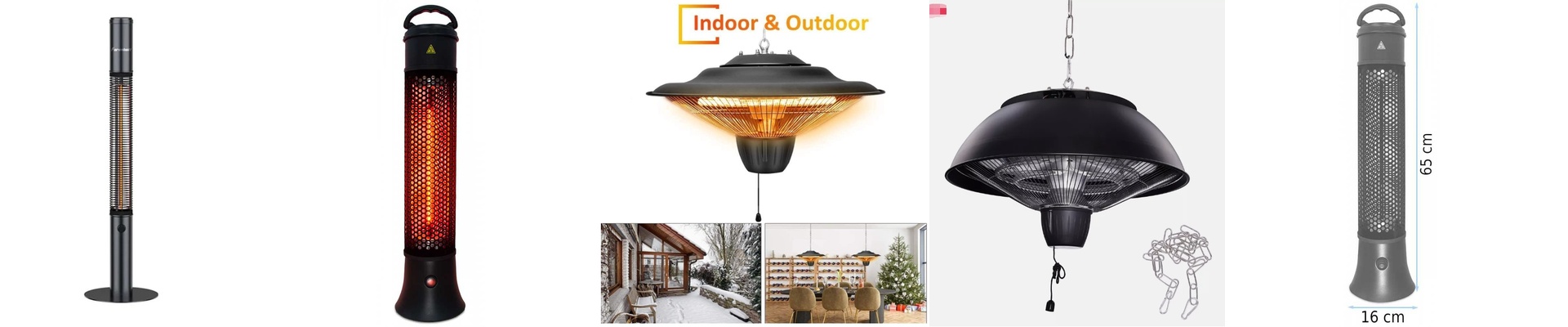
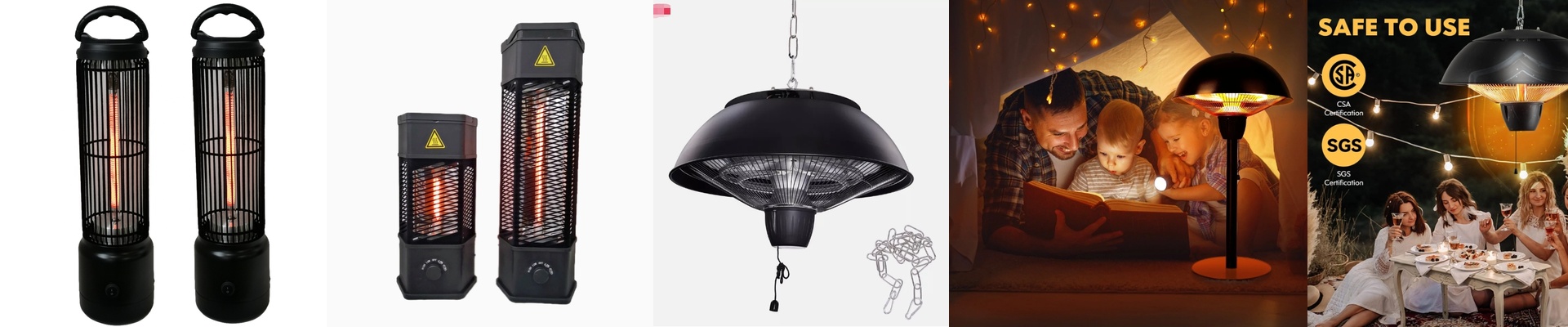
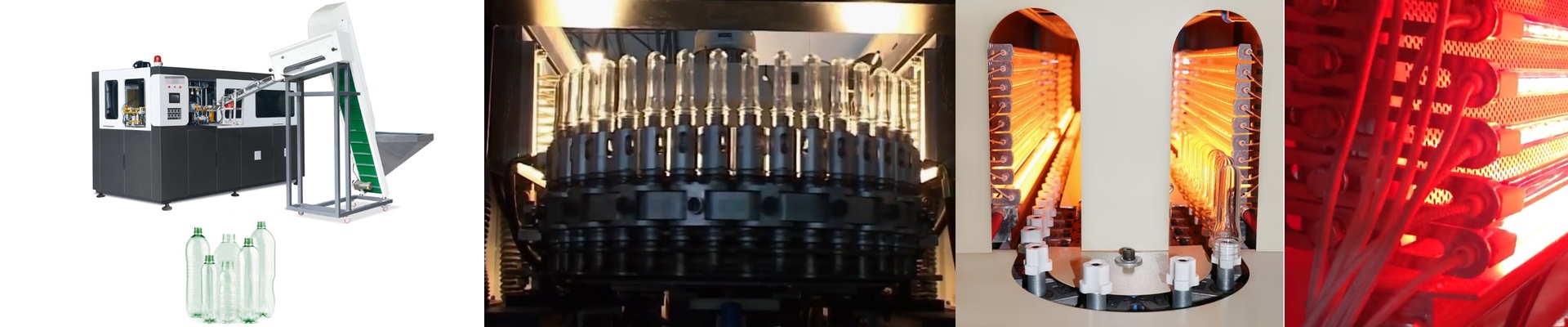
Let’s be honest: when you’ve got heaters mounted on a high ceiling, the last thing you want to do is rent a lift every few weeks just to swap out a dead element. By the time you pay for the equipment and the labor, your ROI is basically gone. That’s why we build our infrared radiators to actually survive a factory floor. We focus on the stuff that usually kills these machines—like fog and splashes—so you can just leave them alone and let them do their job.
Why moisture is a nightmare
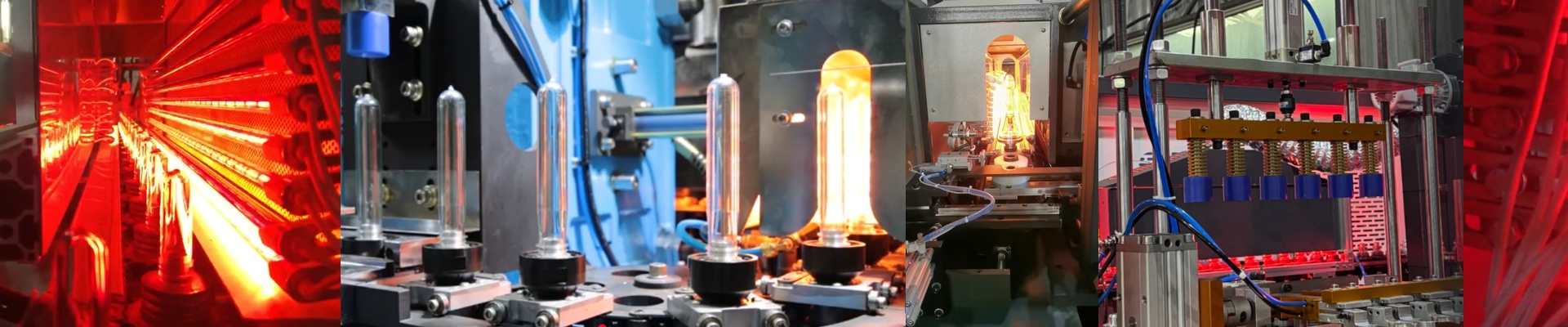
Here is the thing about factories: temperature swings are constant. That leads to condensation. Imagine a quartz tube hitting 600°C while it’s covered in a fine mist. That thermal shock is brutal. It’s usually what causes the glass to crack. To stop that “pop,” we use a specialized anti-fog coating and a sealed housing. It keeps the dew point under control and keeps the glass intact.
Dealing with the grit
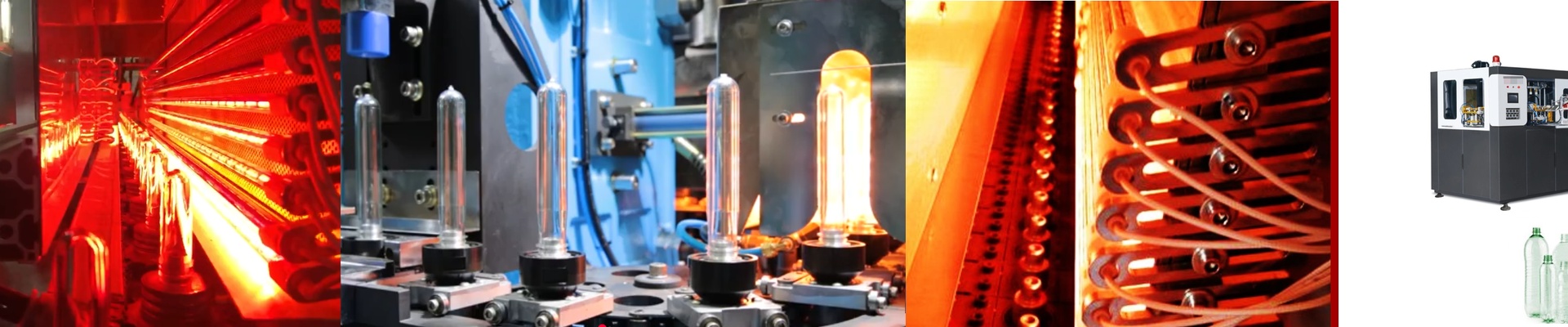
Dust and coolant spray are the real killers here. One unlucky splash of conductive fluid on a live terminal and—boom—you’ve got a short circuit. We don’t take chances with that. We use reinforced gaskets and sealed cable entries to keep the guts of the heater bone-dry. It means your electrical connections stay isolated from the chaos of the shop. You get a heater that can take a beating from airborne grime without tripping your breaker every other Tuesday.
The honest trade-off
Now, I’ll be straight with you. Adding shields and seals does create a small barrier. You lose a tiny bit of raw heat compared to a wide-open tube. But it’s a trade worth making. Sure, an open tube might feel 5% more powerful on day one. But if your shop is humid or full of oil mist, that tube is going to burn out in six months. We’d rather give you something that lasts for years than something that hits a peak number for a few weeks and then dies. It’s about keeping your downtime low and your sanity high.